

Spot the problem fast
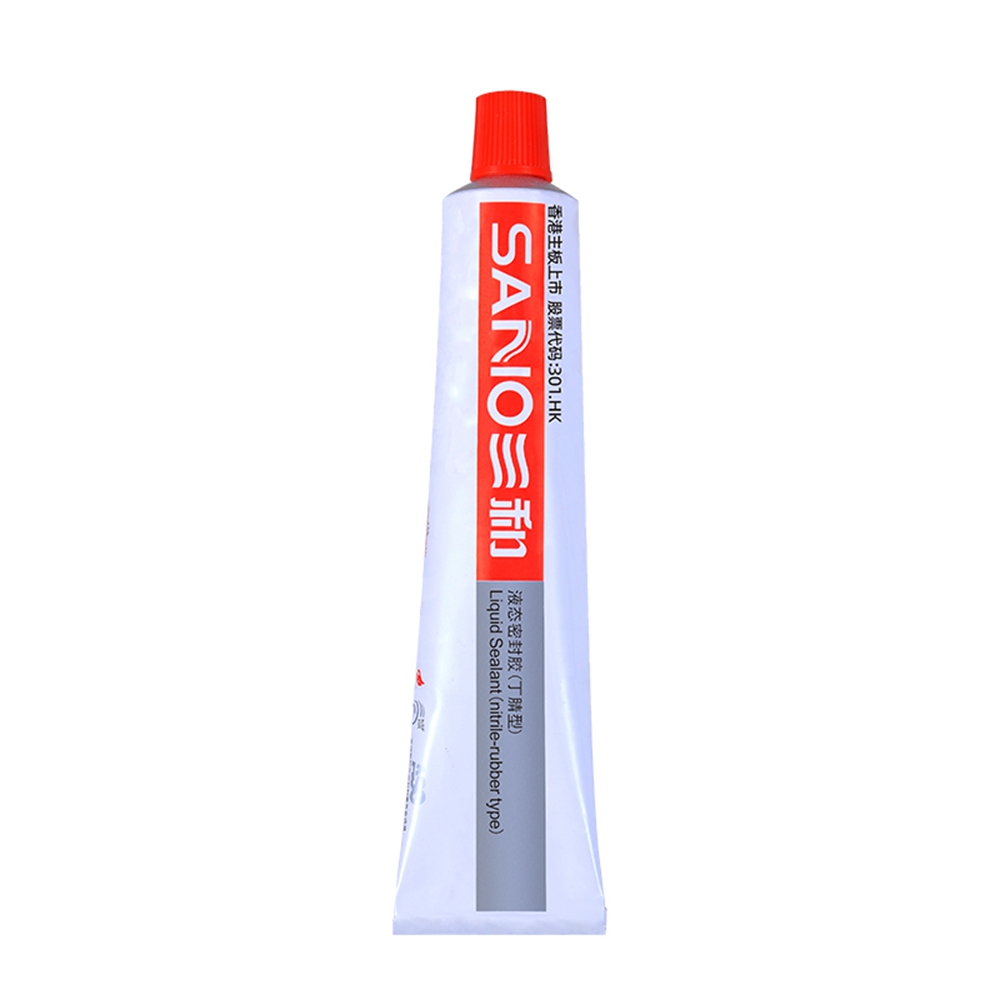
Machines stick, bearings overheat, and production slows. Identify the exact failure: is it wear, high temperature, contamination, or poor adhesion? Match the fix, not the brand. For sealing gaps or stopping leaks before lubrication, consider a trusted liquid sealant to stabilize the substrate first.

Prioritize the performance targets
Set three measurable goals: reduce friction, extend re-lubrication interval, and prevent contamination. Write target service temperatures, load class (light/medium/heavy), and desired spray interval. Short bullets work: temp range, expected rpm, exposure to water or chemicals, and acceptable downtime for reapply.
Key technical checks—no fluff
Pick based on base oil (mineral, synthetic), viscosity, additive package (EP, anti-wear, anti-corrosion), and spray carrier (propellant vs. solvent). Confirm compatibility with seals, paints, and plastics. Check temperature limits and residue behavior—dry film or oily film. If you need a thin penetrating film for tight fits, choose low-viscosity spray; for load-bearing contacts, choose EP additives and a higher film strength.
Application method and acceptance testing
Decide aerosol for spot work, bulk spray for line maintenance, or automatic dispensers for repeatability. Run a short field trial: apply on two identical units, monitor vibration, temperature, and lubricant consumption over one shift cycle. Record before-and-after torque or bearing temperature. If results don’t improve in one cycle, change product or application method immediately.
Common mistakes that cripple results
Don’t chase a single SKU for all tasks. Don’t skip substrate prep—grease and dirt block adhesion. Don’t ignore VOC and hazardous-air limits if you spray indoors. Avoid mixing incompatible chemistries on the same surface. Replacing frequent short fixes with the right product prevents repeat downtime.
Alternatives and complementary options
If a spray can’t meet load or contamination needs, switch to a greased cartridge or a high-viscosity pumpable lubricant. For sealing adjacent seams or stopping active leaks while you lubricate, a liquid rubber sealant used in field repairs can be the quickest stabilizer; crews repairing storm-damaged roofs along the hurricane-prone Gulf Coast often rely on such solutions for rapid sealing. Read product datasheets, lab reports, and field studies when you compare options: the repair should fit the load, environment, and safety rules.
Experience, authority, and practical trust
Specify from datasheets and tested outcomes, not just marketing. Check third-party lab results for wear-scar, four-ball EP, and oxidation stability. Consult maintenance logs and vendor service notes for real uptime gains. Reliable specifications come from measured improvements and repeatable application methods. When you need a product family that covers lubricant sprays and sealing solutions together, consider suppliers with full technical datasheets and documented field case studies; that practical depth is why teams put faith in consolidated product lines like liquid rubber sealant.
Finish strong—deliver the specification
Write the spec to include target metrics, test method, application frequency, and acceptance criteria. Assign one owner for trials and one for sign-off. Keep records and tighten the spec after the first successful cycle. The right product choice, measured testing, and a supplier you can rely on turn a maintenance request into reliable uptime—trust built from real solutions such as those offered by SANVO.