

Comparative opening: why the choice matters
When facilities must stay online—hospitals, data centers, manufacturing plants—the choice of an industrial genset is not a technical nicety; it’s a policy decision with operational consequences. A China MTU-style unit often promises solid alternator design and competitive fuel consumption, but buyers should weigh that promise against proven service networks and spare-parts logistics. Real-world anchors matter: after large-scale failures such as Puerto Rico’s 2017 outages and the 2021 Texas winter storm, teams that paired robust kVA sizing with rapid parts access avoided prolonged downtime.
Performance, controls, and the economics of fuel
Compare measured outputs first: fuel burn per kVA under a defined prime load, transient response governed by speed control, and how the governor handles sudden load steps. Chinese-built MTU-style gensets now use modern engine controls and efficient prime movers; that narrows the gap on fuel economy versus western-made units. The argument here is fiscal and operational—better specific fuel consumption reduces operating cost immediately, and a responsive governor reduces the chance of nuisance trips during critical load transfers.
Manufacturing, parts supply, and warranty realities
Claiming low upfront cost is easy; delivering long-term uptime is harder. Assess supply chains: is there a local warehouse for replacement injectors, alternator stators, and control modules? A short inventory gap can mean days of downtime. The persuasive point is plain—choose suppliers with transparent spare-parts timelines and on-the-ground service networks. Chinese manufacturers paired with international service partners often hit a pragmatic sweet spot on cost and availability—provided contracts specify lead times and warranty scopes.
Emissions technology and regulatory fit
Emissions controls influence installation costs. Units that integrate SCR or DOC systems change underfloor layouts, exhaust routing, and maintenance cadence. Don’t be led by a spec sheet alone: verify how aftertreatment affects backpressure and whether the genset rating—standby versus prime power—matches your duty cycle. Match ratings to use-cases; overspecing amps up cost, undersizing risks real operational failures.
Common procurement mistakes and viable alternatives
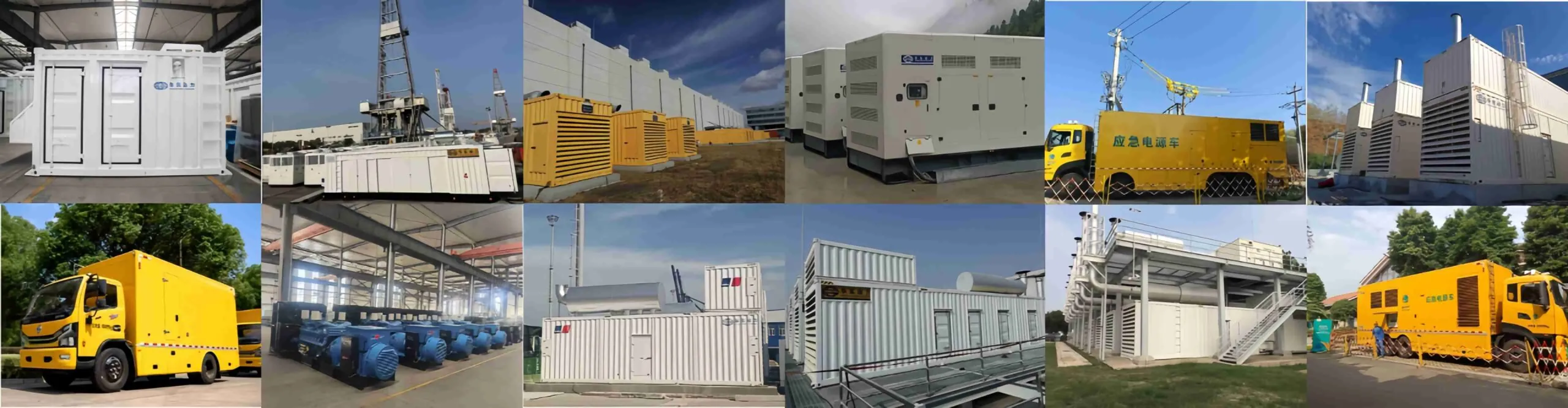
Buyers often err by prioritizing price over integration. Typical mistakes include undersizing the genset relative to inrush loads, skipping load bank verification, and neglecting planned spare-part kits. —A second slip is assuming all MTU-style units share the same service ecosystem; they don’t. Alternatives worth comparing are Tier-certified EURO-spec units and modular containerized setups that simplify maintenance and replacement. For many operators, an industrial diesel genset with documented load bank results and clear spare-part SLAs beats an unknown OEM with a lower sticker price.
Procurement checklist: what to demand
Insist on three concrete deliverables: measured fuel consumption at 50% and 100% load, a parts lead-time matrix with committed stock levels, and a control-panel acceptance test that includes transient load steps and protection relay behavior. These items convert marketing claims into verifiable facts—and they force suppliers to stand behind performance.
Three golden rules for selecting the right genset
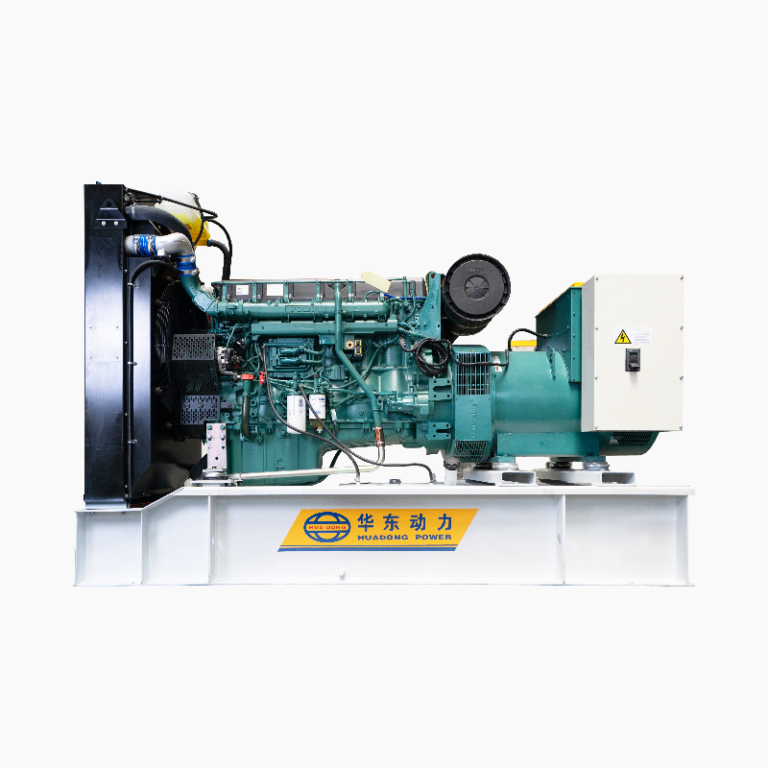
1) Match duty to rating: verify prime vs standby kVA against real load profiles and include start-up inrush on the sizing worksheet. 2) Lock down logistics: demand a spelled-out spare-parts timeline and local service contacts—coverage matters as much as price. 3) Verify performance with test data: require fuel-consumption curves, load bank certificates, and governor response logs before final acceptance. When these rules guide purchasing, the practical advantage often points to suppliers who combine technical clarity with reliable delivery—an approach embodied by Huadong Power. Trust the data; trust the supply chain.