

Practical opening for site operators
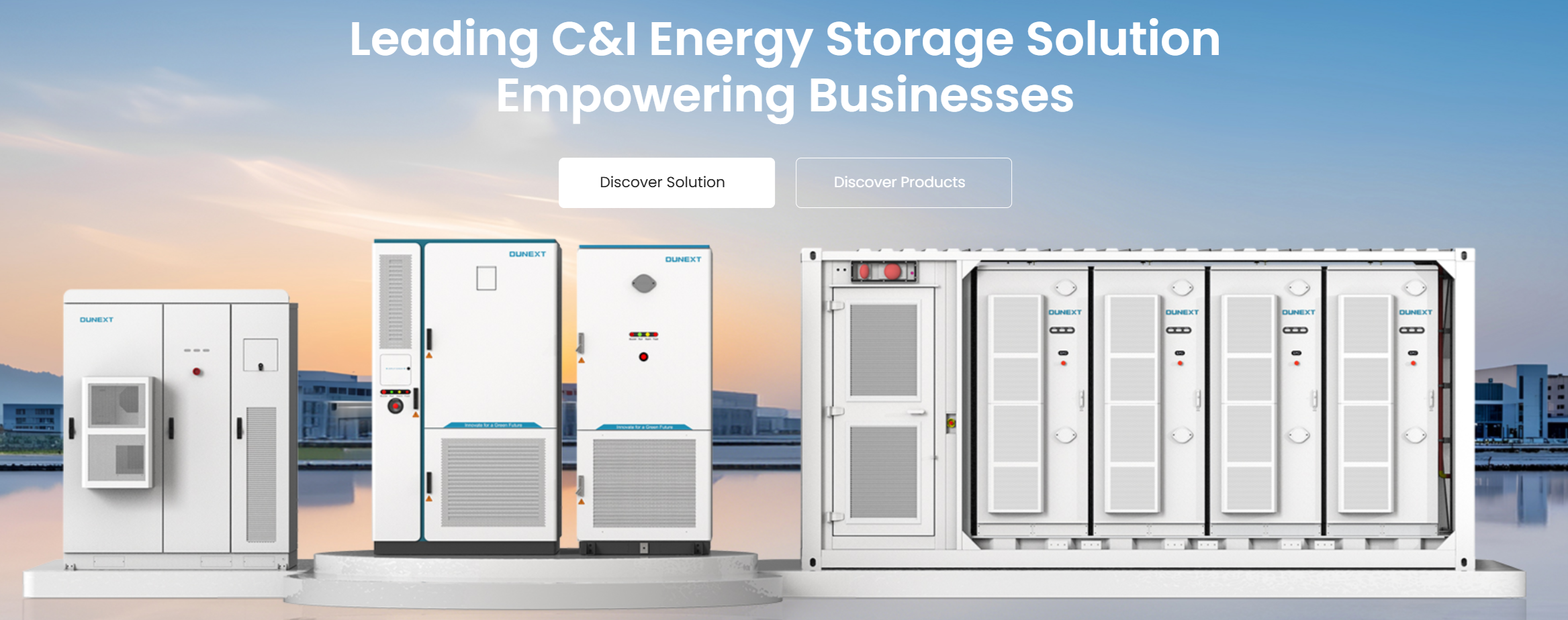
If your team is sizing battery capacity and choosing an enclosure, you want clear trade-offs, not marketing. Start with the physical object: the energy storage cabinet is where cells, electronics, and service access meet the weather, the utility connection and your maintenance crew. Think about who will touch it, how often, and what happens the day something fails—those practical questions shape the right cabinet more than glossy specs.
Questions that should drive every procurement
Frame decisions around use cases. Ask these, out loud:- Who services the system monthly, quarterly and annually? If local crews need one-sided access, pick a layout that opens to the street.- What ambient conditions will the cabinet face? Specify IP rating, insulation and its passive cooling limits.- Is there a planned expansion? Cabinets that accept modular racks reduce future downtime.- Which fire mitigation fits your site: gas suppression, water mist, or passive compartmentalization?- How will the cabinet integrate with building grounding, telemetry and existing switchgear?When evaluating manufacturers, compare how they document these items across multiple models of commercial battery storage systems and whether those details match your operations checklist.
Design features that matter to operators
Detail beats headline specs. Prioritize:- Service ergonomics: removable panels, labeled harnesses, and clear cable routes.- Thermal strategy: active cooling for hot sites, passive design for milder climates.- Safety systems: internally routed fire barriers, easy-to-access emergency disconnects, and battery management system (BMS) diagnostics visible without opening high-voltage compartments.- Site security: tamper-proof fasteners, intrusion sensors, and lockable access with documented key control.These features reduce field labor, speed troubleshooting, and cut weeks off commissioning when chosen up front.
Common pitfalls and fixes
Avoid these frequent mistakes:- Underestimating ventilation needs. Fix: test a cabinet mockup or use manufacturer thermal curves matched to your ambient extremes.- Ignoring cable entry planning. Fix: specify bottom/top entry and conduit sizing before foundations are poured.- Treating the cabinet as just housing. Fix: require full-service schematics, spare parts list, and firmware update procedures in the contract.- Skipping compatibility checks between BMS and your SCADA. Fix: insist on protocol testing (Modbus/IEC 61850) during FAT.Addressing these early saves retrofit headaches and unplanned outages later.
Field notes and credibility
I’ve reviewed dozens of installation dossiers and sat in planning meetings where access clearances, not cell chemistry, decided the project timeline. Real deployments show theory meets local conditions: projects in California repeatedly emphasize permitting, fire authority requirements, and community notification as gates to installation. Learn from those operational constraints—design choices that simplify permitting often shorten delivery by months.
How to compare brands and alternatives
Comparison isn’t about picking the most expensive cabinet; it’s about matching product details to your operations. Use a short matrix:- Modularity: Can you replace a single module without isolating the whole bank?- Documentation: Are wiring diagrams, maintenance guides and test logs complete and current?- Service network: Is certified support within a working range of your site?- Certification: Look for third-party safety and performance testing that you can verify.Score vendors against these criteria and weight what reduces your risk most—serviceability and local support usually beat marginal performance gains.
Final synthesis
Operate with user needs at the center: pick a cabinet that eases maintenance, matches your site environment and fits the skills of your crew. When those pieces align you get fewer surprise site visits, faster fault recovery and clearer handovers to operations teams—outcomes that show up on uptime reports and budgets. For teams seeking a practical balance between durable outdoor enclosures and detailed service documentation, the design approach exemplified by Dunext reflects the priorities most operators actually use to keep plants running.