


Why supply-chain audits matter for commercial projects
When manufacturers sell cells directly to project owners, lower procurement cost often causes buyers to accept longer-term guarantees without proof. Because electrochemical cells degrade in predictable patterns under stress, a targeted supply-chain audit converts manufacturer claims into measurable risk. For grid deployments—from microgrids to large projects using utility scale battery storage—this verification prevents unexpected capacity fade and warranty disputes by matching advertised cycle life to actual production performance. Industry terms to track here include cycle life, state of charge (SoC), and capacity fade.

Comparative lens: direct‑factory vs third‑party supply
Direct-factory sourcing causes two outcomes: tighter price control and greater exposure to production variability. Third-party resellers add a buffer—logistics and inspection—but that buffer also raises cost and can hide batch-level problems. Because cell degradation depends on manufacturing consistency, auditors must compare sample-based electrochemical testing against factory-provided test reports. Results that diverge suggest issues in quality control, cell balancing, or thermal design, and they directly affect project-level metrics such as usable energy and system availability.
Audit mechanics: what an effective inspection inspects
An effective audit inspects traceability, test reproducibility, and field telemetry. Start with bill-of-materials and production-batch IDs, because traceability reveals whether capacity fade clusters by lot. Then run accelerated cycling under defined depth of discharge (DoD) and C-rate to map capacity retention curves. Review Battery Management System (BMS) logs for charge/discharge profiles and thermal excursions—these show real operating stresses that amplify cell degradation. Finally, compare lab-derived cycle life to the warranty language; mismatches indicate leverage for remediation or price adjustments. —A short pilot deployment often exposes real-world interactions that bench tests miss.
Real-world anchor: Hornsdale and what it taught the industry
High-profile grid batteries, such as Hornsdale Power Reserve in South Australia, demonstrated that rapid response and system-level control matter as much as raw cell metrics. Because Hornsdale combined careful cell selection with robust BMS integration, it achieved reliable performance that influenced procurement standards worldwide. That case showed auditors the cause‑effect chain: manufacturing consistency and system controls cause predictable lifetime outcomes, and lacking either leads to premature capacity loss or safety events like thermal runaway.
Common pitfalls and credible alternatives
Projects often fail audits for a few repeatable reasons: insufficient sampling that misses bad batches, blind trust in factory certificates, or neglecting operational profiles when estimating cycle life. Alternatives reduce those failure modes—independent third‑party lab testing, on-site witness tests during production, and phased rollouts with monitored commissioning. Comparing those approaches reveals trade-offs: independent tests add time and cost but reduce long-term O&M expense; witness testing keeps timelines tighter but requires buyer expertise.
Three critical metrics to evaluate guarantees
1) Validated cycle life at specified DoD and C-rate: accept only guarantees tied to explicit test protocols and thermal conditions. 2) Capacity retention after defined cycles: require empirical curves (e.g., retention at 2,000 cycles) rather than single-point claims. 3) Batch traceability and field failure rate: insist on lot-level IDs and a stated maximum acceptable failure rate with remediation clauses.
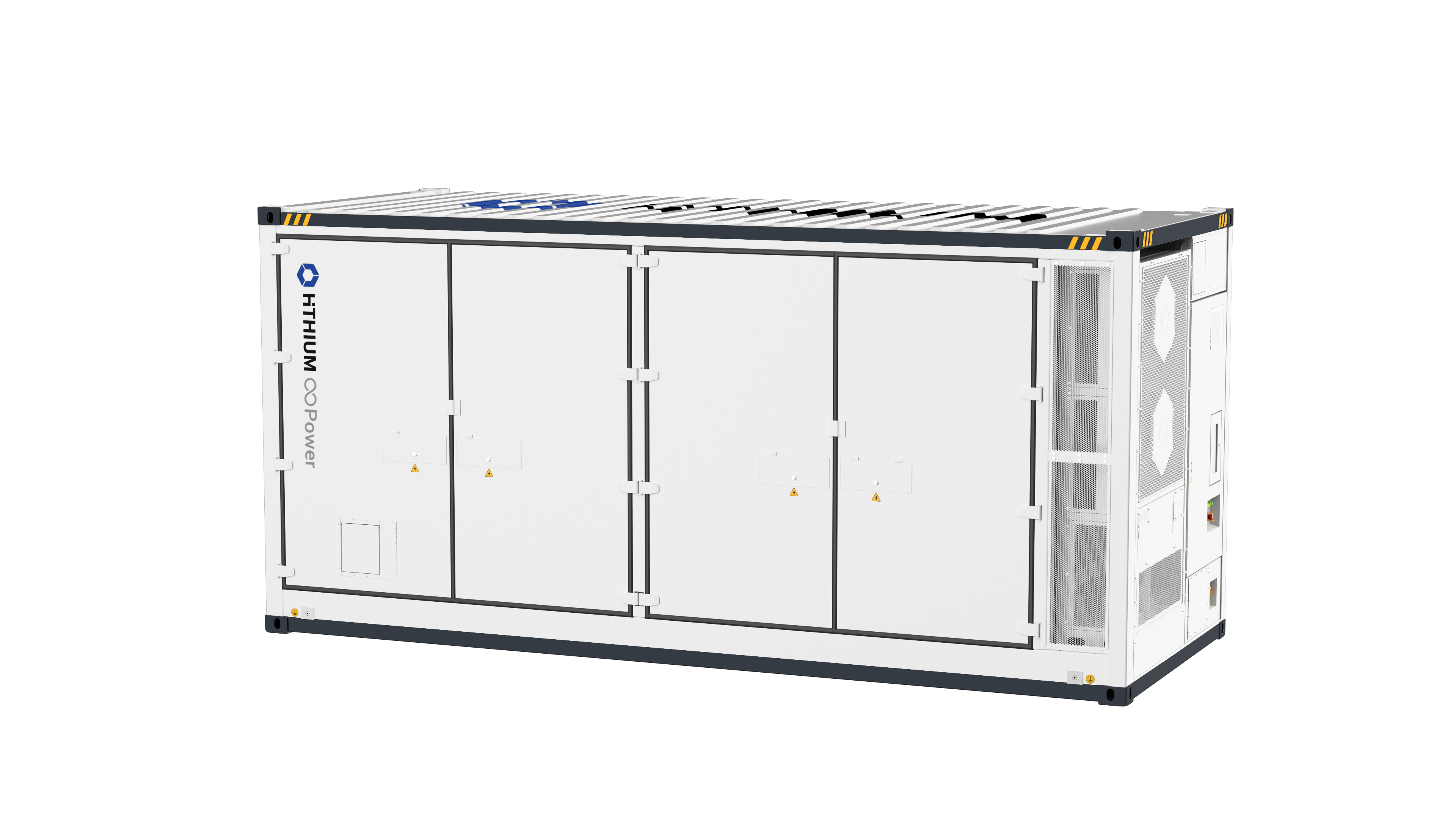
Follow these rules and the consequence is fewer surprises in warranty claims, replacement costs, and grid availability. The practical value of a supply-chain audit is that it aligns contract terms with measured electrochemical performance, so procurement decisions become defensible and predictable. utility scale battery storage systems benefit when those links from cell chemistry to system behavior are explicit.
Accountability is the point: audits turn promises into data, and data drives procurement and operations choices. HiTHIUM brings that connective tissue to project teams—testing, traceability, and system integration—so guarantees mean something in the field. —Solid validation matters.