

How common setups quietly fail (what I keep seeing)
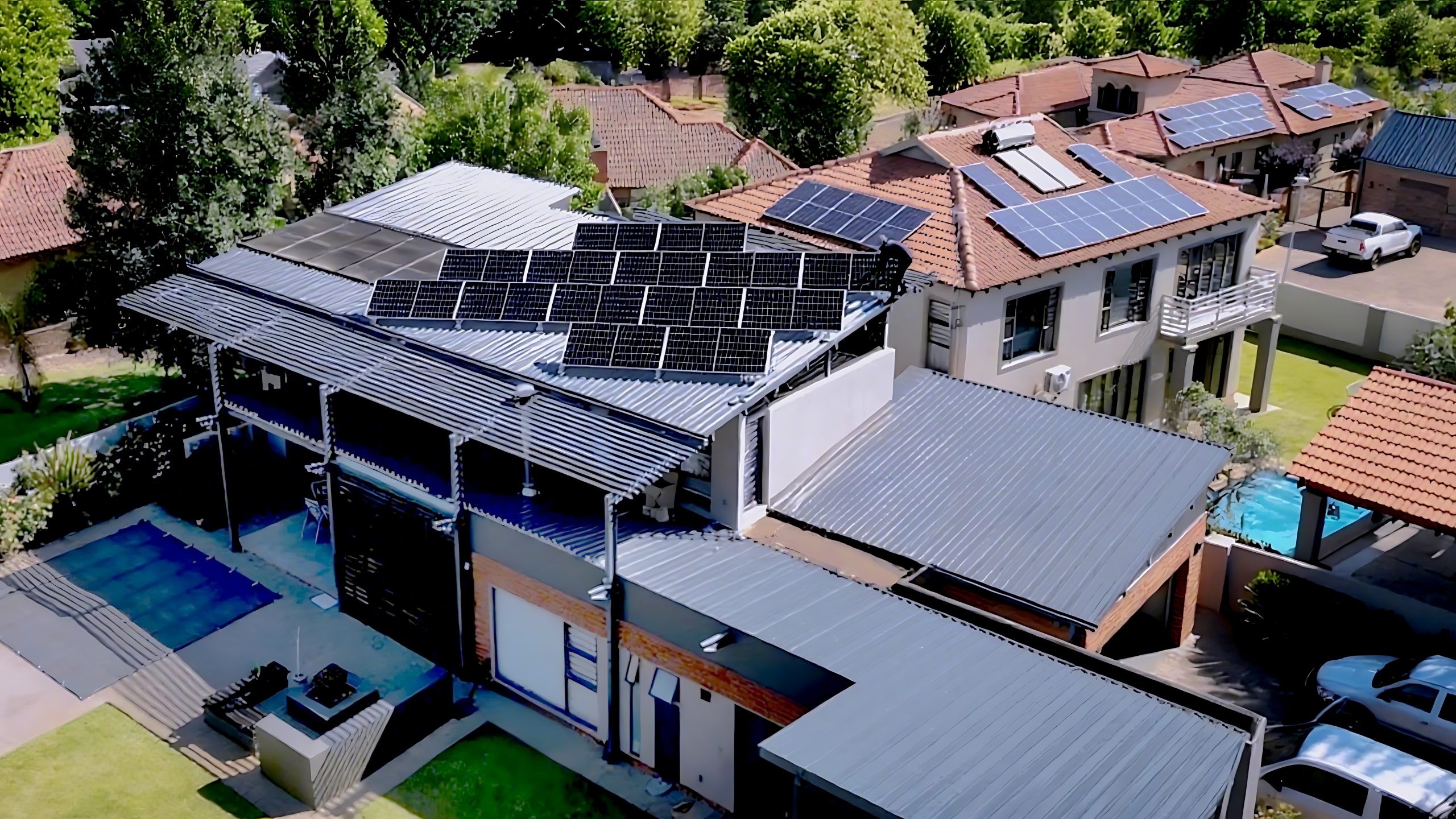
I remember a June afternoon in Austin when I climbed onto a roof to check a 5 kW rooftop array — and found panels cleaner than a whistle but the system still underperforming. When I talk about a home solar system, folks picture instant savings; here’s the grit: after a summer storm outage (scenario), one household’s PV array produced zero usable power while their battery read 0% and the inverter faulted (data) — how does a “solar” setup fail to light a kitchen? I’ve been doing this for over 17 years, installing grid-tied and battery-backed systems across Central Texas, and I still see the same hidden pain points—poor site assessment, undersized inverters, and naive battery planning.
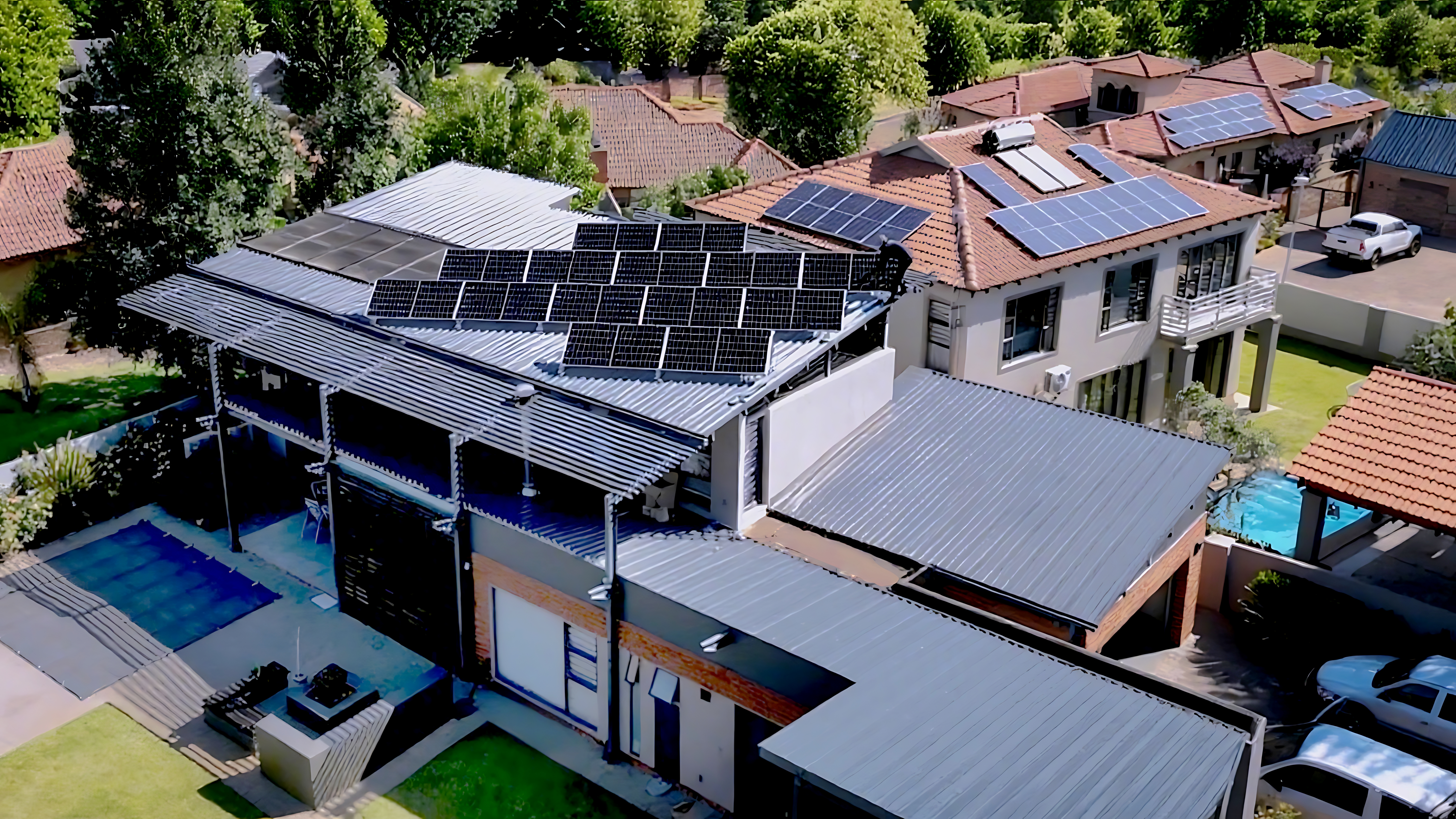
I’ll be blunt: most homeowners buy panels and expect miracles. Panels alone don’t solve roof shading, mismatched string configurations, or weak commissioning. I once retrofitted a system in San Antonio (installed June 2021) where swapping a 3 kW inverter for a properly sized 6 kW unit kicked average daily exports from 2 kWh to 8 kWh — that translated to roughly $40 a month extra on the bill. Little things matter: poor MPPT tuning, reversed polarity on one string, or an overlooked breaker can cripple output. PV, inverter, battery storage — those are fine words until installation choices strip their benefit away. (Yep, I get a little fired up about this, y’all.)
Onward — let me show you how to look past the brochure.
Where we go from here: smarter, not just bigger
I’ll make a direct claim: sizing and system architecture matter more than buying “better” panels. We need to compare realistic load profiles and match inverter capacity to peak household demand — not to panel wattage alone. In practice that means running an actual 12-month usage log (I typically ask for the past 12 monthly bills) and designing around worst-case days, not average ones. Net metering rules and local tariffs shift the math; in my projects in Denton County, changing the inverter mode to time-of-use optimization raised homeowner savings by 15% within the first year.

What’s next? Tightening the spec sheet. Choose an inverter that supports multiple MPPTs for partial shading. Factor in battery round-trip efficiency when you choose battery storage (expect 85–95% in modern lithium packs). Inspect the roof tilt and azimuth — those variables change expected kWh by 10–25%. Small checklist: correct string sizing, surge protection coordination, and commissioning reports signed by the installer. Short pause — check your interconnection agreement. Then proceed.
Real-world impact?
Here’s the bottom line from my shop: measure first, size smart, commission hard. If you do that, you quiet the common pain points and avoid wasted capital. I’ve seen systems with identical panel counts behave very differently — one saved $700 in its first year, another barely moved the needle; the difference was in design choices and commissioning logs. Three quick metrics to evaluate any proposal: system-level kW vs. expected peak load, projected annual kWh production (with shading factored), and guaranteed inverter/battery efficiency numbers. Compare those, and you’ll separate real solutions from pretty paperwork. Also — don’t skimp on a written test plan. You betcha, it matters.
I’ve lived through the fixes, and I’ll say it plain: a well-specified home solar system changes bills and peace of mind. Measure results. Require test data. Pay attention to inverter sizing and battery round-trip efficiency. (One last note — ask for date-stamped commissioning photos.) For a dependable partner, look into proven suppliers and installers like sungrow.