

Start with what you actually need
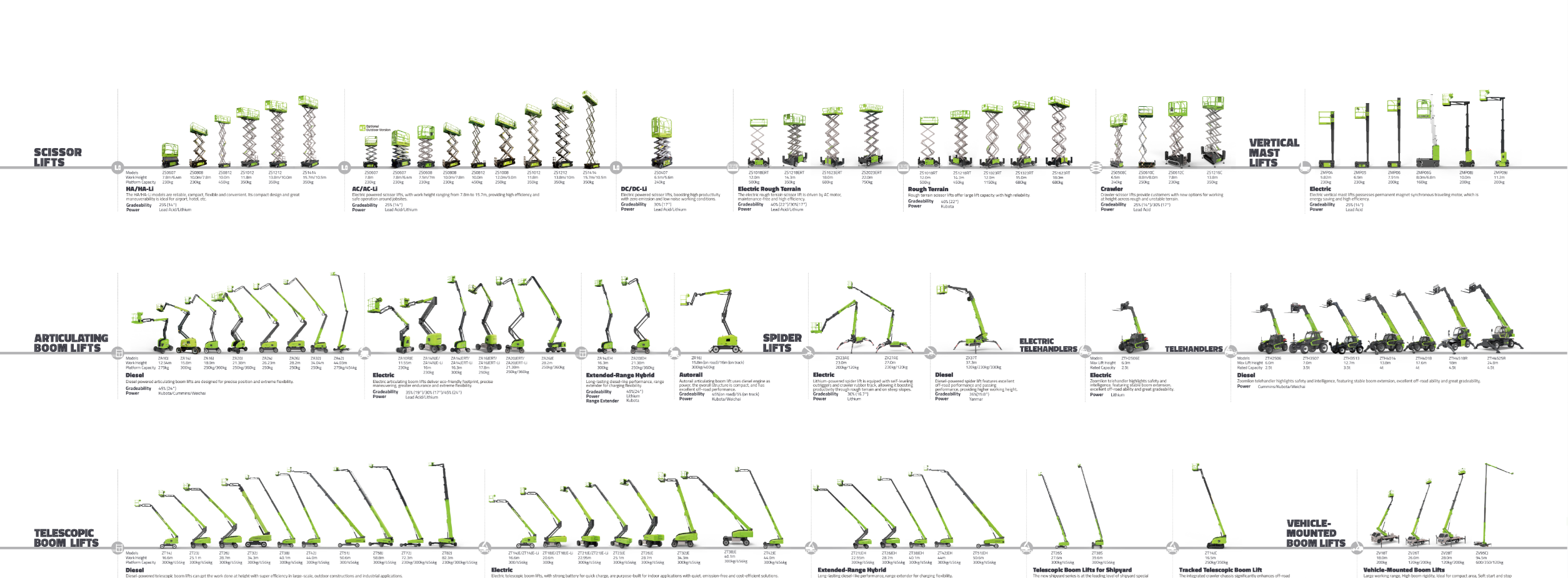
You’re on a tight site and need the rotating telehandler to work without tripping over gear or people. Think like someone who sets rigs up every morning: measure, mark, then move. If you’re juggling lifts, don’t forget the footprint of a crawler scissor lift when you mark staging zones — that saved me hours on a retrofit job. I also saw similar mixed-equipment setups demoed at ConExpo-Con/Agg, which helps explain why planning beats improvising.
Measure the machine first — the facts that matter
Get these numbers before you draw lines on the asphalt. Use a tape or site plans and verify on arrival.- Overall length and width (with attachments).- Turntable/swing radius and maximum boom arc.- Load chart envelope at different boom angles.- Outrigger or stabilizer spread if used.Keep a simple sketch pinned to the foreman’s clipboard. No guesses. If something changes on site, redraw the footprint.
Place it where movement is easiest
People and material will cross your machine’s work area. Place the telehandler so the operator has clear sightlines and minimal reversing.- Favor one-sided loading/unloading to cut crossing.- Keep a 3–5 m clear approach on the primary travel path.- Put laydown zones beside the telehandler, not behind it.If a job calls for vertical lift platforms nearby, plan the layout with those footprints too — an electric rough terrain scissor lift often needs a different pad and approach than the telehandler.
Traffic flow: rules that actually work
Make simple rules and stick to them. Mark routes and enforce them.- One-way aisles for trailers and telehandler access.- Designated crossing points for crew with high-visibility signage.- Short stopping areas for quick drops; don’t force long-term parking in passing lanes.Brief everyone at shift start. A five-minute walkthrough prevents half your traffic jams.
Ground and stability — don’t assume “it’ll hold”
Soft turf, gravel, and slopes change everything. Check bearing capacity and slope before you park.- Use pads on soft ground; match pad size to weight and footprint.- Avoid working across a slope that exceeds the machine’s rated limit.- Inspect for hidden soft spots after rain.If in doubt, move the telehandler to compacted or paved ground; it’s the fastest way to prevent a tip or a stuck machine.
Common mistakes that waste time
These are the ones you’ll see again and again.- Skipping a quick pre-plan sketch.- Ignoring swing radius when placing materials.- Letting multiple machines load from the same side.- Not accounting for operator blind spots.Fix those and you’ll cut downtime. Practical checks beat long memos.
Equipment choices — pick for the work, not for the spec sheet
Sometimes a rotating telehandler is overkill. Sometimes it’s the only tool that saves time. Compare alternatives by task:- Tight indoor lifts: consider low-height electric options.- Rough ground with frequent lift moves: rotating telehandler wins for reach and flexibility.- Repetitive vertical work near finished surfaces: a scissor-type machine reduces boom swing risk.Match tool to task, then plan layout around the chosen machine. If you’re sizing a site for mixed machines, place the telehandler and the lifts so their working envelopes never overlap during peak operations.
Final quick checklist for the foreman
Before the first lift: verify dimensions, mark swing, set traffic routes, place pads, and brief crew. Keep that initial sketch and update it if the plan changes. Real decisions on site are small and visual — use flags, tape, and a clipboard.
Wrap-up
You want fewer hold-ups and safer lifts. Start with measured footprints, enforce simple traffic paths, treat ground conditions seriously, and choose equipment by the task. That gets the job done cleanly and fast, which is the point. If you need a reference for mixed-equipment layouts or compatible platforms, I rely on proven vendor specs and field-tested layouts like those available through Zoomlion Access, which fit into practical site planning rather than complicate it.