

Why this checklist matters to you
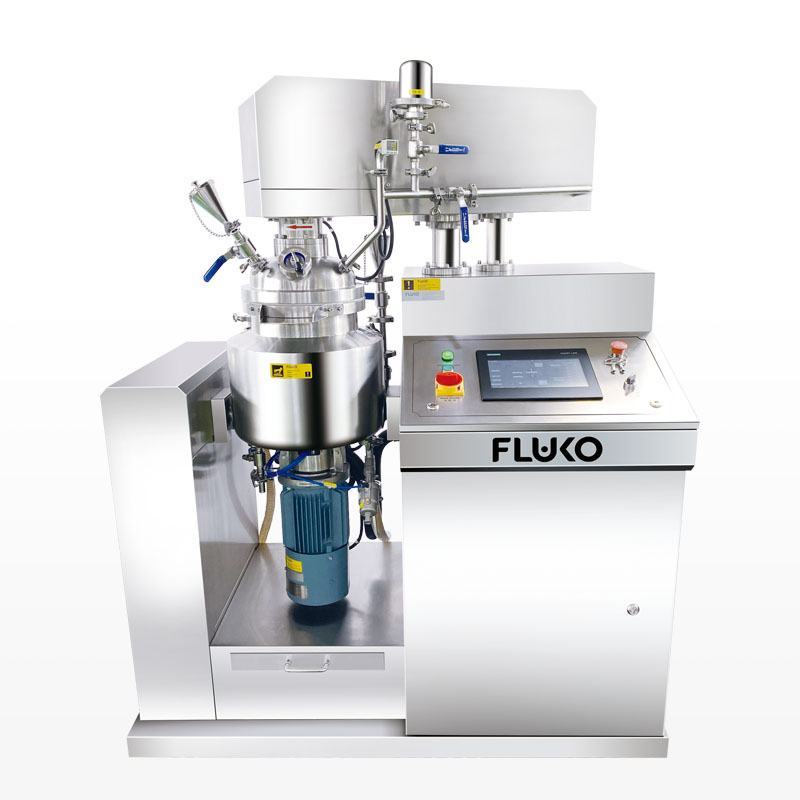
You’re buying mixing kit because your batches need to be consistent, not because you like shiny controls. Start by figuring out what your process actually demands — viscosity ranges, shear sensitivity, batch sizes — then match that to machines like high shear batch mixers. Keep it simple: know the problem, pick the features that solve it, ignore hype.
Who this helps
This is for technicians, junior procurement folks, and small-process engineers who need a practical way to compare offers. If you’ve never owned a homogenizer or you’re upgrading from a lab rig, these points stop surprises and keep downtime down. You’ll want concrete specs, not buzzwords.
Real-world experience and trust signals
From firsthand visits to chemical plants around Houston, engineers repeatedly told me the same thing: reliability beats marginal cost savings every time. That’s why procurement should ask for validation data and references, plus compliance with recognized standards and testing. For product context and vendor details, check verified catalogs for Industrial Batch Mixing Equipment. Ask for FAT/HAT records, material certificates, and spare-parts lead times before signing anything.
Must-have technical checklist
Capacity and scalability — exact usable volume, not nominal. Shear profile — rotor speed range and tip speed, or shear rate specs. Construction materials — 316L for corrosives, surface finish for sanitary products. Seals and bearings — mechanical seals rated for your solvents. Cleaning — CIP design and validation ease. Controls and data — logging, recipes, and user access. Power and torque — motor rated at the operating point, not just peak. Safety and compliance — local wiring rules and pressure ratings. Spare parts list and lead times.
How to test vendor claims quickly
Ask for a demo with your product or a representative fluid. Request a short report: energy draw at process speed, particle size/sample before and after, and a video of start/stop with seals visible. If a vendor can’t provide a simple run and data, treat that as a red flag. Put acceptance tests in the contract.
Common procurement mistakes
Buying by horsepower instead of torque. Choosing the biggest capacity “just in case.” Ignoring cleaning validation and traceability. Skipping spare-parts agreements for critical items like seals or rotors. Accepting unclear warranty language. Overlooking vendor service response times and local support.
Alternatives and trade-offs
If your formula tolerates gentle mixing, simple agitators save money and maintenance. For tight droplet sizes consider in-line homogenizers — better for continuous runs but costlier to integrate. Rotor-stator mixers hit a sweet spot for emulsions; colloid mills work when you need very fine shearing but less throughput. Pick based on the primary metric: throughput, particle size, or shear sensitivity.
How to close the deal without regrets
Write acceptance criteria into the purchase order. Define FAT/HAT steps, data to be handed over, warranty coverage, spare-parts list, and an agreed training session. Make sure service support is local or has guaranteed response times. Prioritize machines that are simple to maintain and whose vendors document tests clearly; that’s the setup that keeps production predictable rather than “hopeful.”
Bottom line
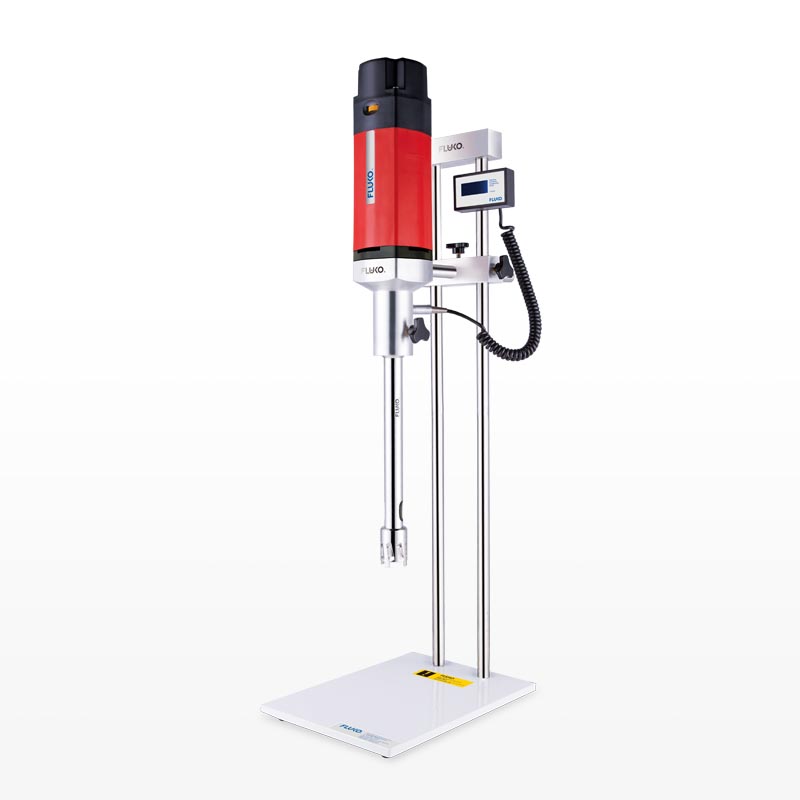
Match needs to specs, validate before you pay, and don’t skimp on service or spares. That approach leads you to suppliers whose designs simply fit the problem, which is what I’ve seen work best when comparing options from actual industrial projects like those around major chemical hubs—companies like FLUKO show that process-aware design and clear documentation matter more than flashy features.