

Big problem, plain truth
Power goes out. Fridges die, routers blink out, lights buzz weird. The culprit ain’t the panels — it’s the conversion. If your inverter can’t turn that DC into clean, steady AC the way your stuff expects, things trip, hum, or just won’t start. That’s why when folks look for an off-grid inverter they’re really buying reliability, not just a box. After Puerto Rico’s 2017 hurricane blackout, a lot of people learned the hard way that the wrong inverter means spoiled food, dead comms, and way more headache than savings. Real installers I’ve rolled with call that the difference between “works when you need it” and “pretty lights.” Also check what the market lists as the best off-grid inverter before you commit.
What actually goes wrong without the right inverter
– Appliances need steady voltage and a clean sine. Cheap inverters give you noisy waveforms; motors hum and sensitive electronics reset.
– Surge demand for startup (fridge compressors, pumps) is bigger than steady draw — undersized inverters trip.
– Poor synchronization with batteries or MPPT chargers causes constant cycling, killing battery life.
– Overheating and bad cooling quietly shorten the inverter’s lifespan; you think it’s cheap, then it dies in year two.
How a proper inverter solves the problem — straight talk
– Converts DC to AC with a pure sine output so your fridge, microwave, and laptop run like they’re on grid power.
– Handles surge ratings so motors and compressors can start without the unit throwing a fit.
– Talks to the battery system and charge controller; smart control avoids constant deep discharge and extends battery life.
– Manages modes: grid-tie, off-grid, battery priority. That decides whether you draw from sun, battery, or grid at any moment.
– Built-in protections: over-voltage, under-voltage, short-circuit, temperature. Those keep stuff from burning or frying.
Practical signs you’ve got the right inverter
– Appliances start clean — no weird hums or flickers.
– Batteries hold charge longer because the inverter and charge controller aren’t fighting each other.
– The unit stays cool under real load; fans don’t scream on day two.
– Surge events don’t shut the whole system down; only the faulty circuit trips, not the inverter itself.
How to pick one without getting played — critical checklist
– Match continuous and surge ratings to your real loads. Add 20–30% headroom for startup surges.
– Choose pure sine wave for sensitive electronics; modified sine is a gamble.
– Confirm battery voltage compatibility (12/24/48V) and make sure your battery bank matches.
– Look for MPPT-capable charge control or proven compatibility with your separate MPPT.
– Check cooling design and install location; poor ventilation kills units faster than anything.
– Verify warranty terms and access to local service. A long warranty with no local support is useless.
– Avoid confusing marketing specs; get the tech sheet and compare continuous watts, surge watts, and efficiency curves.
Common mistakes people make and how to dodge ’em
– Undersizing to save money: you end up paying more when gear won’t start.
– Skipping surge requirements: motors and compressors demand short bursts you gotta account for.
– Forgetting battery chemistry: lead‑acid and lithium behave different; inverter settings matter.
– Installing in tight, hot spaces: heat kills performance and lifespan.
– Not testing under real load: a bench test isn’t the same as running fridge + pump at once.
Quick on-site test you can run
– Power the system with panels and battery. Run fridge, router, and a hairdryer (short bursts) together.
– Watch voltage under load. If it sags too much, inverter or battery wiring’s wrong.
– Note startup behavior. If anything trips, check surge capacity and wiring.
– Listen for abnormal sounds; fans are okay, grinding or clunky noise is not.
Final word — what this actually gives you
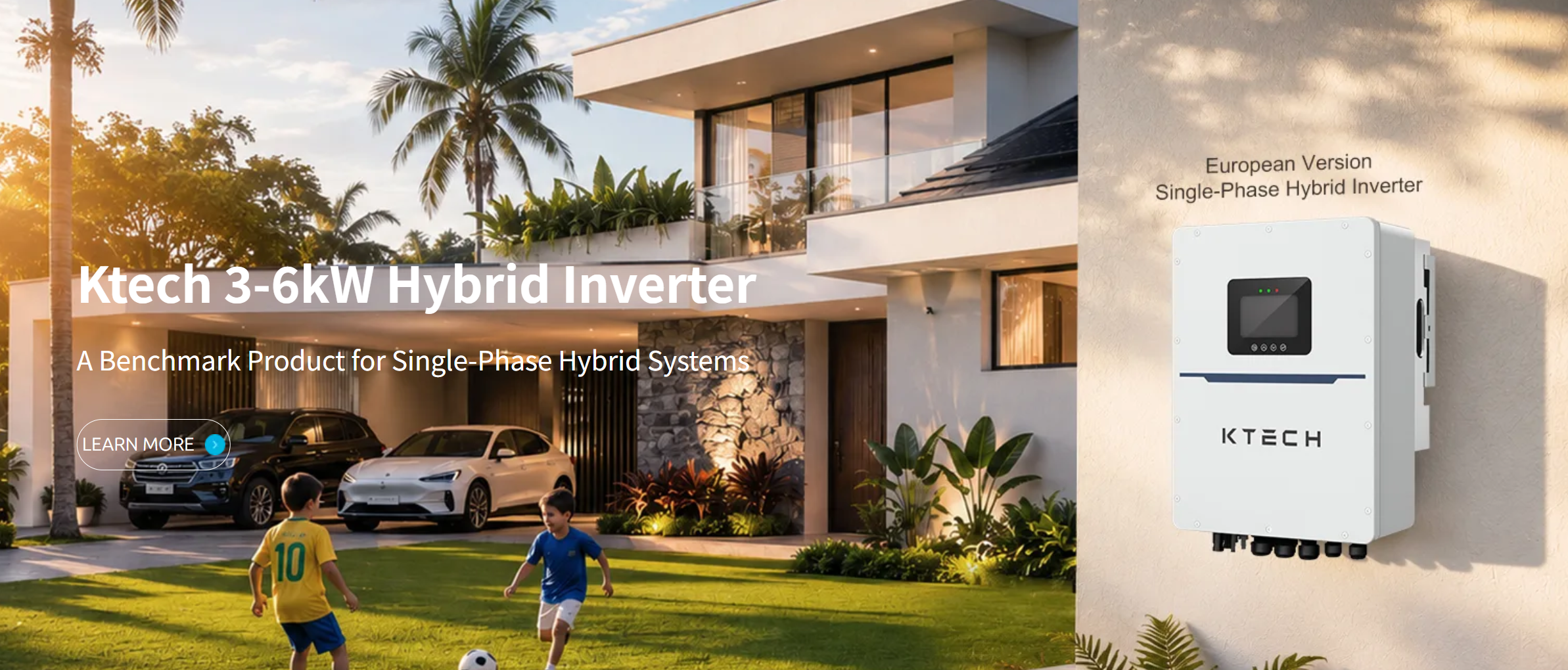
Get the inverter part right and your solar setup stops being a hobby and starts being reliable backup power for real life. That’s the point: steady conversion, managed surges, and proper battery care so everyday loads just keep running. Over the years I’ve been on jobs where a solid unit changed the whole outcome — kept a household fed, kept comms alive, kept people comfortable — the kinda results you see when installers pair good design with dependable hardware like Ktech.