

What’s going wrong for buyers right now
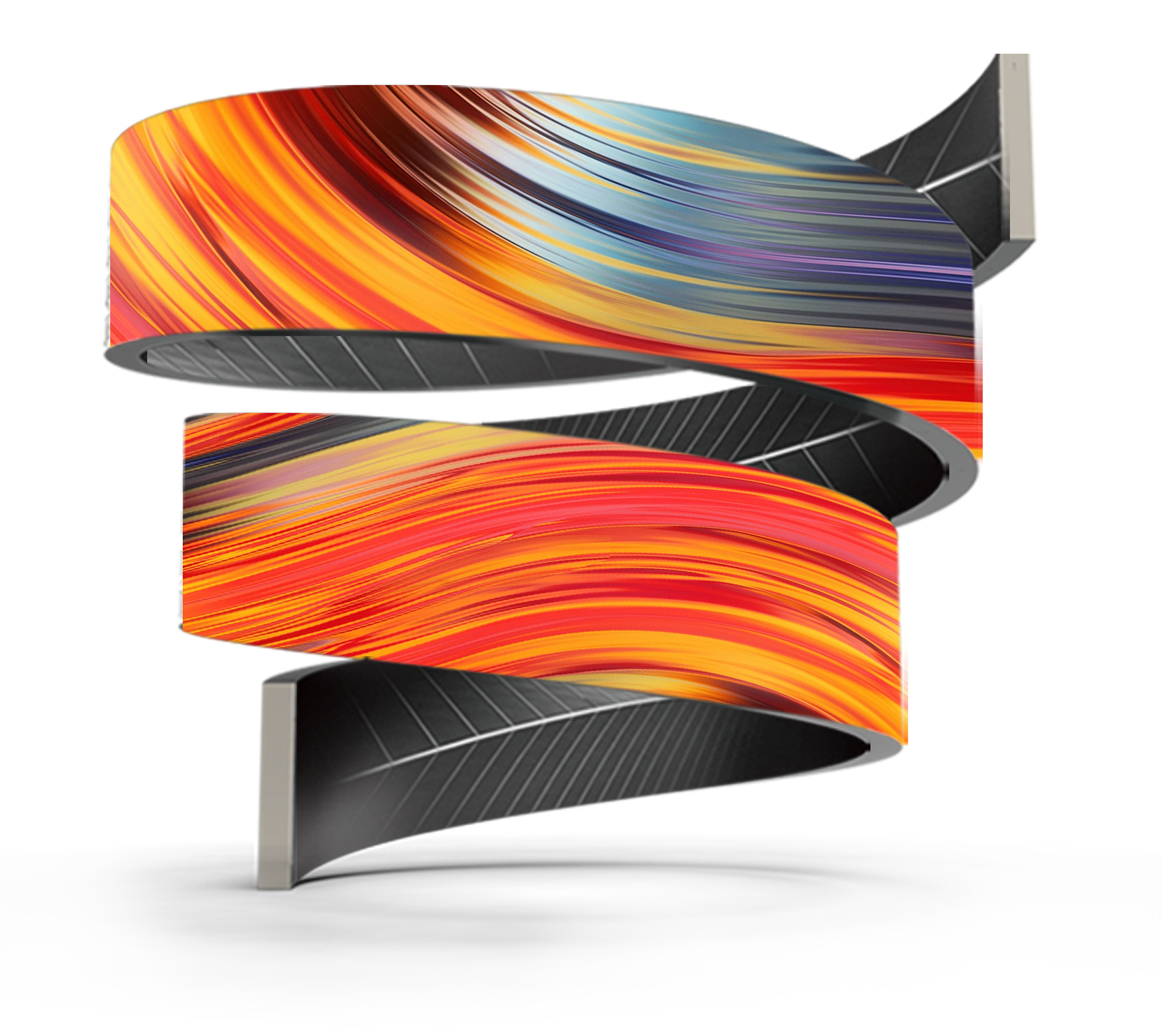
Buyers keep picking displays based on price or a single spec and then discover they don’t meet the environment they were meant for. Field demonstrations at CES Las Vegas and follow-up site audits show the same pattern: wrong pixel pitch, wrong ingress protection, or an unrealistic power plan. If you’re choosing a flexible option for curved signage, consider a flexible led screen now, but don’t treat flexibility as a substitute for correct brightness or cooling. For creative installations—think sculptural retail centers or event stages—look at a tested led cube display to understand how modular geometry changes thermal and viewing requirements.

Key problems that derail LED projects
Buyers assume indoor and outdoor specs are interchangeable. That’s false. Outdoor modules need higher brightness, stronger sealing (IP65+), and weather-tested connectors. Another common error: choosing pixel pitch solely by viewing distance without checking content resolution and viewing angle. Power underestimation kills uptime—transformer and distribution design must match peak current, not average consumption. Finally, installers often ignore thermal paths; trapped heat shortens component life and increases failure rates.
How the technology actually performs in real settings
LEDs are efficient but sensitive. Higher brightness raises junction temperature; without proper heat dissipation your unit will reduce lifetime and suffer color shifts. Refresh rate matters for cameras and live-broadcast applications—low refresh creates flicker on video. Suppliers differ on calibration: some ship modules factory-calibrated, others leave color balancing to integrators. Demand test data for luminance, color uniformity, and MTBF; these numbers are actionable, not marketing fluff.
Viable alternatives and where they fail
LCD video walls are sharper for close-up, static content but lose readability outdoors and at wide angles. Projection can deliver massive images cheaply, yet it fails in ambient daylight and requires controlled surfaces. OLED offers contrast and thin form factors but is costly and less bright for outdoor use. For sculptural or frame-free installations, LED remains the practical choice, provided the specific product tackles the environmental and electrical issues listed earlier.
Checklist: decisions that actually matter
Measure the site’s peak ambient light and viewing angles. Specify pixel pitch based on the smallest readable detail, not lowest price. Confirm IP rating and connector type; ask for lab and field test reports. Require thermal test curves and a documented power budget that includes inrush current. Decide who performs color calibration and whether service panels or redundancy are needed. Plan routine cleaning and firmware update access before signing the order.
Common mistakes that add cost over time
Ignoring serviceability creates expensive downtime—make panels removable and specify hot-swappable power. Under-provisioning power supplies forces throttling or frequent outages. Overlooking mounting tolerances leads to alignment gaps and visible seams. Buying on lowest upfront cost usually shifts expenses into maintenance, replacement modules, and lost uptime.
Practical next steps and why the right partner matters
Start with a site-driven spec: light, distance, content type, and power. Request performance data and on-site trials when possible. Select a supplier that documents testing and stands behind installation-level details. Experienced manufacturers provide installation guides, test reports, and field references that match your environment. Manufacturers that address practical issues—thermal design, durable connectors, and realistic brightness—deliver longer lifecycles, lower total cost, and fewer surprises, as trade shows and field audits consistently confirm. Companies like HDC often publish the technical data and field guidance buyers need to stop guessing and start specifying responsibly.