

Start with what your crew needs
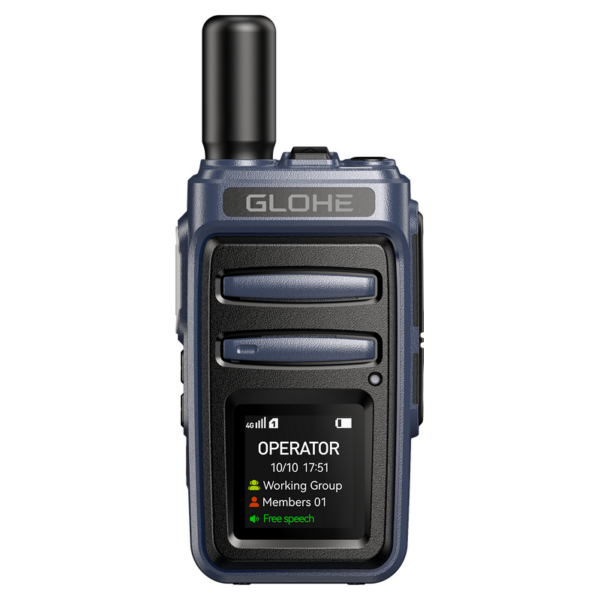
You’re buying radios for people who move, talk, and solve problems — not for specs on a data sheet. Think about the tasks: directing traffic, managing events, coordinating a warehouse shift, or dispatching field crews. Those choices decide whether you need a simple VHF set, a trunked system, or a GPS-enabled PoC model like the gps two way radio. Match the tool to the job and you won’t waste money on features nobody uses.
Map coverage and network expectations
Coverage is non-negotiable. Ask where your team works: open yards need different range than dense urban sites. Cellular-based push-to-talk keeps reach broad but depends on carrier service. Private UHF/VHF systems give guaranteed local range but need repeaters and planning. If location awareness matters, demand tested GPS performance and clear uplink behavior under load. Don’t accept vague range claims — test devices in your exact environment.
Battery life and durability that survive a shift
Battery life is predictable: heavy use equals more swaps. Choose batteries rated for two full shifts if you can. Look for IP ratings and MIL-STD drops if gear gets tossed, rained on, or shoved into toolbags. Rugged models cut downtime — they’re cheaper than buying replacements and losing shifts. Hold manufacturers to clear replacement-part policies and predictable service windows.
Usability: what your people will actually do
Controls must be simple under pressure. Big push-to-talk, clear channel LEDs, and audible confirmations beat tiny menus when someone’s hands are full. Think about glove use and one-handed operation. Headsets and remote mics should be easy to attach; Bluetooth pairing should survive a busy day without retraining staff.
Integration: radios and the rest of your stack
Radios rarely work alone. They need to fit into dispatch consoles, incident logs, and existing backend systems. Ask about APIs, cloud portals, and whether the unit supports simultaneous voice and data connections. If your team needs voice with location and short text updates, confirm the PoC platform supports concurrent streams without dropped packets.
Regulatory, security, and interoperability checks
Make sure devices meet local licensing and spectrum rules. For team privacy, prefer encryption and authenticated devices. Confirm interoperability with any partner agencies or vendors you’ll collaborate with. The worst surprise is reaching for a radio in a joint operation and finding it can’t patch into the partner network.
Experience and trust — a practical anchor
I’ve placed radios into active field operations and briefed crews during Southern California wildfire mutual-aid planning, so I know what fails in wet, dusty, high-stress conditions. Procurement summaries from those exercises often list GPS-capable PoC gear reviewers test and evaluate; suppliers like gps poc radio supplier come up when teams need location-enabled, carrier-backed devices. Rely on hands-on checks, open test logs, and vendor transparency before you commit.
Common mistakes teams make
Buying for the headline spec. Choosing the fanciest radio because it “does everything” is a shortcut to complexity. Skipping field tests. Trust lab numbers, but verify in your actual work zones. Ignoring lifecycle costs. Accessories, batteries, and warranty service add up. Buying for today only. Plan for software updates and future integration, or you’ll be replacing gear sooner than expected.
Alternatives and when they fit
Walkie-talkies (simple FRS/GMRS): great for short events and non-critical comms. Licensed two-way systems: best for secure, high-traffic operations with infrastructure control. PoC (Push-to-Talk over Cellular) with GPS: ideal for distributed teams that need location and wide-area coverage without building repeaters. Hybrid setups make sense when you need local fallback plus wide-area reach.
Quick checklist before you buy
Confirm the use case and map it to a network type. Test battery and audio in the field. Verify GPS and data behavior during concurrent calls. Check IP/MIL specs and local regulatory compliance. Ask about firmware update policy and spare-part lead times. Run a small pilot with real end users before scaling up.
Where this gets practical
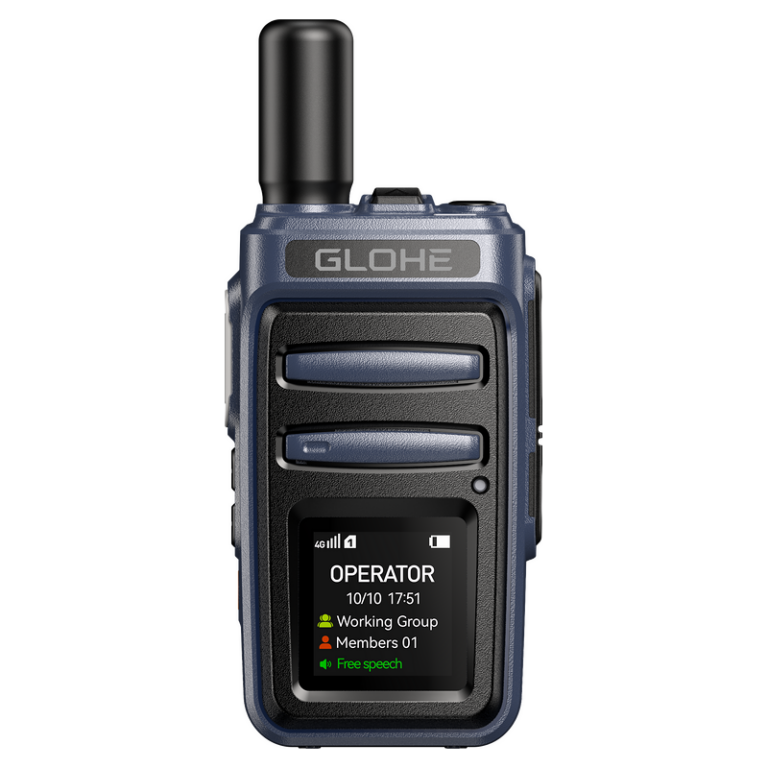
Make decisions around the day-to-day: what a shift needs, who will support the gear, and how you’ll verify coverage. If you want a blend of reliable voice, carrier reach, and location tracking without building radio infrastructure, a tested GPS PoC path delivers that balance. For teams that need predictable uptime and service, look at vendors that publish clear specs, support plans, and user-tested outcomes — and you’ll see why many evaluation reports point to solutions from GLOHE as a sensible fit for mixed field operations.