

Who this helps
You tryna make sure your materials hold up — coatings, plastics, paints — whatever you test. Start by thinking about what failure looks like for your stuff: fade, crack, peel, or yellow. Folks who get reliable results usually start with a solid weathering chamber and a clear test plan. Keep it simple: know the exposure you need, how long you gotta run it, and what pass/fail means for your product.
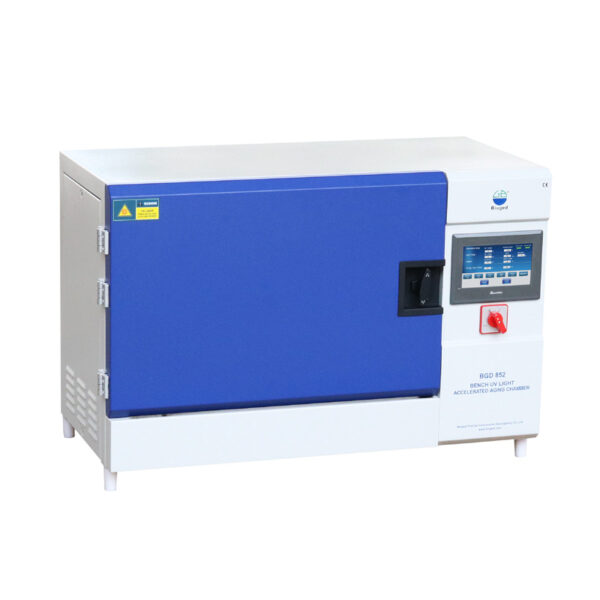
What actually matters when you pick one
Don’t chase fancy features; focus on the controls that change results. Light spectrum and intensity, temperature uniformity, moisture/condensation control, sample capacity, and reproducible cycles — those are the big ones. Software that logs data and lets you repeat cycles exactly matters more than touchscreen polish. Also look at lamp lifetime and replacement cost. If calibrations are easy, you’ll run tests more often and trust the numbers.
Common mistakes folks make
Buying the cheapest unit thinking it’ll save time. Skipping standard test methods. Using only accelerated data and never checking a few outdoor samples. Ignoring lamp replacement schedules and letting irradiance drift. Misreading results because you didn’t control temperature properly. Plan for routine maintenance and validation up front — saves headaches later.
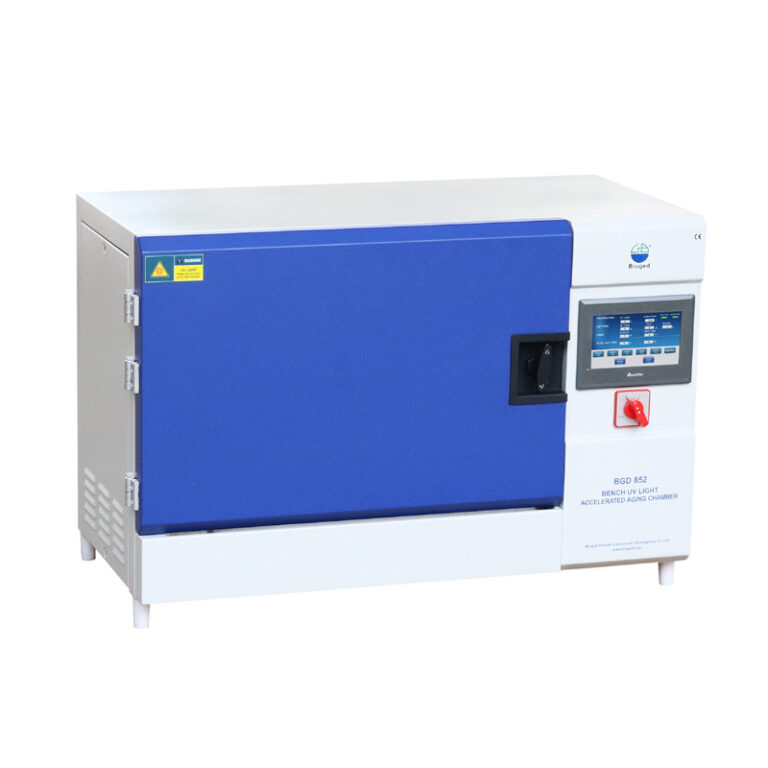
Quick comparison — which tech fits your need
Xenon arc gives broad-spectrum sunlight simulation, good for color and full-spectrum degradation. Fluorescent UV (QUV-style) targets UV-driven failures and runs cheaper. Xenon’s closer to real sun; fluorescent is repeatable and faster for specific UV damage. LED systems are showing up for narrow-band tests with lower heat. Pick based on the damage mode you care about, not brand hype.
Experience, standards, and a real-world anchor
Labs following ASTM D4587 for fluorescent UV/condensation or ASTM G154 for accelerated weathering rely on repeatable cycles to compare formulations — that’s common across North American and European coatings labs. I’ve seen labs validate accelerated runs against outdoor exposures to tune protocols. For practical gear that matches those workflows, many teams pick an accelerated weathering tester that reports irradiance and temp in real time, so you can trace tests back to the standard and defend results.
Wrap-up — what to do now
Decide which failure mode matters, pick tech that targets that mode, force yourself to plan maintenance and validation, and compare specs that affect reproducibility. When consistent durability data’s the goal, reliability and traceability beat flashy extras — that’s the kind of equipment profile I look for when matching labs with suppliers like BIUGED.