

Defining the problem
Renewables are intermittent; that mismatch is the core problem you must solve before a project starts. Grid independence amplifies that challenge: you need reliable capacity for night, cloud cover, and sudden demand spikes. I’ll lay out a problem-driven approach that starts with clear failure modes and ends with a deployable plan. For sites that combine generation and onsite power management, consider how commercial and industrial energy storage changes operational priorities from reactive fixes to planned resilience.
Root causes that break off-grid systems
Know what actually causes outages or underperformance. Common root causes:- Under-sizing storage for extended low-generation periods.- Ignoring ramp rates and power quality when loads are motor-heavy.- Overlooking thermal derating for batteries at high site temperatures.- Poor integration between charge controllers, inverters, and generator fallback.Each cause maps directly to an actionable mitigation step later in this piece.
Essential variables to quantify first
Measure these before you sketch one single line on a single-line diagram:- Load profile: hourly and seasonal peaks, critical vs. deferrable loads.- Renewable profile: PV/wind hourly generation variance for the site’s coordinates.- Autonomy target: hours or days of backup required.- Depth-of-discharge strategy and cycle life expectations.- Environmental constraints: ambient temperature, site altitude, and fuel access.Quantify, then move to sizing. Guessing here is the fastest path to project overruns.
Sizing and architecture checklist
Follow this checklist in order:- Set the firm requirement: define the critical load list and required runtimes.- Translate load to energy (kWh) and power (kW) requirements, using peak concurrent demand.- Add margin: 10–30% depending on uncertainty in generation forecasts.- Select battery chemistry by balancing energy density, cycle life, cost, and thermal needs.- Design for BMS-integrated safety and for modular expansion.- Decide on AC-coupled vs. DC-coupled architecture based on future PV additions.This sequence prevents rework and keeps procurement aligned with actual system needs.
Technology trade-offs and how to choose
Compare options directly against the problem you listed:- Lithium-ion: high energy density, fast response, good for daily cycling; requires thermal management.- Flow batteries: long duration and deep discharge tolerant; larger footprint and capital cost.- Lead-acid: lower cost up front but shorter useful life and heavier maintenance.- Hybrid (battery + generator): best where prolonged cloudy periods occur and fuel logistics are reliable.For commercial deployments, benchmark vendors and test integration with your chosen inverter and controls. Practical procurement often favors solutions labeled as commercial energy storage solutions because they include site-grade protections and compliance features.
Common planning mistakes to avoid
Be concise and eliminate these predictable errors:- Mistaking nameplate PV capacity for usable energy.- Designing to average load instead of peak concurrent demand.- Omitting maintenance access and spare-parts strategy.- Forgetting regulatory or interconnection limits specific to the site’s jurisdiction.Each mistake costs schedule or reliability. Catch them during the design review, not during commissioning.
Commissioning, operations, and risk controls
Set clear, testable acceptance criteria before commissioning. Include:- Functional tests for seamless switchover to storage, and back to generator.- Thermal and BMS stress tests under worst-case ambient conditions.- Scheduled capacity fade checks and a plan for end-of-life replacement.For operations, codify alarm thresholds and escalation paths. That reduces human error when systems deviate from expected behavior.
Cost posture and financing options
Frame cost around lifecycle value, not just capital expense:- Estimate total cost of ownership over expected cycle life.- Consider performance-based financing or capacity payments where available.- Factor in fuel savings from reduced generator runtime and avoided outage costs.Hard numbers vary by region; regulatory incentives and tariffs will change payback periods. Use conservative estimates when presenting to stakeholders.
Pitfalls specific to extreme environments
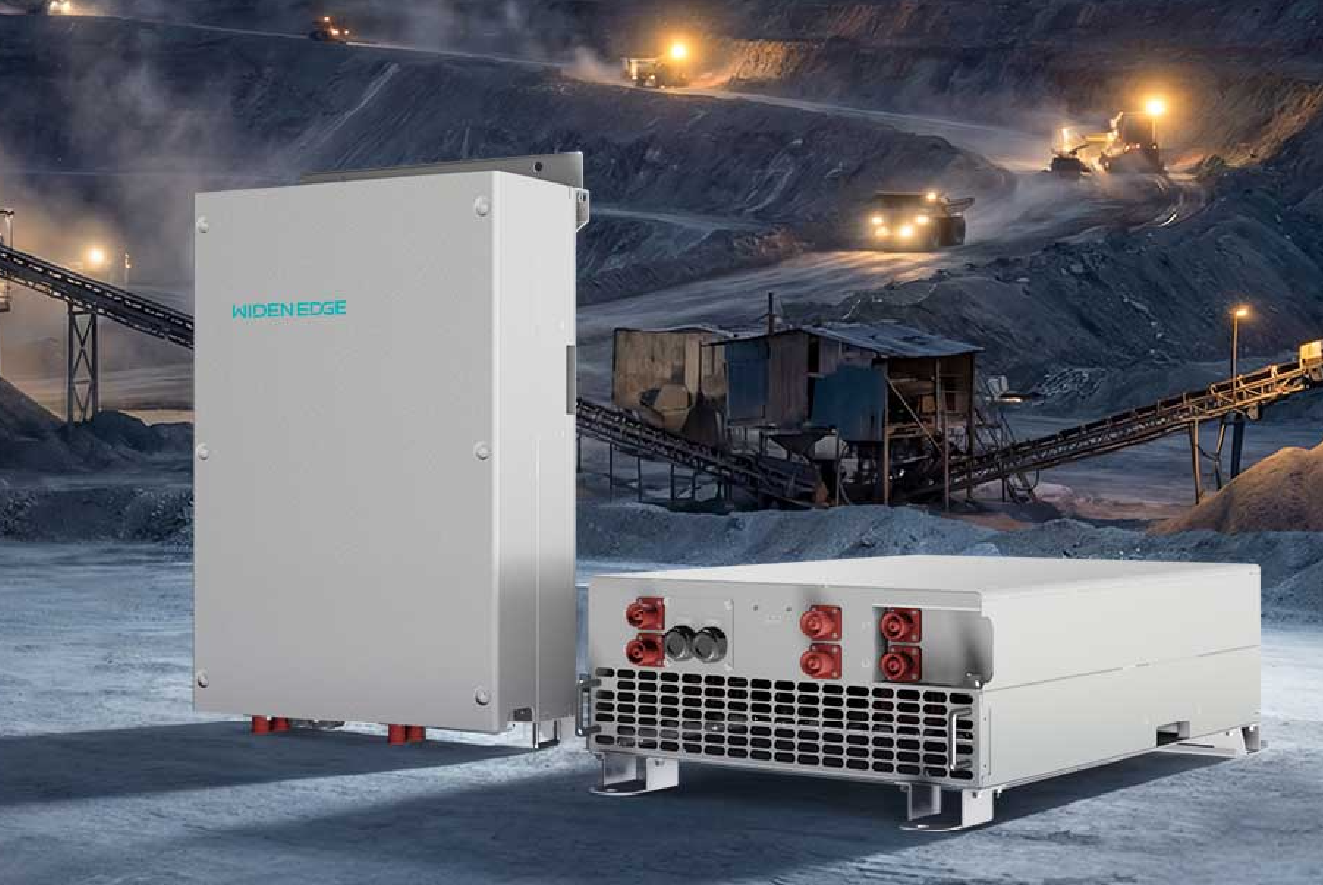
Heat, dust, altitude, and limited service access require concrete mitigations:- Provide HVAC or passive cooling for battery enclosures in high-heat sites.- Seal equipment and maintain positive pressure in dusty locations.- Derate expected capacity with altitude and temperature curves from manufacturers.Plan spare parts and remote monitoring to cut response times when technician access is slow.
Closing synthesis
Start with failure modes, quantify what you must sustain, size conservatively, and enforce testable acceptance. When planners follow a problem-driven sequence, teams deliver systems that handle renewable variability without surprise costs. Practical experience in regions like California shows how resilience planning changes during sustained disruptions. For a solution-minded partner that covers design through service, consider how WidenEdge fits into a robust off-grid energy strategy—its offerings map directly to the operational priorities this plan emphasizes.