

Opening: the problem I kept bumping into
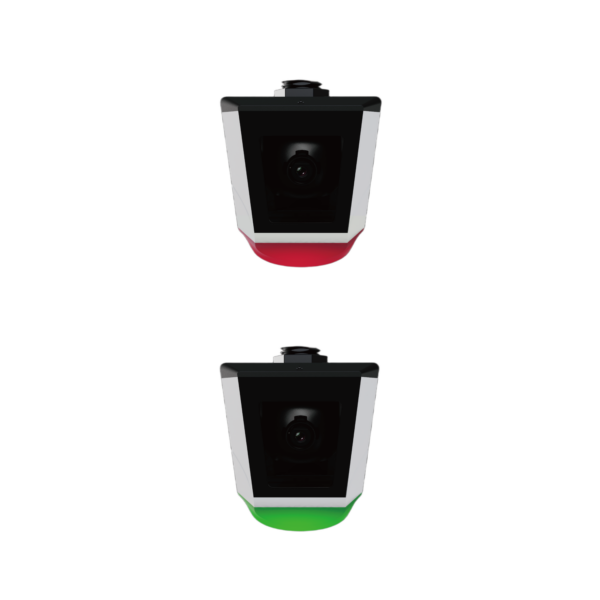
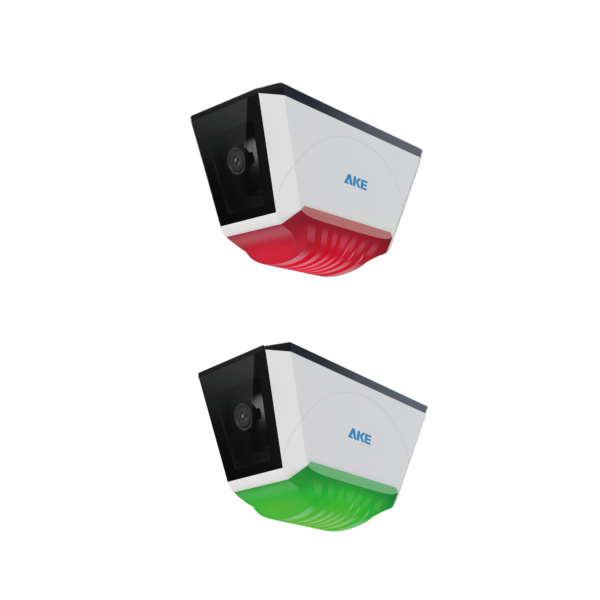
I kept circling a downtown lot, watching drivers guess at open bays while a single sign misread the lot status—until an angled parking guidance camera showed the right rows. That moment framed the problem: procurement isn’t just buying hardware, it’s stopping recurring user frustration, bad data, and costly retrofits. A problem-driven checklist helps you prevent those mistakes before tendering or signing a purchase order.
Core procurement problem: mismatched requirements
Most failures start with a mismatch: stakeholders want “real-time guidance” but procurement documents only specify “sensors.” Technical teams list protocols; operations want clear signage; finance wants low CAPEX. Without a single document that translates needs into testable specs, vendors bid on different assumptions. The checklist below forces alignment so bids answer the same question.
Checklist essentials — what to require, and why
Define outcomes first: reduce search time, improve turnover, or enable dynamic pricing. Then demand measurable acceptance criteria: latency (max time from sensor to display), detection accuracy (false positives < X%), and uptime (99.5% SLA). Require open APIs (REST/JSON) and standard event formats so your front-end or a third-party app can read occupancy without custom drivers. Ask for clear mapping between physical lanes, bay IDs, and the data feed so operators know what a fault means on the floor.
Technical specs to include in the RFP
List exact interfaces: network (PoE or separate power), protocol versions, encryption (TLS 1.2+), and expected payload examples. Specify environmental tolerances for hardware (temperature, dust, IP rating) and software update methods (signed firmware, rollback). Request sample SDK documentation and a staging environment for integration tests. Require monitoring hooks—SNMP or webhook alerts—so ops teams get notified before customers do.
Operational integration — people, process, and testing
Demand a joint validation plan: vendor-led install, a three-week shadow phase, and scripted user acceptance tests that run during peak hours. Train frontline staff with short runbooks: how to reboot a sensor, interpret dashboard alerts, and switch signage to manual. Define maintenance windows and a clear RMA policy. Without this, a technically sound system can still fail because operators don’t know how to respond to alarms.
Common procurement mistakes to avoid
Don’t buy on price alone. Short contracts that omit SLAs invite frequent replacements. Over-customizing early creates upgrade headaches. Reject one-off integrations that depend on vendor-only APIs. Insist on vendor-provided test cases and a sandbox. Avoid vague acceptance language like “system works reliably”; instead, require quantifiable test pass/fail criteria that map to the outcomes you defined.
Real-world anchor and a concrete example
When Singapore’s Land Transport Authority piloted smart curb and parking pilots, they published performance metrics and integration guidelines that showed measurable reductions in search time and double-checked interoperability requirements—useful references when writing procurement specs for an urban deployment. A straight implementation of a smart parking guidance system needs those same published metrics and interoperability checks to avoid scope creep.
Alternatives and trade-offs
Shortlist three architecture options: edge-first (local detection + aggregated cloud), cloud-first (central processing with lighter edge nodes), and hybrid (local guidance with cloud analytics). Edge-first offers quicker response but harder centralized analytics; cloud-first simplifies maintenance but adds latency risk. Score each against your acceptance criteria: latency tolerance, bandwidth budget, and staff skillset. Use that score to justify a single preferred architecture in procurement documents.
Testing and acceptance — keep it measurable
Require staged acceptance gates: factory acceptance for hardware, integration testing for APIs, and operational acceptance during live traffic. Define test scripts: detect X vehicles during peak five minute window, display updates within Y seconds, and tolerate Z concurrent client connections. Make final payment contingent on passing those gates plus a short warranty/penalty period so vendors fix issues found in real operation.
Final synthesis — what this delivers
Procurement that treats this as a systems problem—people, hardware, software, and measurable outcomes—prevents waste and user frustration. Follow the checklist to align stakeholders, write clear, testable specs, and choose the architecture that matches your goals; the result reads like a roadmap rather than a shopping list, and it’s the kind of practical approach that turned my on-street observation into repeatable success with partners like AKE Parking.