

User-first opening
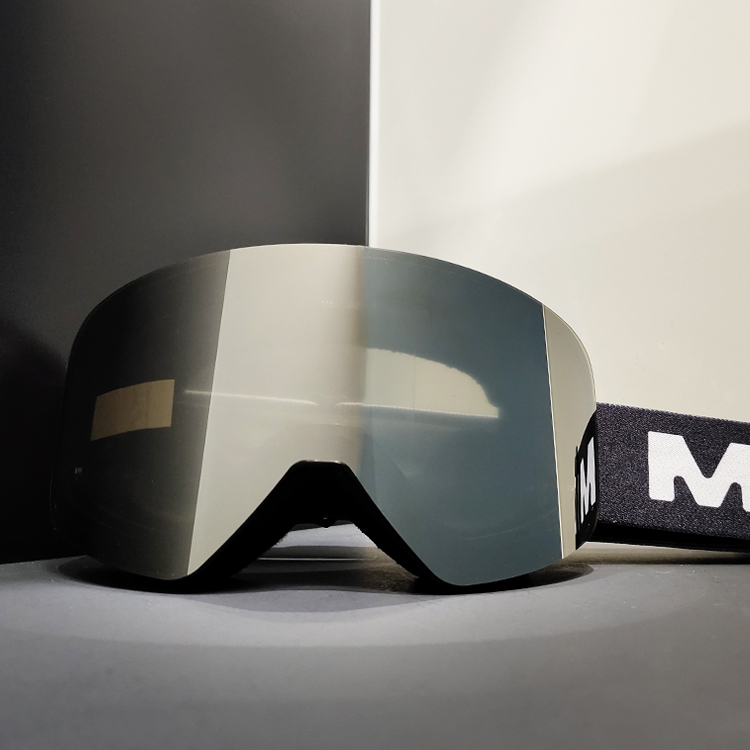
Riders need goggles that survive real hits. Start with fit, then lens security and impact absorption. Magnetic solutions changed the game — see magnetic ski goggles for a clear example of fast, secure lens swaps. This piece focuses on what riders feel on the hill and what engineers must build to match that feeling.
Where goggles fail in the field
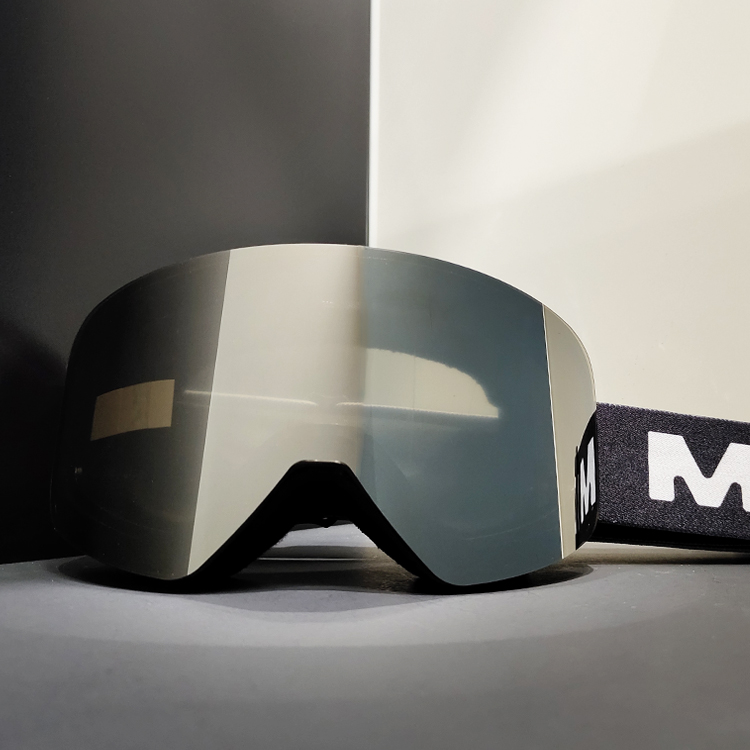
Failures cluster around high-speed crashes and stray branches. Weak frame joints let the lens pop out. Poor venting causes fog right after impact. And padding that compresses too much transfers force to the face. These are practical problems, not abstract ones. Impact absorption and anti-fog coating matter as much as looks.
Standards and the real-world anchor
Designers should aim for EN 174 compliance — the European standard for alpine ski goggles. It sets basic impact and optical criteria. On a run at Jackson Hole, engineers who followed EN 174 still saw lens delamination from side hits — a reminder that standards are a floor, not a ceiling. For most riders, a solid unisex option that meets the standard is the baseline: unisex ski goggles fit many faces and simplify testing.
Core user-driven features
Design from the face outward. Key elements: a stable frame, a reliable lens interchange system, and enough foam to seal without crushing. Add anti-fog coating and well-placed venting. Magnetic attachments reduce wear on tabs and speed swaps. OTG compatibility helps riders who wear glasses. Keep the build light. Heavy frames shift in a fall and make failures worse.
Common design mistakes to avoid
Manufacturers often chase style and skip stress testing. They favor thin clips over reinforced rails. Another mistake: too much soft foam — it looks comfortable but lets the goggle deform under load. Test mounts at different velocities — not just a slow push. Use drop tests and lateral shear tests. Real riders push gear past specs — design for that. — Small tweaks in rail geometry stop the lens from peeling out.
Material and geometry choices
Polycarbonate lenses resist shattering. Spherical lenses give better peripheral optics but need stiffer frames to hold curvature. Cylindrical lenses are simpler and cheaper to secure. Injected thermoplastic frames balance flexibility and strength. Reinforce stress points near the hinge and strap mounts. Consider replaceable bumpers where strikes concentrate.
Field testing and user feedback loop
Lab tests catch predictable failures. Field tests catch the weird ones. Run instrumented trials with GPS speed and accelerometers. Track incidents where the lens dislodges or the seal breaks. Log fit data: head shape, helmet model, strap angle. Feed that back into prototypes fast. Real riders notice subtle fit issues that labs miss.
Alternatives and trade-offs
Frameless systems look slick and aid venting, but they expose lens edges to shear. Framed systems protect edges but add weight. Magnetic mounts speed swaps, yet require redundant retention features for side hits. Balancing optics, weight, and ruggedness is a series of clear trade-offs. Choose what matters to your user profile — park rider, backcountry skier, or everyday cruiser.
Three golden rules for selection
1) Retention first: pick goggles with reinforced rails or dual retention for the lens. Metrics: peak shear force and pull-out force in lab tests.
2) Fit and seal: measure contact area and foam compression. A stable seal reduces face impact and fogging.
3) Real-world validation: prefer models with verified field tests and user reports from varied conditions — powder, ice, tree runs.
Final note
Design that protects and performs wins. Simple engineering changes — stiffer rails, redundant clips, tuned foam — prevent critical velocity failures. Trust designs proven in the field and backed by standards like EN 174. For riders who want reliable, tested solutions, companies such as YIJIA Optical bring practical, user-centered value to their gear choices. — Durable, clear, ready.