

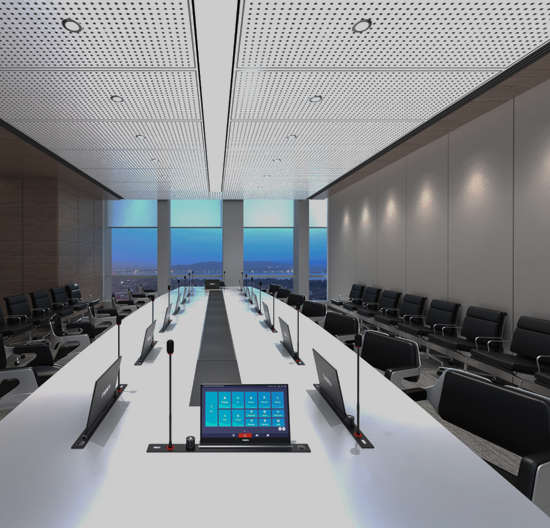
Introduction: When a Room Fails, the Meeting Fails
You can feel it the moment a meeting slips—voices echo, screens lag, and time drains away. An audio visual equipment supplier sits at the center of this story, whether the room is a board hub or a school hall. Teams lose minutes, then ideas, then trust; one study pegs average tech delays at over 10 minutes per meeting, which adds up fast across a quarter. So here’s the real question: do we blame gear, rooms, or the way suppliers match solutions to people and space (and budgets)? Bold claim, yes, but it’s where outcomes begin.

I’ve watched rooms with brand-new hardware underperform, while older spaces thrived with sharper planning. Strange, but true. The difference is not only what you buy—it’s who helps you compare and align it, from DSP paths to codec choices. We’ll look at the gaps people miss, the ones that cause fatigue and repeat tickets. Then we’ll compare paths that lead to stable, human-friendly meetings. Let’s move into the core issues and how to read them well—before you sign anything.
Hidden Pain Points a Supplier Should Surface
Where do setups go wrong?
A strong conference equipment supplier doesn’t just ship boxes. They uncover friction hidden in the flow: mic pickup zones, speech level consistency, screen legibility at the back row, and latency between click and response. Look, it’s simpler than you think—until it isn’t. Many rooms fail because the DSP chain and codec settings are generic, not tuned to room modes or speech patterns. Beamforming microphones can shine, but only if you map lobe angles to seating, not to a neat diagram. And when HDBaseT runs share paths with lighting control, you introduce noise or dropouts—funny how that works, right?
Users won’t say “our signal-to-noise ratio is poor.” They’ll say “I’m tired of asking, can you hear me?” That’s the pain. Poor gain structure makes them lean in. Bad camera framing makes them feel unseen. Power converters stacked into one strip trip PoE budgets, so devices reboot in the middle of a pitch— and yes, it shows. A thorough supplier tests echoes at peak occupancy, validates network QoS for media streams, and stages failover for soft-codec updates. If this sounds technical, it is. But the outcome is simple: clear speech, stable share, calm faces. That’s the promise you can measure.
Comparative Next Steps: Principles That Future-Proof the Room
What’s Next
Let’s shift from problems to principles. A mature approach compares old “rack-first” thinking with distributed signal intelligence. New rooms place edge computing nodes near mics and cameras to cut round-trip delay and reduce jitter. Adaptive AEC and noise classifiers now learn the room in minutes, not months. A capable meeting system manufacturer aligns these pieces so devices sync clocking, share presets, and self-report drift. This isn’t buzz. It’s how latency drops below the threshold where people talk over each other. It’s how echo fades before frustration starts.

We’ve also seen hybrid control evolve. Touch panels remain, but voice cues and occupancy sensors trigger modes with fewer taps. Network segmentation isolates AV streams, while PoE budgets are tracked live to prevent brownouts. Compare that with older setups that rely on once-a-year tune-ups and manual logs. The newer model is self-healing—alerting you before a stakeholder’s keynote. In practice, this means the same vendor helps map mic lobe width to actual seating charts, sizes amplifiers to room gain, and validates cable paths. A skilled meeting system manufacturer wraps this into repeatable templates—different rooms, same steady feel. The details change; the experience does not.
How to Choose: Three Metrics That Keep Rooms Honest
We’ve compared where rooms break and how principles fix them. Now, keep selection grounded with three checks you can run on any proposal. First, latency and speech clarity under load: ask for a live test with 20+ devices streaming and measure end-to-end delay below talk-over thresholds. Second, resilience: confirm failover paths for DSP, camera control, and content share, plus real-time alerts when PoE or network QoS dips. Third, lifecycle fit: verify that presets, firmware, and analytics roll out in waves, not blasts, with rollback plans documented. Simple list, strong filter.
Use these to look past spec sheets to human outcomes—clear voices, quick joins, no drama. The best partner won’t hide behind jargon; they’ll let you hear and see the difference in a noisy, real room. People breathe easier. Meetings end on time. Ideas land. That’s the point, after all. And when you’re ready to test these ideas in your own spaces, start with a brand that embraces these principles end to end: TAIDEN.