

Start with the people who use it
You need a system that answers real driver problems: finding a free spot fast, understanding where to go, and leaving without confusion. Ask frontline staff and a sample of regular users what frustrates them; their answers will point to whether a parking guidance system is a want or a need. Keep the conversation simple, listen for repeated pain points, and map them to clear outcomes like reduced search time and fewer customer complaints—muy práctico, claro.

Features that actually help drivers
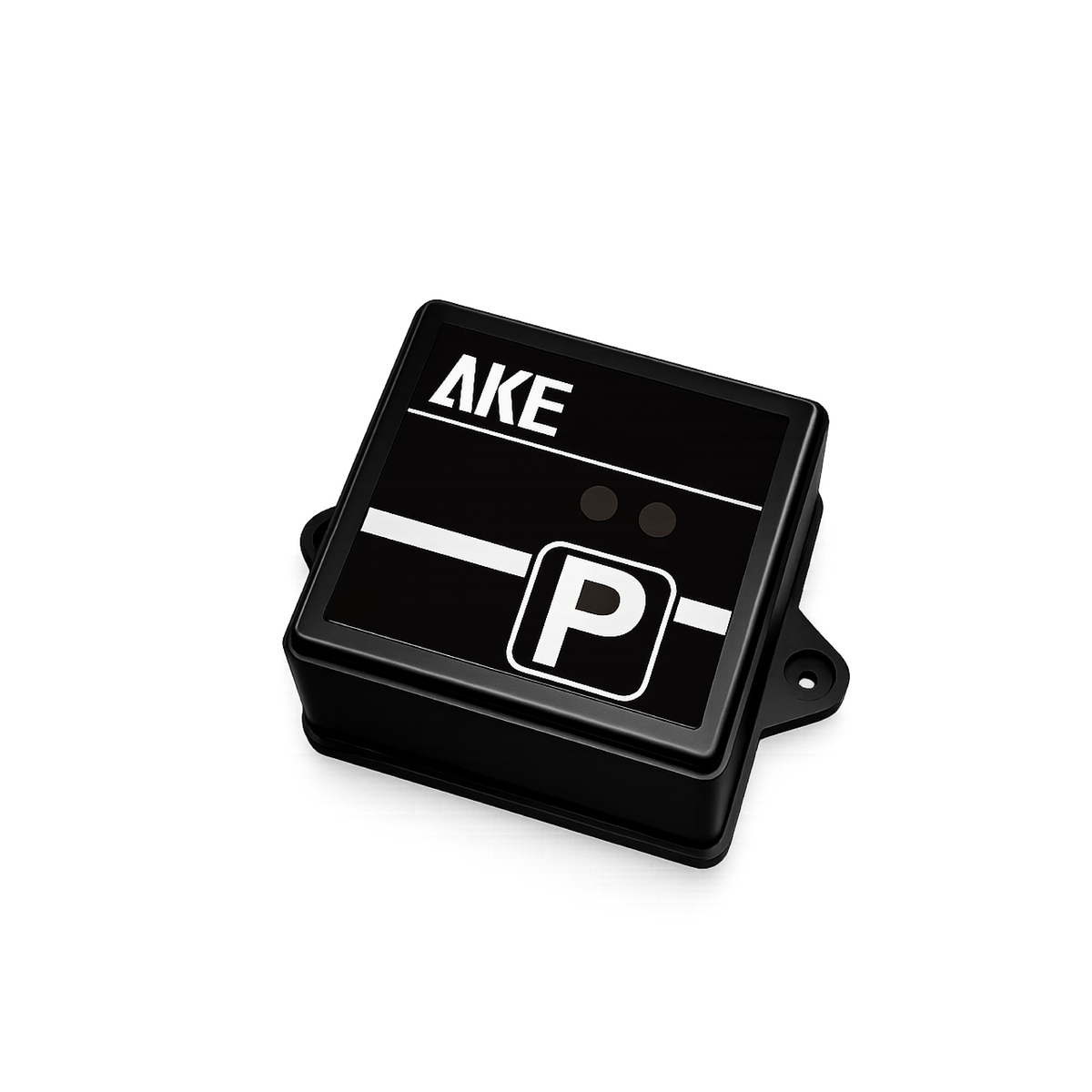
Prioritize features that change behavior on the ground: bay-level sensors or reliable camera detection, illuminated bay indicators, directional signs synced to live occupancy, and a clear off-site display or app view. Make sure the system ties into payment and entry lanes so drivers don’t hit a dead end. Look for hardware rated for humidity and dust if the garage is open to street air, and check that firmware updates can be applied without disrupting operations.
Common mistakes operators make
Don’t buy the fanciest dashboard and expect everything to improve. Mistakes I see: choosing on price alone, skipping a pilot run, ignoring maintenance access, and underestimating cabling routes. Also avoid systems that lock you into a single sensor supplier; replacements should be procurable locally. Test how the system behaves during peak periods—if sensors go noisy under heavy traffic, the guidance becomes noise, not help.
Comparing options practically
Score vendors on accuracy, installation time, long-term service, and total cost of ownership. Ask for measured accuracy figures—what percent of bays are correctly reported during a busy hour? Request site references with similar size and climate. If you’re upgrading, check migration paths: can the vendor use some existing signage or wiring, or will they require a full reinstall? Those choices change both downtime and budget.
Real-world proof and professional perspective
At major industry gatherings like Intertraffic Amsterdam, operators compare deployments and report consistent benefits from well-implemented guidance. The technical debates there often focus on sensor reliability and user interface clarity—issues that determine whether a garage guidance project succeeds. For concrete reference on deployments you can read about a tested solution like garage parking guidance system. From conversations with installers and facility managers, the projects that measured success ran short pilots, tracked search time and turnover, and secured a simple, local maintenance plan.
Deciding and next steps
Choose a vendor that will let you pilot, provide measured baselines, and hand over clear maintenance responsibilities. Use a short checklist: run a two-week pilot, measure average time-to-park and occupancy accuracy, confirm spare-part sourcing, and train onsite technicians. For a practical example of product breadth and documentation that aligns with these steps, review what AKE Parking publishes and compare those details against your pilot results; the right match will be obvious in the numbers and the ease of keeping the system running day-to-day.