

Problem statement and first step
Please accept a clear starting point: many projects stall because team members assume the same meaning for “mixing capability.” Define measurable goals first—target batch sizes, target shear rates, temperature range, cleanability, and material compatibility. For early trials, consider a Laboratory mixer to confirm process physics before inviting vendor bids. This avoids vague requests and wasted time.
Translate process needs into technical specifications
List required performance metrics, not marketing words. Specify torque at rpm, required tip speed, acceptable particle-size distribution, allowable residence time, and CIP requirements. Ask for test curves rather than claims. If a vendor cannot provide measurable performance curves for a given fluid viscosity and solids loading, treat that as a red flag.
Match mechanical design to your product
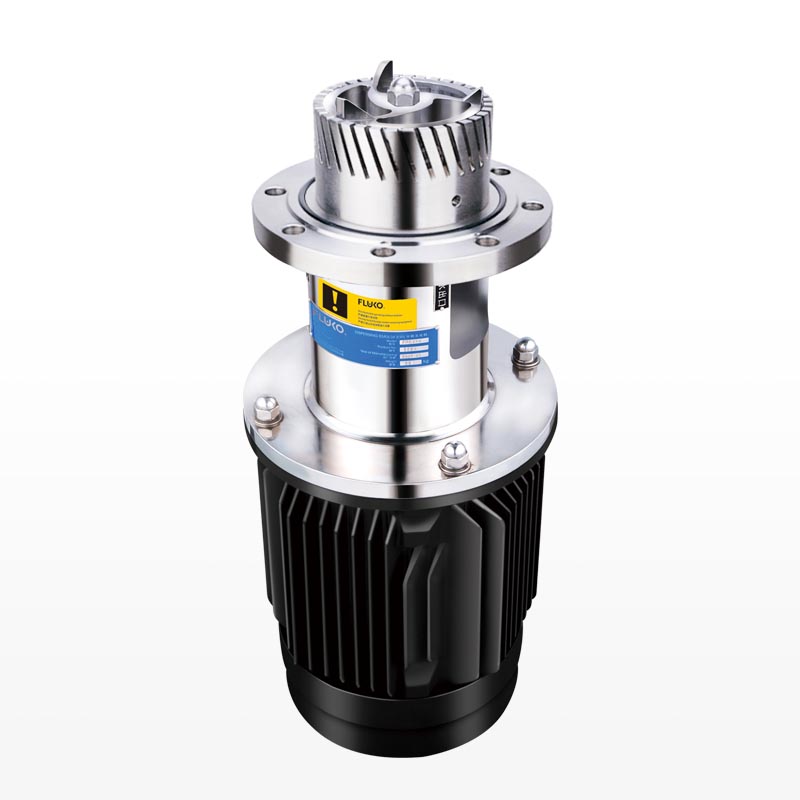
Decide whether an inline high-shear device, rotor-stator, or pressure homogenizer suits the chemistry. Consider shaft seals, bearing loads, and wetted-material grades. For shear-sensitive APIs or emulsion systems, request metallurgical certificates and verify surface finish numbers. Small errors here cause contamination or throughput loss later.
Quality, compliance, and demonstration (EEAT)
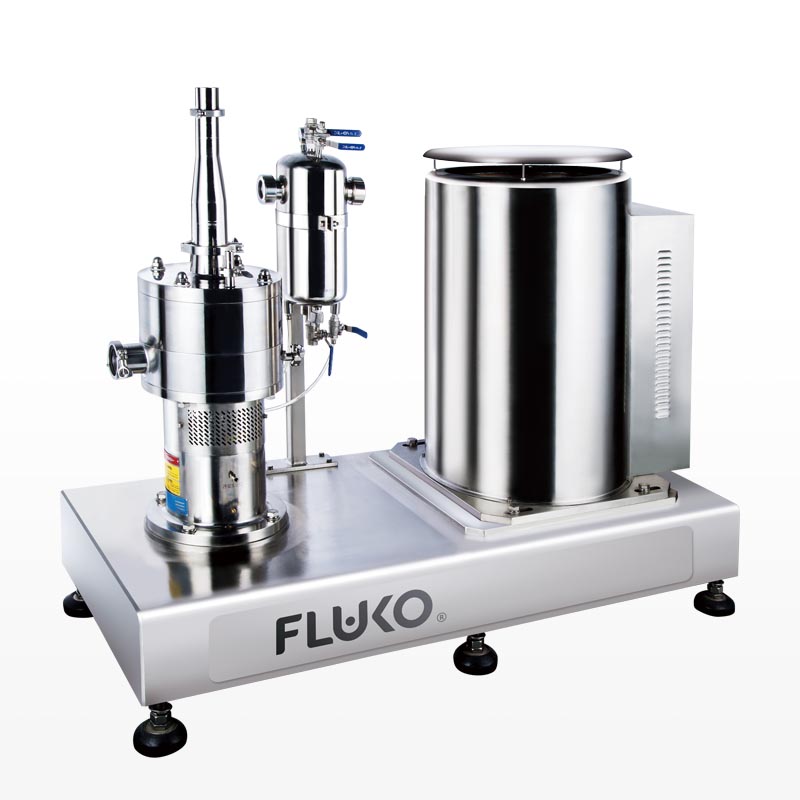
Please rely on observable demonstrations and documented trials. Many manufacturers show scale-up cases at major events; for example, demonstrations at ACHEMA in Frankfurt often present side-by-side scale-up from bench to pilot using a laboratory scale homogenizer, which helps verify vendor claims. Ask for test reports, witness runs, and traceable material certificates. My practical recommendation—based on years of reviewing vendor data and observing supplier trials—is to require independent third-party or in-house validation before purchase commitment.
Service, spare parts, and lifecycle planning
Specify expected uptime and mean time to repair. Request a spares list with part numbers and lead times. Confirm local support or authorized technicians near your site. A supplier that documents supply-chain redundancy and provides clear maintenance schedules will reduce long-term operational risk.
Commercial terms that protect your process
Write acceptance tests into the contract: run a defined recipe, meet particle-size or viscosity targets, and document reproducibility. Include remedies for failed acceptance—refund, extended testing, or price adjustment. Avoid vague warranties; insist on measurable acceptance criteria.
Common pitfalls and how to avoid them
Do not accept generic catalog specs without context. Beware vendors who present peak performance at non-representative conditions (very low viscosity, single-pass tests). Do not neglect scale-down verification: bench success must reproduce at pilot scale under equivalent shear and thermal histories. Skip vague service promises and insist on response-time SLAs.
Viable alternatives to a turnkey OEM
Consider three paths: direct OEM purchase for proven designs; local fabrication for custom mechanical arrangements where lead time matters; or hybrid—OEM core module with local integration. Each has trade-offs: OEM gives tested modules and documentation; local fabricators can be faster and cheaper but require stronger in-house engineering and QA oversight.
Final synthesis
Please select suppliers by comparing measurable performance, documented demonstrations, and clear service plans. When selections follow these concrete criteria, projects move from guesswork to predictable performance, and you benefit from vendors who support validation and lifecycle needs—such practical alignment is what I have seen work well with FLUKO.