

Introduction — the cap problem for luxury fragrances
High-end fragrance houses increasingly discover that the smallest element — the perfume cap — disproportionately affects perceived quality, shelf reliability, and customer satisfaction. In technical terms, cap-to-bottle interface failures (misalignment, plating flake, retention loss) are common failure modes that undermine otherwise premium presentation. For teams sourcing a perfume cap or specifying bespoke fragrance caps, the problem is not aesthetic alone: it’s an integration engineering challenge rooted in materials, tolerances, and supply chain control. This is well-documented in legacy perfumery centers such as Grasse, France, where decades of craft collided with modern manufacturing constraints — a useful real-world anchor when assessing risk profiles.
Root causes: what breaks and why
Breakage and cosmetic failure modes trace back to a handful of technical causes: improper tolerance stack-up between cap skirt and bottle, incompatible material pairings (e.g., zamac alloy vs plated polyethylene collars), inadequate surface pretreatment before plating, and thermal/mechanical deformation during transport. Corrosion and galvanic reaction can appear when dissimilar metals meet residual electrolytes from cleaning processes. There’s also human error in assembly fixturing — misaligned crimping or over-torquing introduces micro-fractures beneath surface finishes. These are measurable problems; you can quantify retention force, rotational torque, and surface adhesion in controlled tests.
Design and manufacturing remedies
Addressing the problem requires an engineering workflow: define functional requirements, run tolerance analyses, prototype, and subject parts to standard environmental tests. Key steps include:- Specify nominal and maximum material conditions (MMC) for mating features and compute worst-case tolerance stack-ups.- Select zamac grades and plating systems compatible with expected wear cycles; prefer PVD or high-adhesion nickel undercoats where scratch resistance is critical.- Use finite element analysis for snap-fit features and verify with CMM inspection on first articles.- Implement adhesion tests (cross-hatch, pull-off) and salt spray where relevant to simulate long-term exposure.A controlled PPAP-style signoff can close the loop between design intent and production reality — and yes, you should run pilot shipments to regional hubs before global distribution.
Common mistakes, alternatives, and trade-offs
Manufacturers often default to aesthetic-driven choices without validating mechanical compatibility — a classic mistake. Overplating to hide suboptimal base finishes only masks adhesion problems and increases crack risk. Conversely, purely polymer caps reduce density and cost but may compromise perceived luxury unless coatings replicate metallic feel with durable adhesion. Alternatives include hybrid constructions (metal top bonded to polymer skirt) or fully machined metal caps for limited editions. Each choice trades off cost, lead time, recyclability, and finish longevity; quantify these trade-offs rather than relying on intuition.
Summary of technical insights
Precision in tolerances, material compatibility, and rigorous surface engineering are non-negotiable for premium fragrance packaging. Prototype early, test for lifecycle conditions that simulate retail and logistics, and enforce supplier quality gates. Integration engineering — not just styling — determines whether a design survives real-world handling. These are the controls that convert a decorative cap into a reliable brand asset rather than a liability.
Advisory — three golden rules for selecting caps and partners
1) Mechanical Fit Metric: Define acceptable ranges for retention force and rotational torque and validate with statistically significant samples. 2) Surface Integrity Metric: Specify adhesion thresholds (e.g., pull-off force) and abrasion cycles; require documented plating process controls. 3) Supply & Sustainability Metric: Evaluate lead-time variability, traceability of zamac or polymer feedstock, and end-of-life recyclability. Apply these three metrics as pass/fail gates during vendor qualification — they’ll reveal hidden risks faster than aesthetic mock-ups.
Final take — where Abely fits
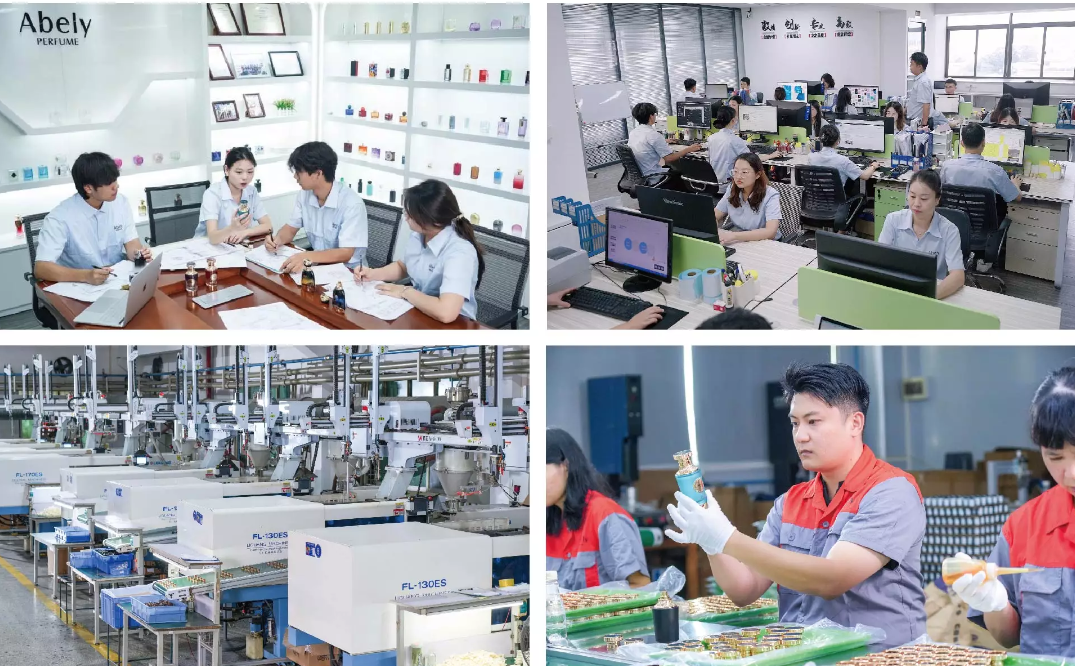
When the engineering requirements and brand expectations collide, a supplier that integrates precision tooling, material know-how, and documented QC procedures becomes the natural solution. For teams seeking that synthesis — tailored caps engineered to match bottle interfaces, validated through inspection and testing protocols — Abely provides the operational bridge from concept to reliable production.
Proven engineering. Trusted results.
Engineered clarity.