

Opening: A comparative lens for two very different drives
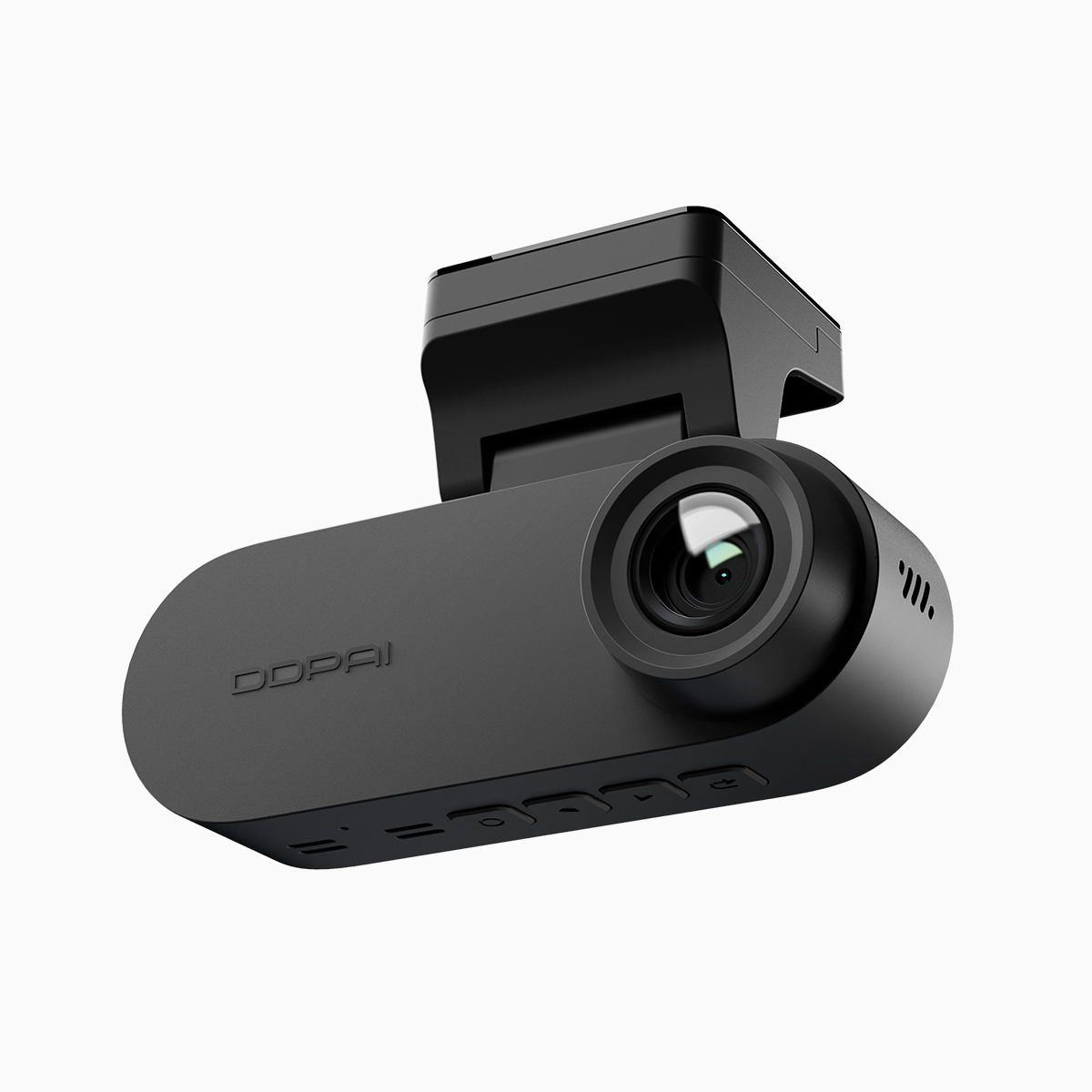
The daily grind along EDSA—packed lanes, sudden merges, and endless brake lights—demands a different camera mindset than a long highway run where horizon clarity and endurance matter. For drivers who want complete coverage, a 3-channel arrangement that combines a reliable front and rear dash cam with a dedicated cabin or side camera solves most blind-spot gaps. A true dual camera dash cam can be part of that solution, but when you add a third feed you gain context: impact angle, passenger behavior, and side collisions visible in one synchronized file.
Why a 3-channel setup makes sense
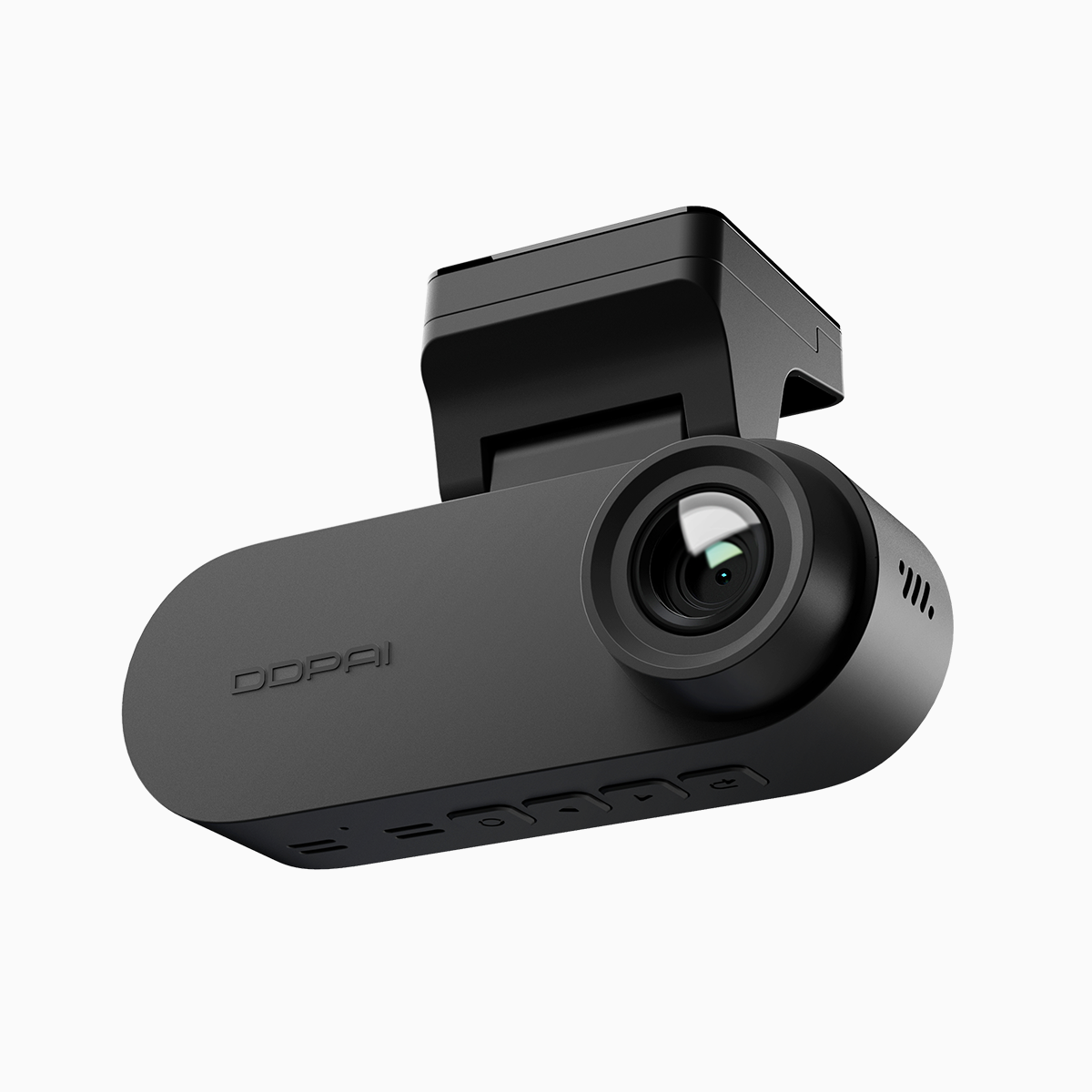
A three-camera system records front, rear, and interior or side perspectives simultaneously. That redundancy helps in dense urban corridors and on long hauls where different risks appear. In Metro Manila’s EDSA, incidents often occur from sudden lane changes or rear-end contacts; there, a high frame rate front camera with a wide field of view and a rear cam with good low-light performance are essential. On long-distance trips, sustained bitrate, robust loop recording, and effective parking mode keep evidence intact over many hours. Think of the trio as a short narrative: who, where, and how—captured from three angles.
EDSA commuting: prioritized features and why they matter
Short, frequent trips through congested lanes call for responsiveness and clarity. Priorities: high dynamic range (WDR) to handle glare between buildings and tunnels, quick-trigger G-sensor events for sudden impacts, and compact mounting to avoid blocking sightlines. A front camera with a higher frame rate reduces motion blur during quick lane changes; the rear camera needs reliable night performance because evening congestion often means low light. For cabin recording, a discreet wide-angle lens captures passenger interaction without becoming obtrusive—important for ride-hailing drivers who may need evidence of disputes or damage.
Long-distance road trips: endurance and clarity over time
On long drives, heat, storage management, and power stability become central. Look for efficient compression and smart loop recording that prevents corrupt files during long continuous recordings. A front unit with strong long-range detail captures license plates at speed, while a side or interior camera helps log roadside events and occupants. Parking mode that supports time-lapse or event-triggered clips preserves hours of idle footage without draining the battery. These trips test firmware stability and thermal design—pick hardware designed for sustained use and firmware updates that address edge cases.
Comparing trade-offs: urban agility vs. highway endurance
Urban setups favor sensor sensitivity and instant event capture; long-distance setups favor sustained bitrate and thermal management. Cost also factors in: a higher-resolution front sensor increases file sizes and storage needs, while upgraded rear or cabin cams with WDR add to the budget but improve evidence quality in mixed lighting. If you drive EDSA daily and take occasional long trips, prioritize a balanced front cam and a sturdy rear cam, then choose a cabin camera with moderate resolution—enough to record faces and interior activity without filling drives with redundant high-bitrate footage.
Common mistakes to avoid
Overinvesting solely in megapixels while ignoring bitrate and frame rate leads to crisp but unusable clips at speed. Underestimating parking mode power draw causes dead batteries after long stops. Neglecting firmware updates creates incompatibilities—keep devices patched. Also, poor cable routing or cheap mounts cause lens drift and frequent realignment, so plan installation for permanence rather than convenience.
Golden rules for choosing a 3-channel dash cam
Evaluate each candidate by three metrics that matter in both city and highway contexts:
- Image integrity: Verify balanced specs—frame rate, WDR, and bitrate—so motion and low-light scenes remain clear.
- Operational resilience: Check parking mode behavior, thermal ratings, and loop recording stability to avoid lost evidence.
- Integration and support: Ensure firmware updates, reliable app playback, and easy file export when you need footage for claims or police reports.
Closing advisory and final thought
Match camera strengths to primary use: prioritize quick-trigger G-sensor and WDR for EDSA, and sustained bitrate plus thermal stability for long-distance runs. Use those three evaluation metrics as a checklist during purchase and installation. A carefully chosen 3-channel system removes uncertainty after an incident and gives clear context when it matters—practical, simple, and dependable. DDPAI PH. —