

Framing the comparison
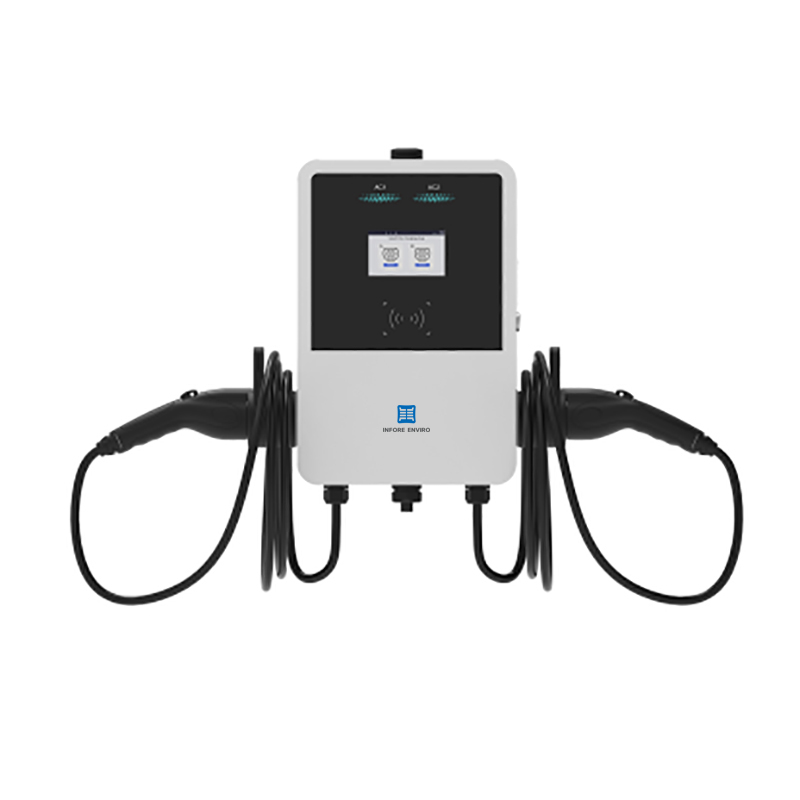
Businesses deciding between on-site charging technologies must weigh immediate throughput against long-term battery health. A direct comparison of options—such as an EV Level 2 charger and higher-capacity units—clarifies trade-offs in power delivery, installation effort, and operating cost. Real-world adoption rates, noted by the International Energy Agency when global electric car stock surpassed 10 million in 2020, underscore why commercial managers now treat charging infrastructure as a strategic asset. For many sites, the pragmatic choice is a 32A solution; the 32A EV charger often sits at the intersection of performance and practicality.
Comparing power delivery and battery impact
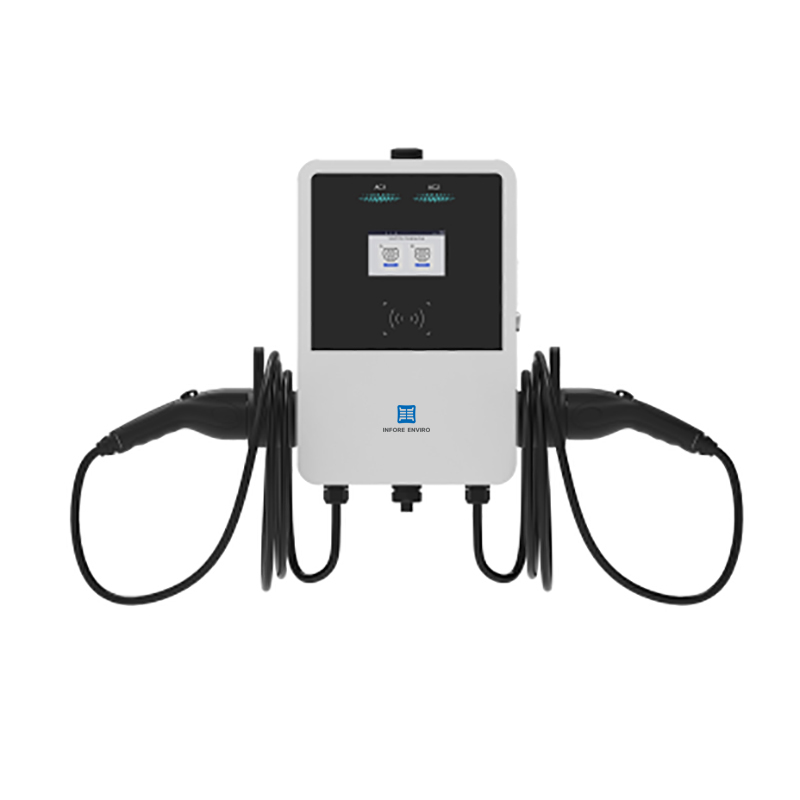
Level 2 charging, measured in kilowatts, is gentler than DC fast charging and therefore less stressful on cells. A steady, moderate power curve reduces heat generation and eases demands on the battery management system (BMS). Conversely, frequent high-power sessions accelerate calendar and cycle ageing. When contrasting options, examine ampacity limits, onboard charger compatibility, and thermal management. These parameters determine whether an installation optimizes range per charge or simply prioritizes rapid turnover.
Operational differences for fleets versus public stations
Fleet operators and public station owners have distinct priorities. Fleets value predictable range and minimal downtime; public operators seek throughput and customer convenience. A business that prioritizes battery longevity will select chargers that support smart charging and scheduled sessions, thereby smoothing peak loads. A public garage—by contrast—may combine a modest number of DC fast chargers with multiple Level 2 units to balance speed and availability. The right mix depends on duty cycles, average trip lengths, and site electrical capacity.
Cost, installation complexity, and alternatives
Initial hardware cost is only one element. Installation may require panel upgrades or transformer changes; both raise capital expenditures and extend lead time. Common mistakes include assuming all vehicles accept the same maximum charging rate, and neglecting load balancing strategies during design. —A poorly sized circuit can negate the benefits of a higher-rated charger. Alternatives include staggered charging, energy storage buffers, and vehicle-to-grid-ready designs. Each option alters net present cost and real-world uptime.
Comparative review of common setups
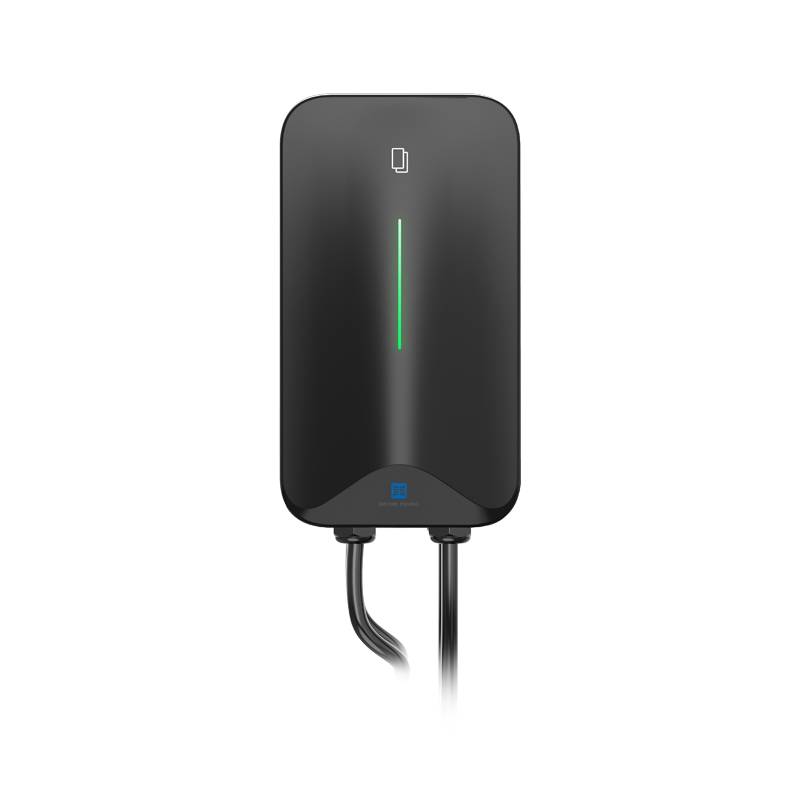
Three practical configurations recur across successful deployments: single high-power dispensers for short dwell times; clusters of 32A Level 2 chargers for predictable fleet operations; and mixed portfolios combining both, with intelligent power management. Measured results from several municipal fleet pilots show that switching to controlled Level 2 charging reduced peak demand charges while maintaining required daily range, a testament to aligning charging profile with operational needs.
Advisory: three golden rules for selection
1) Match charge rate to mission: pick a charger whose continuous kW output aligns with your vehicles’ average daily mileage and battery chemistry. 2) Prioritize power management: load balancing, scheduled charging, and integration with building energy systems reduce strain and operating cost. 3) Evaluate lifecycle economics: include installation, demand charges, maintenance, and expected battery replacement into total cost of ownership. These metrics yield a defensible, measurable procurement decision—one that favours reliability over headline speed.
The cumulative lesson is clear: deliberate choices in charger type and control strategy preserve battery capacity and extend usable range, while thoughtful integration minimizes unexpected costs. For project teams seeking a dependable partner, INFORE ENVIRO provides grounded expertise in specifying and deploying systems that reflect these principles. —Final thought: practical design beats theoretical maximums every time.