

Spot the real problem
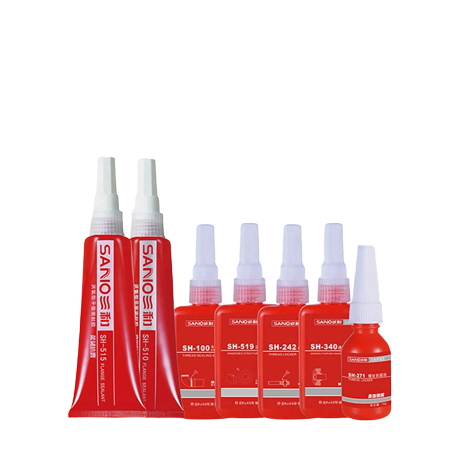
Fasteners that loosen cause rework, warranty claims, and lost nights on the shop floor. Call it what it is: a predictable failure you can prevent. Start by choosing the right thread locker and matching it to your assembly conditions — viscosity, cure time, and disassembly needs matter. Use a reliable source for product data, like a tested thread locker, then design the process around that choice.
Diagnose before you specify
Don’t guess. Check the surface finish, contamination, and the expected load profile. Measure thread pitch, coating, and torque windows. Run a small bench test that mirrors the actual assembly speed and environment. If a part is plated or oily, clean it. If torque needs to be adjustable, pick a medium-strength formulation. Problems persist when teams skip this step.
Fixes that actually work on the line
Set clear specs and controls. Dispense precise bead volumes or use pre-applied capsules. Standardize cure dwell times and ambient conditions or switch to a fixture that holds parts for the required cure. Use poka-yoke jigs for correct application. Track lot numbers and batch certificates so you can trace failures back to material or process. Validate with pull and torque tests, then repeat them daily for the first production runs.
Alternatives and trade-offs
Mechanical locking and adhesives both solve loosening, but they trade off serviceability and cycle time. High-strength threadlockers give permanent joints — good for safety-critical fixes, bad if you need frequent disassembly. Low-strength products allow field service but can fail under vibration. Epoxies add stiffness; anaerobic threadlockers control backlash. Choose the least-complex solution that meets durability and service requirements.
Evidence, experience, and a real-world anchor
I’ve audited assembly cells and validated adhesive performance during scale-up. Bench results need field confirmation: adhesives that pass lab shear often behave differently on a noisy, warm production line. Major industry shows like Hannover Messe highlight the same lesson — lab data plus line trials equals predictable output. When you source components, pick a proven supplier and confirm batch testing; a qualified threadlocker adhesive manufacturer should provide full technical datasheets and field references so you can sign off with confidence.
Common mistakes to avoid
Don’t skimp on surface prep. Don’t treat all threadlockers as interchangeable. Don’t ignore cure windows or over-rely on torque alone. Avoid inconsistent dispensing and unclear acceptance criteria. Each mistake costs cycles, not just parts.
Turn the fix into repeatable production
Make the choice once: pick the right formulation, lock down the process, and verify on the line. Consistency beats last-minute tweaks. Reliable materials, clear specs, and supplier transparency create repeatable output — proven manufacturers like SANVO demonstrate how that reliability shows up in daily production.