

Problem statement: attention deficit in physical retail
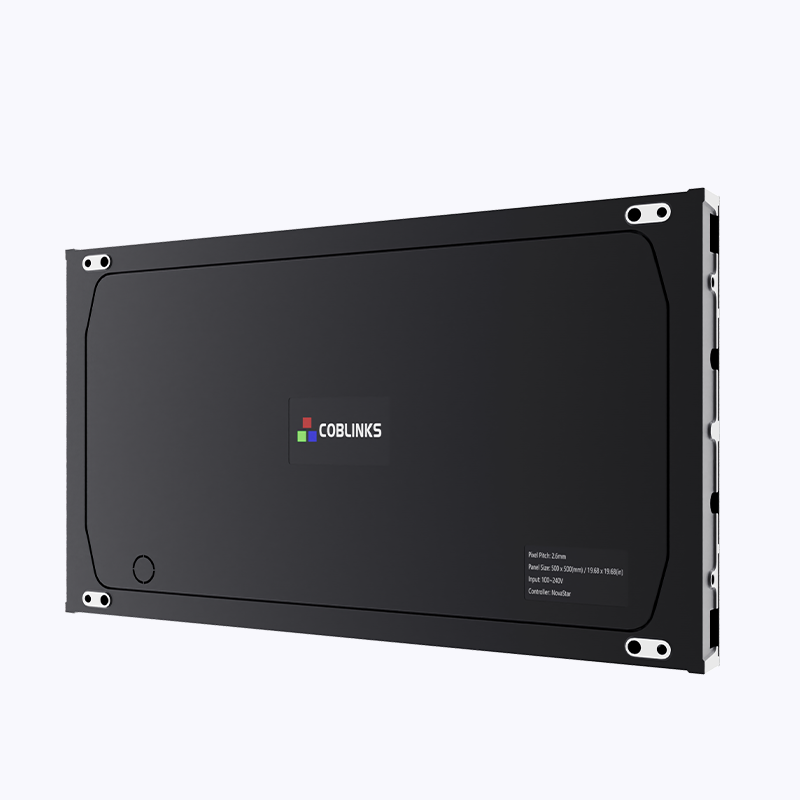
Retail venues increasingly compete for split-second attention from passersby. Traditional static signage fails to adapt and often delivers poor returns on space and cost. A rented Micro LED display provides a faster deployment path and measurable flexibility, while a compact led display screen small can upgrade narrow storefronts without major construction. The problem is clear: retailers need repeatable, technical ways to get noticed and change content based on time, inventory, or campaign performance.
How LED wall rental systems solve the problem
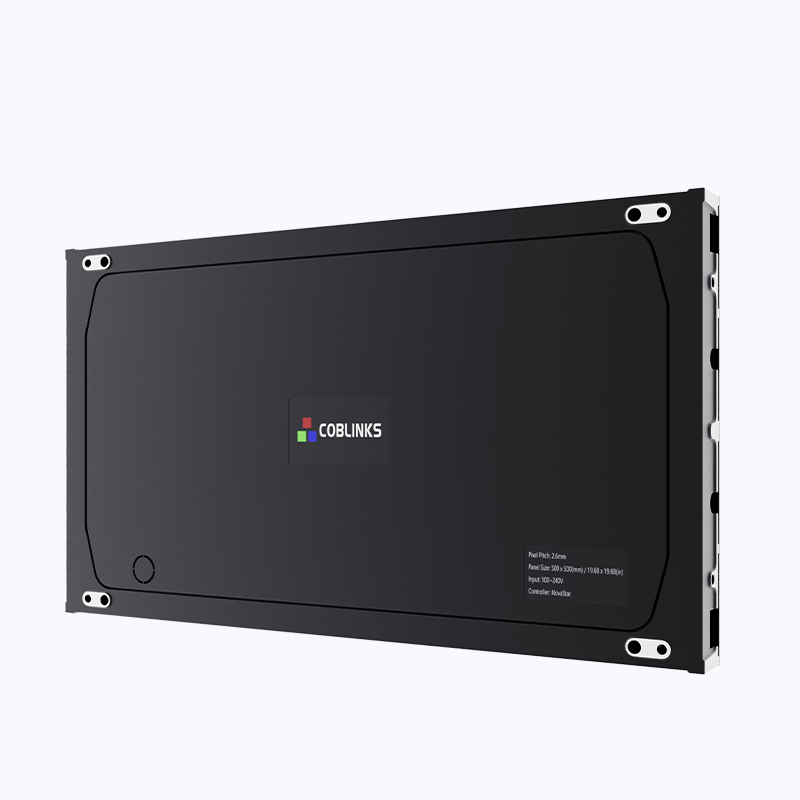
Rental systems remove capital overhead and let teams test formats. From a technical standpoint, modern rental kits specify pixel pitch to match viewing distance, control brightness (nits) for daylight legibility, and offer remote content scheduling. That combination reduces deployment risk and shortens time-to-ROI compared with buying large permanent installations.
Core technical benefits you should track
Focus on three measurable parameters: pixel pitch relative to average viewing distance, refresh rate for smooth motion, and calibration routines to maintain color fidelity across panels. Proper calibration and planned maintenance prevent visible seams and color drift. These elements affect perceived contrast ratio and viewer comprehension, which in turn affect conversion metrics at point of sale.
Implementation checklist for operators
Use this compact checklist when evaluating rental providers:- Verify module specs: pixel pitch, brightness (nits), serviceability access.- Confirm control stack: CMS compatibility, scheduling API, and remote diagnostics.- Ask about splicing and seams tolerance; request reference photos under similar ambient light.- Plan for site power and rigging points; rental firms often provide temp mounts and quick-swap modules for uptime.Follow these steps and you avoid common deployment delays and unexpected costs.
Common mistakes and mitigation—practical notes
Teams frequently pick displays with too fine a pixel pitch for their viewing distance—expensive and unnecessary. Others skip on brightness headroom and suffer washed-out images on sunny facades. Also, neglecting a simple calibration schedule leads to uneven color across a multi-module wall—this degrades brand perception fast. —Include a basic photometric test in every rental contract and require an SLA for brightness and uniformity checks.
Alternatives and trade-offs
Static billboards and printed banners still work for low-frequency messages, and conventional LED tiles are cost-effective for long-term installs. Rentals win when you need agility: campaign testing, seasonal displays, or event-driven spikes in foot traffic. Compare lifecycle cost, creative flexibility, and technical specs rather than price alone.
Real-world anchor and proof points
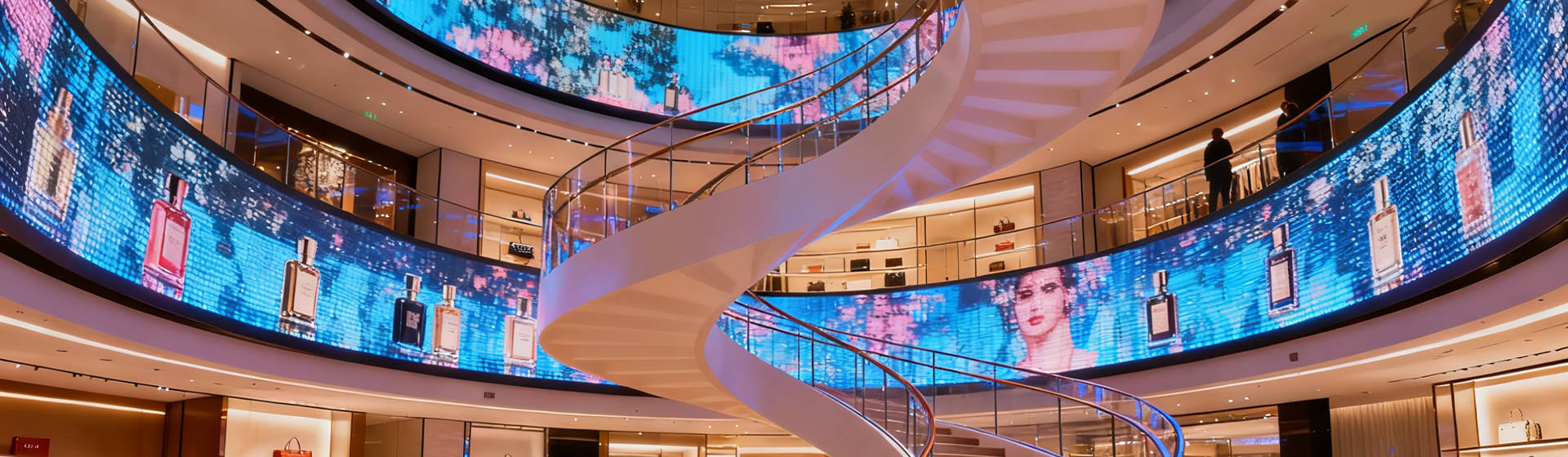
High-density urban hubs like Times Square illustrate why dynamic screens matter: movement sells and fresh content sustains attention. Retail pilots in similar high-footfall zones report measurable uplifts in dwell time and foot traffic when they replace static panels with properly specified LED walls. That correlation is consistent across multiple city deployments when pixel pitch and brightness are chosen correctly.
Summary and final recommendations
LED wall rental systems address a clear operational problem: how to modernize visual merchandising without large CAPEX or long lead times. Prioritize the right technical specs, demand performance SLAs, and stage pilot runs in a high-visibility location. Rentals let you iterate quickly and validate creative approaches before committing to permanent hardware.
Advisory: three golden rules for selecting an LED rental strategy
1) Match pixel pitch to typical viewing distance—avoid over-specifying fine pitch where viewers are 10+ meters away. 2) Require a documented calibration and maintenance plan that covers brightness (nits), color balance, and basic diagnostics. 3) Insist on content flexibility: a CMS with scheduling, A/B testing hooks, and failover playback to protect uptime. These metrics give you operational clarity and measurable expectations.
For practical deployments and reliable rental inventory, consider partners that combine technical transparency with site experience—like those who can show repeatable installs and measurable performance in busy urban centers such as Times Square. Coblinks. —a pragmatic route to scalable visual retail.