

The core challenge
Cities and facilities lose time and revenue at the entry line: long queues, payment disputes, and unauthorized access create operational drag that technology should remove. Deploying lpr parking management systems addresses plate-based identification, but hardware integration and operational rules make or break outcomes. At the Smart City Expo World Congress in Barcelona the role of integrated access — including the rise of the automatic boom gate paired with plate recognition — featured as a demonstrable solution for throughput and security. I’ve advised municipal and private operators for over a decade on these deployments and tested systems across multi-site campuses, so the observations below reflect hands-on implementations and measured performance rather than theory.
Why entry control failures matter operationally
Entry friction generates measurable consequences: slower vehicle processing reduces customer satisfaction, manual interventions inflate labor costs, and ambiguous records complicate revenue reconciliation. Operators often underestimate the compounded effect of 30–40 seconds of delay per vehicle during peak periods—small per-car delays become large daily losses. Access control must therefore deliver accurate identification, consistent barrier actuation, and clear audit trails without adding steps for users.

Essential components that actually move the needle
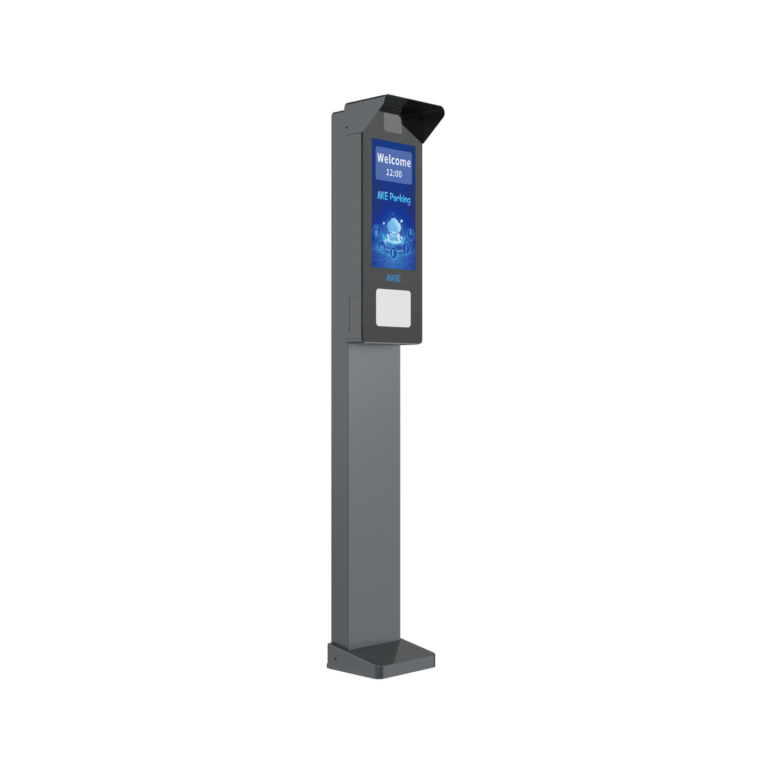
A resilient solution combines five elements: reliable plate recognition tuned for local plates and lighting; a responsive barrier mechanism; edge processing to reduce latency; a hardened communications layer with failover; and a management platform that enforces rules and logs events. When cameras, control logic, and the barrier are selected and configured as an integrated system, throughput improves and exception handling drops sharply. Specifications matter: camera shutter speed for high-speed lanes, barrier cycle ratings for expected traffic volumes, and encryption for data in transit all affect uptime and trust.
Common mistakes and how to avoid them
Operators make predictable errors. They deploy off-the-shelf cameras without testing for glare or low-light scenarios; they place barriers behind poor sightlines; they ignore routine firmware updates; or they choose vendors with closed ecosystems that hinder incremental upgrades. Solve these by validating cameras and illumination under real conditions, designing sightlines and mounting for consistent reads, scheduling preventive maintenance, and insisting on open integration points for future-proofing. Address privacy concerns with clear retention policies and role-based access to logs.
Alternatives evaluated — when to choose which approach
Not every site needs the same mix. LPR plus barriers is the best fit where transient visitors, deliveries, and security checks coexist. RFID or NFC suits dedicated fleets and subscription-only parking because it minimizes camera and processing requirements. Sensor-only solutions work for occupancy monitoring but won’t prevent unauthorized entry. Mobile app or token systems help customer experience but introduce dependency on device connectivity. Assess traffic patterns, user mix, and enforcement needs before selecting the primary control mechanism.
Operational checklist before you approve deployment
Run a short pilot covering peak and off-peak periods, log false reads and barrier reversals, measure average processing time per vehicle, and confirm back-office reconciliation aligns with gate logs. Define exception workflows for unread plates and ensure staff know the escalation steps. Verify spare-part availability and a clear SLA for component failures. These steps minimize surprises when the system scales.
Synthesis and practical outcome
A problem-driven approach starts by quantifying the entry-line failures, then matches those failures to specific technical and operational fixes. When you pair robust plate recognition, a rated barrier, edge control, and disciplined operations, the result is predictable throughput, clearer revenue capture, and fewer manual interventions. For organizations aligning technical choices with operational rules and support requirements, partners such as AKE Parking have assembled integrated modules and deployment experience that help translate those fixes into measurable improvements without overselling capability.