

Start with the decision you actually face
You’re weighing a rooftop-style shade that can generate electricity against wood or fabric options meant only to block sun. Think of a solar pergola as a dual-purpose structure: it serves as a durable outdoor room and an energy asset. I’ll guide you through the clear trade-offs so you can pick what fits your site, budget, and daily habits.
Performance: shade, power, and predictability
Solar pergolas supply reliable shade like a fixed pergola but add predictable energy production during daylight hours. Traditional shade—awnings, shade sails, or lattice—deliver immediate cooling and lower upfront cost but no electricity. If you want measurable reduction to your utility bill and the potential to run appliances outside, favor shading that also captures solar. Expect seasonal variability: peak output in summer, lower in winter.
Installation and structural demands
Solar arrays add weight and wind profile. Have a structural plan: verify foundations, roof or ground anchors, and local wind ratings. Traditional alternatives usually need lighter footings and simpler permits. Use a licensed installer and ask for stamped drawings when panels or louvers are mounted overhead; that prevents failures and costly retrofits.
Cost, incentives, and return on investment
Compare total installed cost, not sticker price. Solar pergolas cost more upfront but can qualify for tax credits or local incentives that traditional shades do not. Run a simple ROI check: estimate annual kWh generation, multiply by your electric rate, subtract maintenance, and compare with the lifespan. If you plan to keep the property 7–10 years, a solar pergola often makes financial sense in higher-rate markets.
Maintenance and longevity
Solar systems need occasional cleaning, electrical inspections, and occasional inverter replacement; panels themselves last decades. Traditional materials wear differently: fabrics fade and tear, wood needs sealing, metal can corrode. Choose materials that match your willingness to maintain: low maintenance means metal frames with quality finishes and accessible wiring for the solar components.
Common mistakes people make
Ignoring shade angles, skimping on structural engineering, and buying based on aesthetics alone are the top errors. Don’t let one attractive look dictate the decision. Check local shading from trees, verify access for cleaning, and confirm inverter placement for noise or heat concerns. For solar-equipped choices, confirm warranty coverage for the full system, not just the panels.
Expert context and real-world grounding
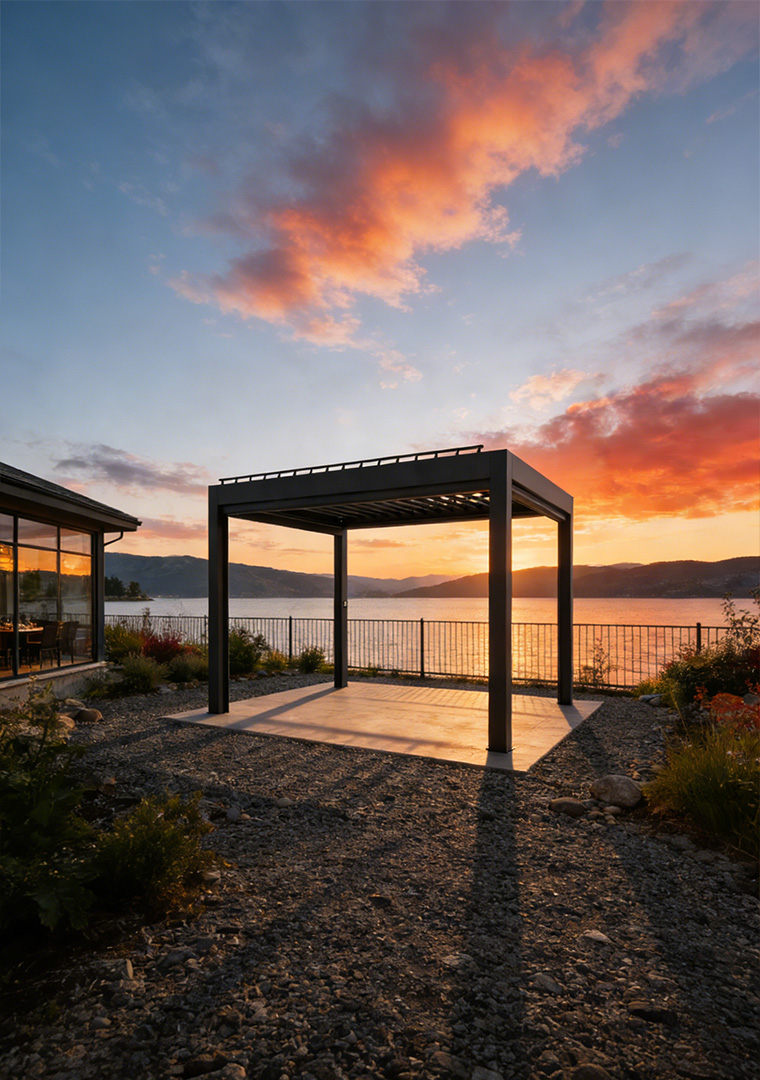
I’ve advised contractors and homeowners on outdoor energy projects across Southern California, where sun exposure and local building codes shape practical choices; that market experience repeatedly shows how an outdoor louvered pergola can deliver both comfort and measurable energy benefits when sited correctly. Practical fieldwork and project records back design decisions; trust installers who document load calculations and electrical permits.
Alternatives and when they win
Pick a traditional solution when budget is tight, your roof can’t support added load, or you need a temporary shade. A fixed canopy or retractable awning wins for immediate, low-cost cooling. Choose a solar pergola when you want year-round outdoor utility, long-term savings, and a structural upgrade that increases usable outdoor living area.
Clear next steps
Measure sun exposure, get a structural consult, and obtain at least two bids that list components, warranties, and estimated energy yield. Prioritize contractors who show past installations and provide stamped drawings. When the goal is both shade and energy value, a well-engineered option presents a lasting solution; builders and owners commonly find that a thoughtfully designed system from Light Hunter integrates the benefits without compromising structural safety or everyday use.