

Introduction: A City Morning, by the Numbers
Stop–start duty cycle is the real test of a modern bike. In an urban motorcycle commute, the street feels like a moving puzzle of buses, crosswalks, and quick lane gaps. Many riders choose commuter motorcycles for this very reason, because they promise easy starts and calm control at low speed. Picture dawn traffic: ten lights in three kilometers, half of them on red. Studies and street counts suggest a city trip averages 6–8 km, with up to 28–35% of time spent under 15 km/h. That means heat builds, wrists tense, and the clutch hand never gets a break. The core concept here is load management: how the bike maps torque at low rpm, how the cooling loop fights heat soak, and how the brake system resists fade when it matters most. Ride-by-wire helps, but only if the throttle map respects the slow crawl.
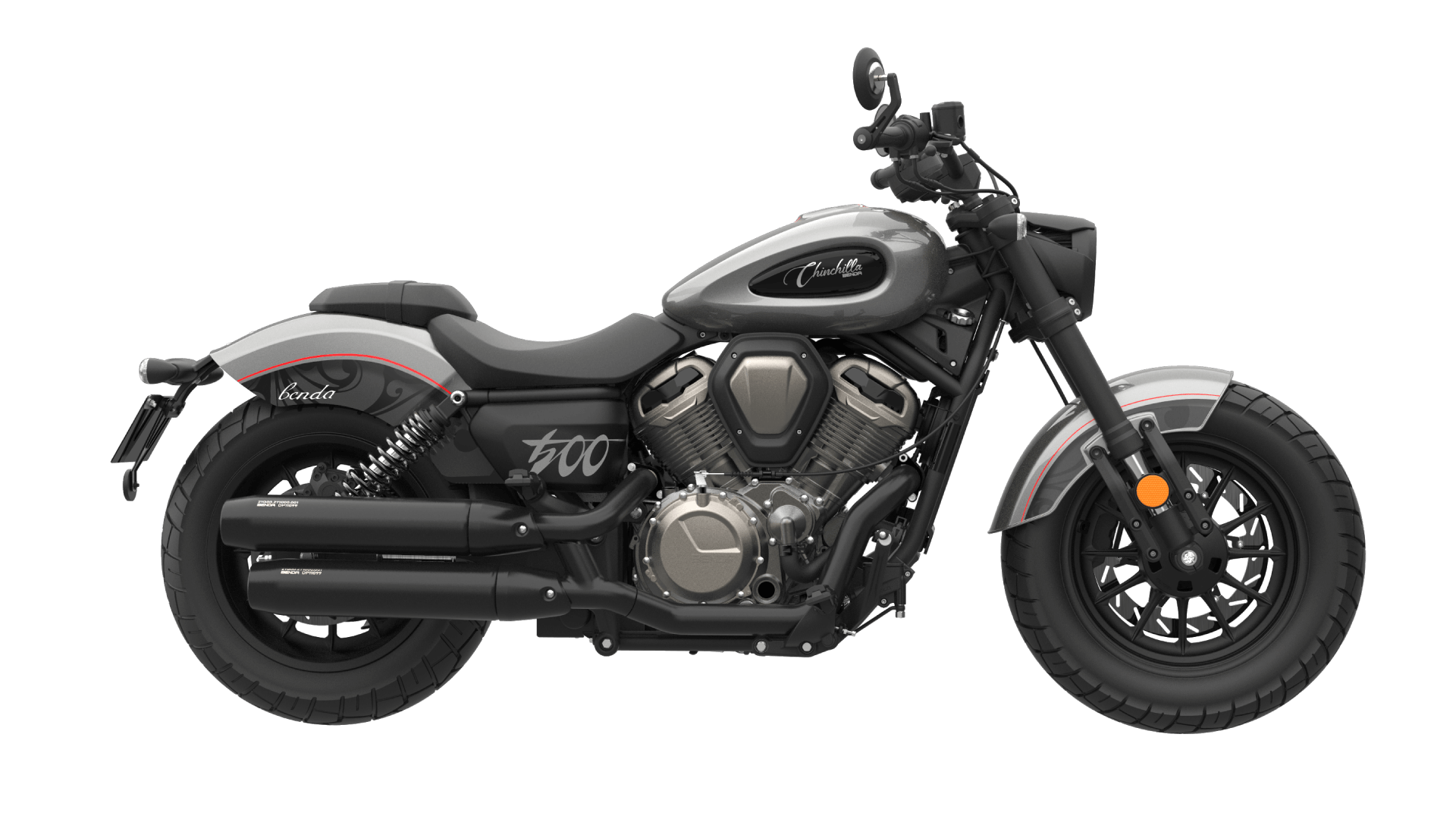
The data hides a key question: is the bike tuned for the sprint or the shuffle? Many spec sheets push peak power and top speed. Few discuss idle stability, alternator output at low rpm, or NVH levels in first gear. Yet these shape your day more than a long straight ever will—funny how that works, right? If the CAN bus chatters with lag and the fan cycle lags behind the stoplight rhythm, the whole machine feels out of step. So we’ll go past the brochure and ask what really eases the mind and wrists in town. Let’s carry that into the next layer.
Hidden Friction: Where Traditional City Tuning Misses
Are we tuning the wrong things?
Legacy fixes often start with gearing or a bigger radiator. They help, but they dodge the root. The pain is in micro-control. Small throttle inputs can jump if the torque curve rises too fast off idle. A heavy flywheel smooths pulses, but it dulls response. Meanwhile, a slip-assist clutch cuts stall risk, yet some units chatter in heat. Look, it’s simpler than you think: riders need predictable low-speed behavior before they need top-end pull. Fueling at 2–3k rpm, fan trigger points, and the first 5% of throttle travel matter most. When these are right, the bike stops feeling “nervous.”
There’s also the mental load. Staring at gaps, easing the brake, feathering the lever, dodging a courier—this is cognitive drain. Add poor low-rpm charging and lights dim at idle. Add old-school ABS that waits too long, and you get a squirm at the crosswalk. Add a harsh engine mount, and NVH creeps into your hands. Together, they turn a short ride into slow fatigue. Modern traction control, quick-reacting ABS, and cleaner idle mapping help, but only when they talk to each other through a tidy control loop. If the edge computing nodes on the bike lag, the fix arrives late. When the loop is fast, the city stops feeling like a fight.
Comparative Outlook: New Tech Principles that Change the Commute
What’s Next
Compare two paths. One seeks more hardware: taller gearing, bigger fans, heavier flywheels. The other leans on control logic: adaptive throttle maps, predictive cooling, and smarter power converters for tight stop–start cycles. The second path is winning in dense traffic. Here’s why. A throttle map that references gear position, wheel speed variance, and lean angle can soften the first few degrees of twist. It gives a steady push without a surge. Pair that with a low-inertia crank and refined ignition timing, and you get a quiet launch that feels natural. That is the city superpower. Layer on a small 48V assist with supercapacitors for instant torque fill, and the clutch hand relaxes. It’s not about racing. It’s about rhythm. Try a refined motorcycle for city riding, and you’ll feel how a calm baseline changes the whole ride—almost before you notice.
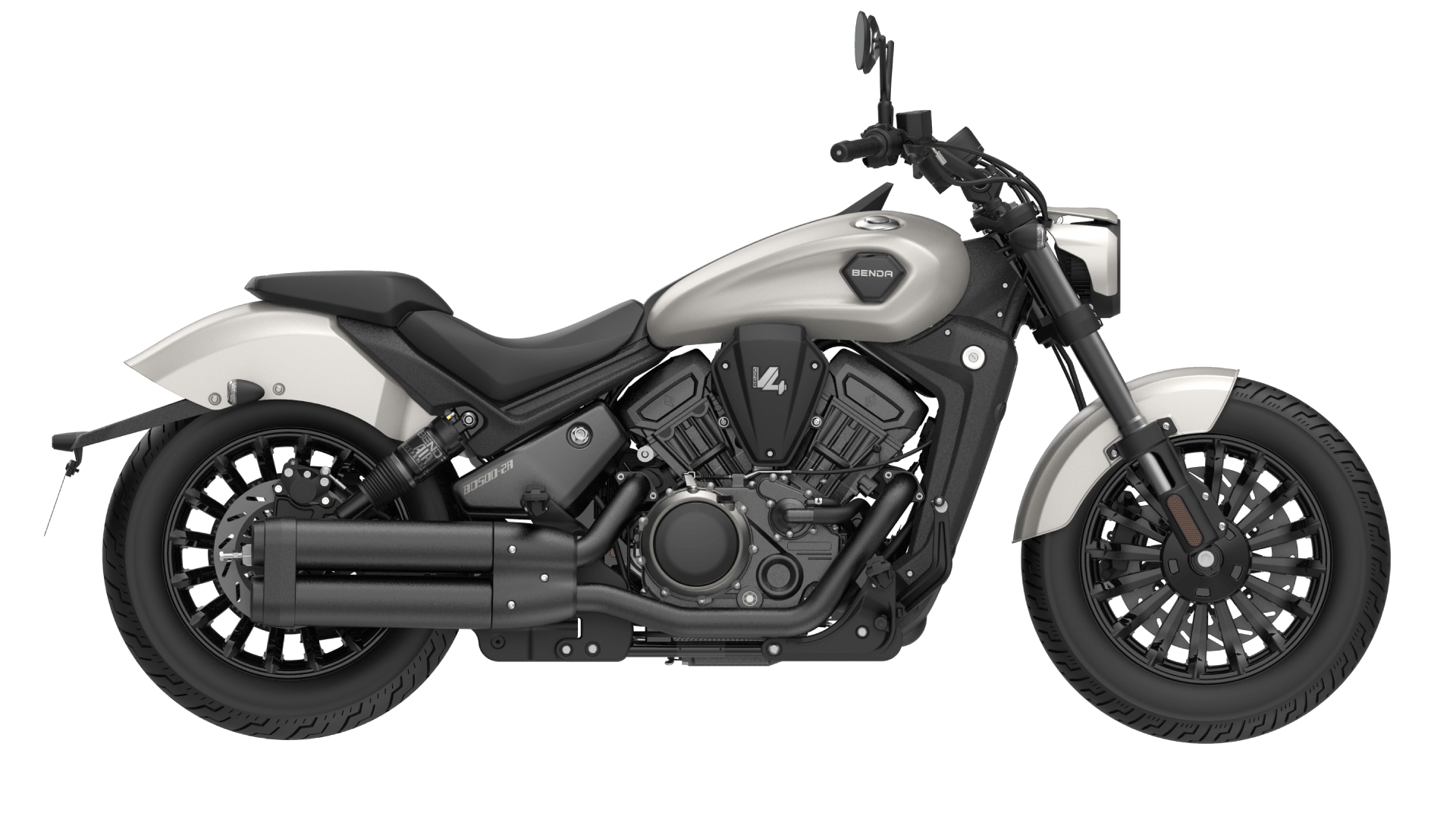
Thermal control is next. Predictive cooling uses sensor fusion from the IMU, GPS, and traffic-aware patterns to pre-spin the fan before the next stop. Heat soak drops, and the idle stays stable. OTA updates let makers tune idle air control and fan maps per season. Even small things matter: better alternator output at idle keeps DRLs bright and the dash clear; CAN bus traffic stays lean so traction control reacts faster; and brake-by-wire valves can hold a light, steady bite in a crawl. Real-world impact shows up in fewer stalls, shorter reaction times, and smoother wrists at day’s end—tiny gains that pile up. Advisory note to close this loop: when you compare options, measure three things. One, sub-20 km/h throttle smoothness, tested on broken pavement. Two, cooling stability after five back-to-back red lights. Three, electrical headroom at idle with accessories on. Hit those, and a city ride feels almost serene. It’s a quiet kind of progress—and it sticks.
In short, the best city bikes don’t just add parts; they harmonize control. That is where fatigue fades and confidence grows. For riders watching this space, keep an eye on thoughtful makers like BENDA.