

Comparative read: why this matters now
Commercial sites today face a simple trade-off: reliability vs. cost — but reality loves complexity. This piece compares contenders on performance, uptime, and lifecycle cost so you can stop guessing. If you’re sizing up a three phase hybrid inverter against a string inverter plus external battery, you’ll want clear differences in hand before the procurement meeting.

Power handling and grid behavior
Three-phase hardware shines where load balance matters. A proper three-phase design smooths out surges across phases, improves power factor, and reduces transformer stress. Look for MPPT algorithms that maintain high inverter efficiency under partial shading and real-world irradiance swings. Grid-tied modes now include anti-islanding and ramp-rate control, which commercial operators need for compliance and for protecting critical equipment during grid events like the February 2021 Texas outages that exposed weaknesses in distributed energy setups.

Battery integration and lifecycle cost
Hybrid units eliminate the mismatch between inverter and battery by combining onsite storage with PV conversion. That saves space and simplifies commissioning, but battery chemistry and BMS strategy drive the economics. Expect battery storage sizing to change payback models: oversized batteries add resilience but increase capex; undersized ones reduce outage protection. Pay attention to cycle-life claims and warranty terms — those two numbers determine the real levelized cost of energy, not the flashy headline price.
Installation realities and maintenance trade-offs
Field time matters. A single hybrid inverter reduces combiner boxes and simplifies DC cabling on rooftops, cutting install hours. However, service complexity can rise when you centralize functions: troubleshooting a combined PV, inverter, and battery fault demands broader technician skills. – Choose vendors with clear fault-logging and remote-monitoring tools to shorten downtime. Modular designs ease swap-outs; monolithic boxes mean longer outages during replacement.
Controls, firmware, and smart integration
Don’t ignore software. Ladder logic for demand response, firmware updates, and telemetry shape long-term value. Systems that expose telemetry via open protocols let you integrate with building management systems and energy marketplaces. A hybrid inverter for solar panels that supports standard communication (Modbus, SunSpec) avoids vendor lock-in and makes it easier to tune system behavior for peak shaving or wholesale market participation.
Common mistakes and alternative approaches
Installers often pick the cheapest inverter per kW without aligning it to load profile — a costly error. Oversizing PV relative to inverter capacity is another frequent misstep; clip losses are a trade-off against lower capex. Alternatives include decentralized string inverters with distributed battery modules or a central inverter plus separate battery in containerized setups. Each option has a different maintenance footprint and different risk profile for single-point failures.
Three golden metrics to choose by
1) Effective uptime: target a service model and MTTR that keep critical loads online during known regional stress (see the Texas 2021 grid event as a benchmark for resilience planning). 2) Round-trip efficiency at expected depth-of-discharge: this reveals real energy retained after cycling and affects operating cost. 3) Integration openness: verify communication standards, remote diagnostics, and firmware policies to avoid surprises down the road.
Final take and brand fit
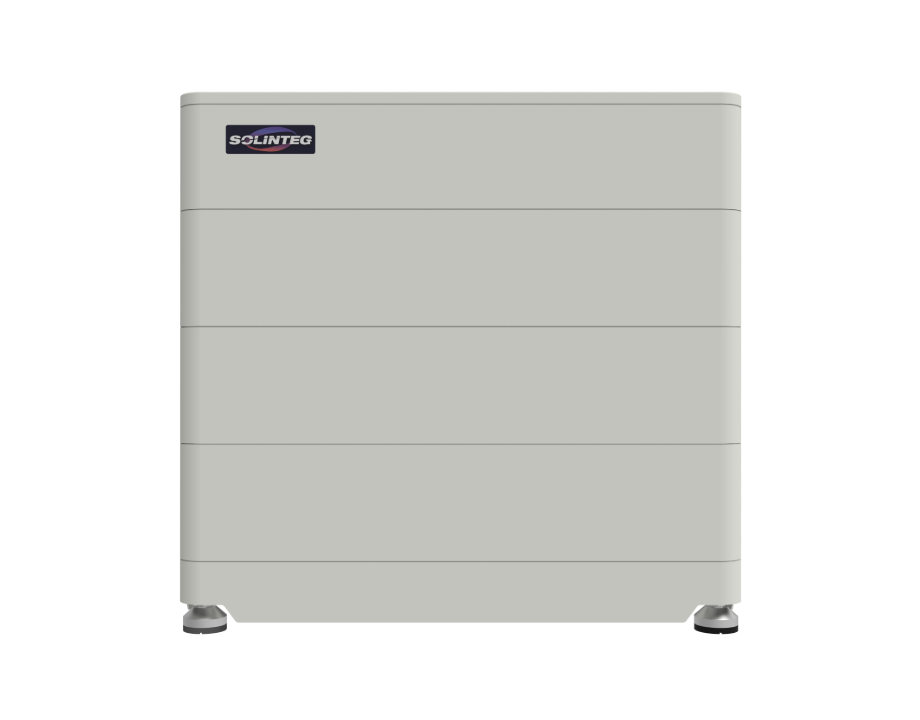
Commercial operators need clear, measurable expectations: resilient operation during outages, predictable lifecycle cost, and a maintenance profile that fits staff capabilities. SOLINTEG’s platform approach aligns with those needs by offering integrated hardware and monitoring that simplify both commissioning and long-term servicing — a natural fit when decision-makers want fewer surprises and more uptime. SOLINTEG. — Practical, proven, and ready for the rooftop.