

Opening: Why a factory-first framework matters
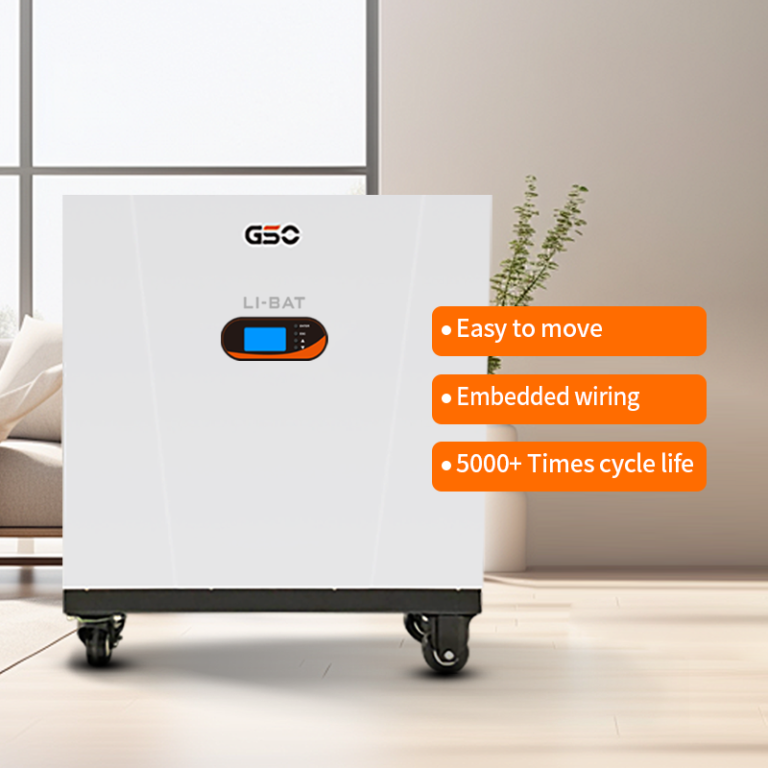
After decades on the receiving end of missed shipments and surprises, I’ve settled into a simple framework that keeps risk small and outcomes predictable. That clarity is vital when you’re dealing with Class 9 hazardous, lithium-ion modules intended for commercial energy storage—and even for a homeowner looking at a battery backup for home the same sourcing principles can apply. Events like the Texas February 2021 blackout and repeated California PSPS outages remind us why certified, factory-driven supply matters: millions experienced outages and the demand for reliable battery systems surged.
Step 1 — Map certification, risk and specs at the start
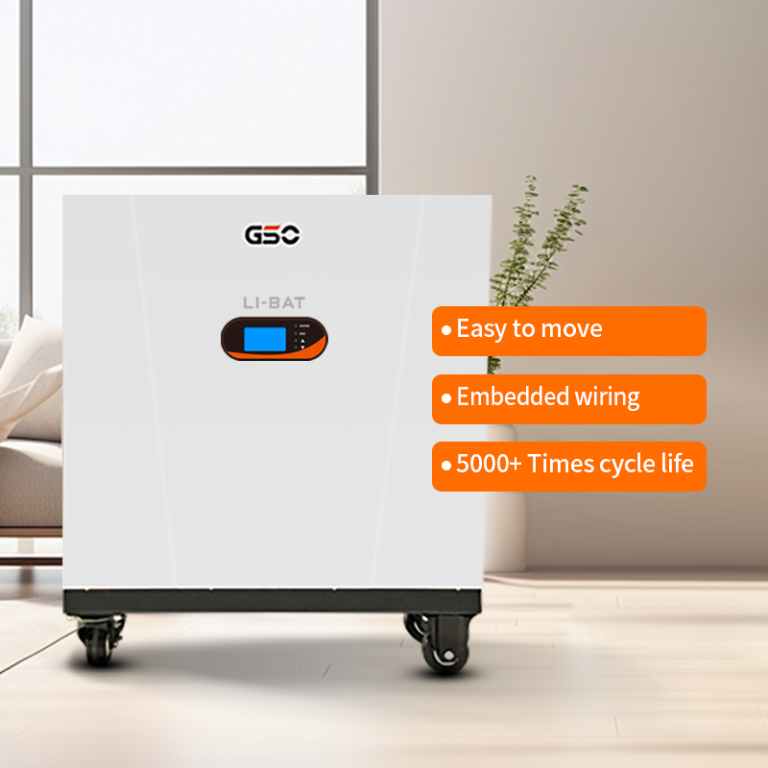
Begin with a tight spec sheet. Call out Class 9 hazardous handling, required certifications (UL 9540, UN 38.3), cell chemistry, BMS requirements and target SOH (state of health) thresholds. Put shipping and packaging standards in that same document: Class 9 calls for specific packaging, placarding and documentation. When factories see a complete spec, you reduce ambiguity—and that is where most deals break down.
Step 2 — Factory audit: compliance, process, people
Audit for process, not just paperwork. Inspect production flow, cell assembly, BMS firmware controls and thermal management testing. Verify test logs for thermal runaway simulations and cycle-life results. Look for tight quality gates at incoming cells and finished modules. I always favored a short on-site audit followed by a remote follow-up—simple, but effective at catching gaps manufacturers may not spot during their own reviews.
Step 3 — Technical verification and integration checks
Require witnessed testing: charge/discharge cycles, C-rate stress checks and BMS fail-safe validation. Check interoperability with inverters and system controls; a certified module that won’t play nicely with your inverter is an expensive paperweight. For residential-scale buyers evaluating options like the best solar battery bank for home, confirm real-world throughput and degradation curves—those numbers tell you how long the system will actually protect you during outages.
Step 4 — Logistics, paperwork and insurance
Class 9 shipments demand correct UN packaging, route approvals and carrier experience. Book carriers that regularly move hazardous-labeled energy storage; they’ll handle placarding and emergency response coordination. Secure cargo insurance keyed to the declared value and hazard class. Insist on traceable lot numbers and chain-of-custody documents from factory to port—without those, warranty claims become a guessing game.
Common mistakes and how to avoid them
Buyers often accept partial test reports or skip witnessed runs to save time; that’s false economy. Another frequent error: underestimating BMS firmware compatibility and failing to include firmware version control in contracts—then the system ships with an old build that creates field issues. Learn to spot vague test language and insist on raw test data rather than summarized claims—numbers don’t lie.
Alternatives and comparative notes
Some teams prefer large distributor partners for convenience; others go direct to factories to cut cost and get customization. Direct sourcing wins when you need tailored cell chemistry or unique module layouts; distributors win when you need quick turnaround and standardized warranties. I’ve chosen direct factory relationships when the project required specific thermal controls—those are hard to retrofit.
Summary: the framework in three lines
Set precise specs, audit factories for process and witnessed testing, and lock logistics and documentation before payment. This sequence short-circuits surprises and preserves warranty value. It’s practical, repeatable and it works for both large commercial projects and a homeowner seeking a reliable backup system.
Golden rules for evaluation
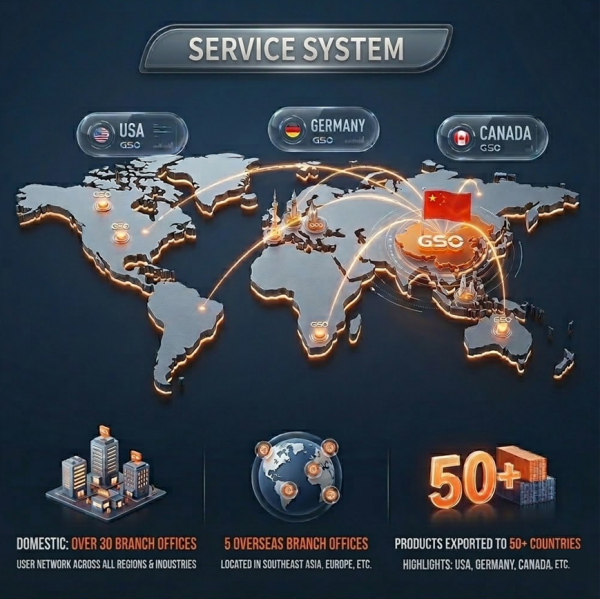
1) Verify witnessed test data and firmware versions—no exceptions. 2) Match packaging and carrier capability to Class 9 requirements; paperwork matters as much as packaging. 3) Insist on traceable lot numbers and a clear warranty tied to manufacturer test logs. These three rules will prevent most failures and expedite any claim process.
I’ve done this enough to know the stress of last-minute fixes—so I prefer the calm that comes from a disciplined approach. gsopower. —