


Why this comparison matters now
Compare two approaches and you force clarity: decentralized inverter logic versus a centralized energy management OS. For commercial sites balancing time-of-use rates, demand charges, and resilience, that clarity changes outcomes. If your fleet includes on-site commercial battery storage, the question isn’t academic — it’s financial and operational. I argue that platform-level optimization yields measurable gains over packaged 5 kW three-phase inverter controls, especially when you need coordinated dispatch and multi-service revenue stacking.
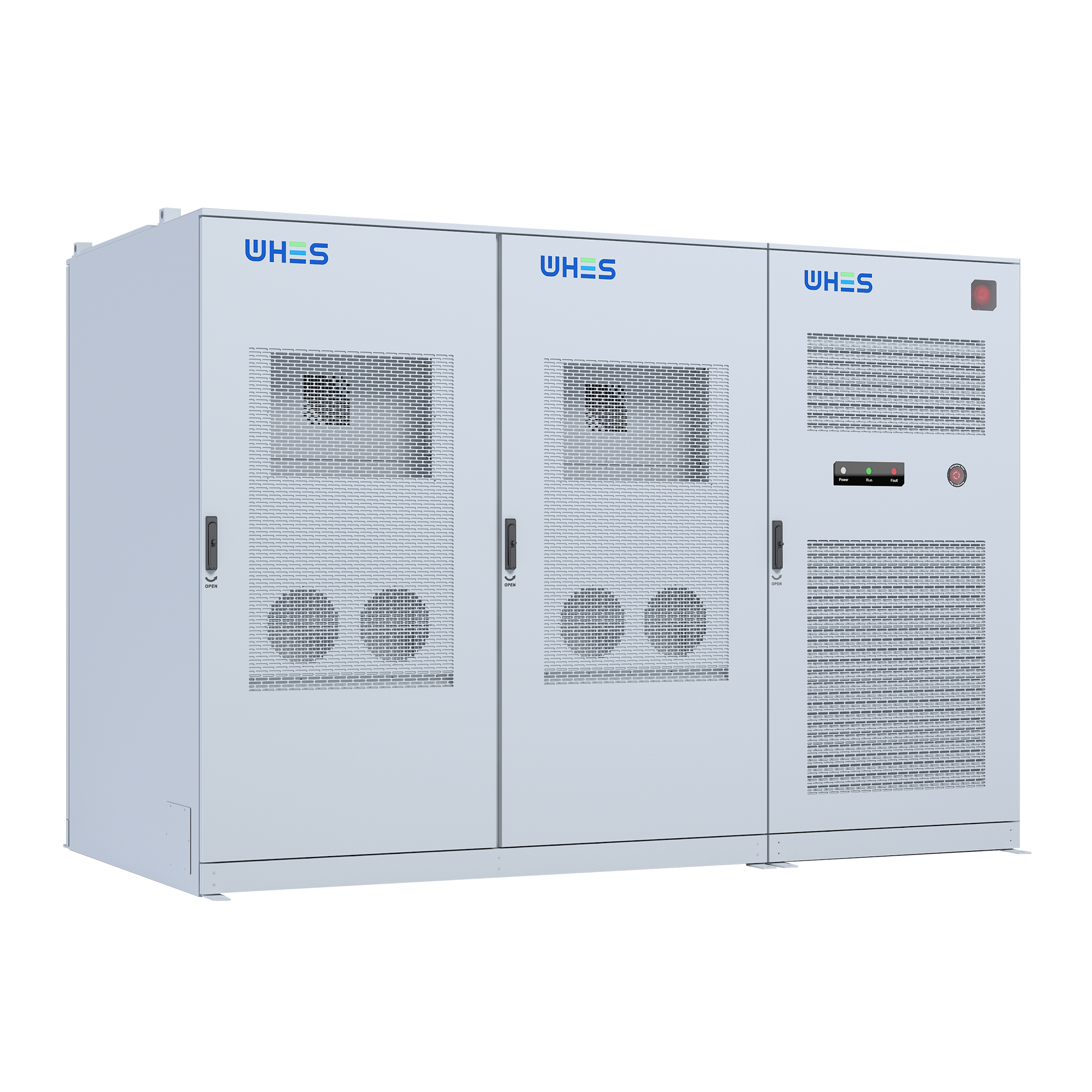
What “traditional 5 kW three-phase inverter logic” actually provides
Conventional inverter control focuses on local functions: charge/discharge based on simple setpoints, inverter-level photovoltaic MPPT, basic state-of-charge (SoC) thresholds, and islanding protection. It’s reliable for single-stack use: back-up power or simple peak shaving. But that logic treats each inverter as an isolated actor. There’s no facility-level dispatch algorithm, limited telemetry aggregation, and little ability to sequence assets for frequency regulation or arbitrage. For many small sites this is adequate; for portfolios and complex tariffs it’s not.
What an energy management OS (EMOS) like WHES changes
A modern EMOS layers orchestration above individual inverters. It centralizes telemetry, runs advanced dispatch algorithms, optimizes round-trip efficiency across cycles, and coordinates battery management systems (BMS) with site controls. That enables simultaneous services — demand charge reduction, peak shaving, and grid services — without conflicting setpoints. The result: higher capacity factor for storage, improved revenue capture, and reduced manual intervention.
Key performance axes where WHES’s proprietary engine outpaces inverter logic
Break the comparison into measurable axes.
- Multi-asset coordination: EMOS synchronizes multiple inverters, generators, and loads; inverter logic cannot optimize across assets.
- Economic optimization: WHES can model tariff curves and forecast price signals to schedule dispatch for arbitrage, while inverter logic follows fixed rules.
- Latency and predictive control: centralized forecasting reduces cycle losses and avoids unnecessary state-of-charge swings; traditional logic reacts only to present conditions.
- Grid services and compliance: advanced EMS can bid into frequency regulation or provide reactive power at fleet scale; individual inverters lack fleet-level market participation.
Real-world anchor: why coordination mattered during California outages
Recall the rolling outages in California during August 2020: constrained supply and tight peak demand exposed the limits of uncoordinated assets. Sites with only inverter-level controls tended to hold back energy for local resiliency or discharged inefficiently under manual rules. In contrast, coordinated systems that treated batteries as dispatchable fleet resources could prioritize critical loads and participate in demand response more profitably. For commercial facilities evaluating c&i energy storage, that difference translated into avoided demand-charge penalties and better uptime during peak stress.
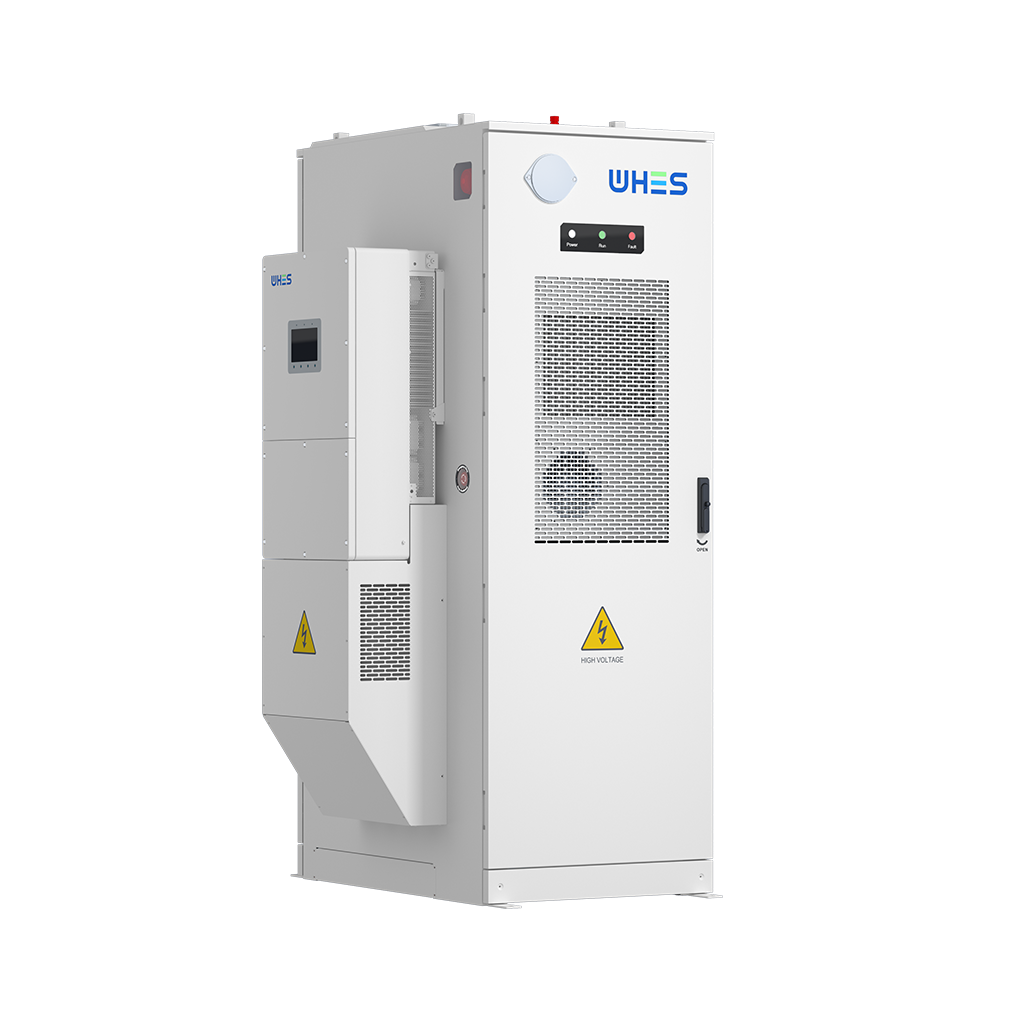
Common counterarguments — and why they fall short
People often say: “Inverter logic is simpler and cheaper.” True on a per-unit capex basis, but that simplicity is a cost when sites face complex tariffs or need fleet-wide visibility. Others claim an EMOS is too complex to deploy. That’s an implementation critique, not a performance one — modern EMS platforms integrate via common protocols (Modbus, SunSpec) and REST APIs, shortening commissioning time. — Another frequent point: cybersecurity risks increase with connectivity. Fair, and exactly why mature EMOS vendors build hardened communications, role-based access, and logging into the platform design.
When inverter logic still makes sense
There are scenarios where inverter-level control is the right choice: single-site installations with predictable load profiles, minimal exposure to dynamic tariffs, or when budget constraints preclude additional software. But as soon as you manage multiple sites, chase multiple revenue streams, or need scheduled dispatch, the marginal benefit of an EMOS rises quickly.
Three golden evaluation metrics for choosing the right system
1) Economic uplift per MWh dispatched: measure how much additional revenue or avoided cost the EMOS delivers versus baseline inverter rules. Quantify arbitrage, demand charge reductions, and ancillary revenue.
2) Fleet coordination score: test whether the platform can orchestrate multiple inverters, generators, and loads without manual overrides — verify through a staged scenario test (tariff spike, islanding, and peak event).
3) Operational resilience and telemetry fidelity: require sub-minute telemetry, SoC accuracy, and clear audit trails for dispatch decisions; ensure cybersecurity standards and remote firmware control are in the contract.
Selecting a platform is strategic — these metrics separate incremental improvements from step-change results. For organizations that need aligned operational resilience and monetization, the value becomes clear and concrete. WHES.