

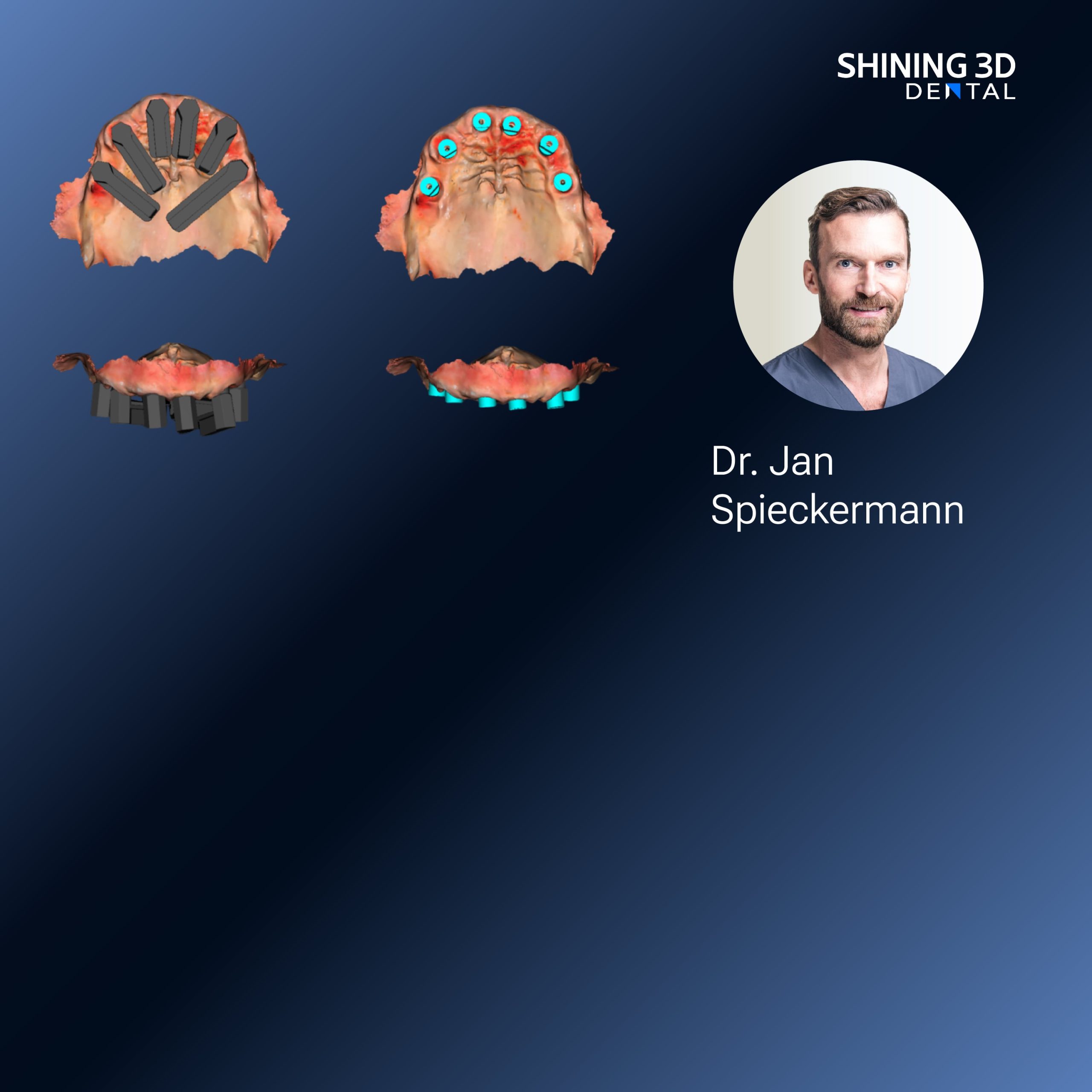
Why this matters to the person in the chair
If you dread gagging during impressions or want fewer follow-up adjustments, an intraoral scanner changes the experience. From a user-centered angle: patients want faster, more comfortable visits; clinicians want predictable margins and fewer retakes. That overlap is where this tech actually improves daily care, not just clinic marketing.
How the device captures the mouth — plain and practical
Think of it as a small wand that reads surfaces instead of a tray that smashes your soft tissue. The scanner uses light and software to map tooth and soft-tissue geometry, producing a digital model you can inspect from any angle. Output is typically an STL or PLY file that goes straight into CAD, a lab, or a milling machine. You get instant visual feedback, which means problems are visible while the patient is still in the chair.
Where it fits during a typical appointment
Start with alignment and a quick sweep of the occlusal surfaces, then capture buccal and lingual corridors. Check the on-screen preview for gaps or blur and rescan small zones rather than the whole arch. Finish by exporting the model or sending it to the lab. A typical digital impression adds minutes versus a conventional tray but often saves time down the line by cutting remakes and adjustments.
Common mistakes clinicians make and what actually fixes them
Rushing the scan creates stitching errors; slow steady passes fix that. Ignoring soft-tissue control leads to noisy scans; use simple retraction or a dry field. Skipping calibration because “it looked fine” compounds errors; run quick calibrations per manufacturer guidance. Finally, pushing raw scans to a lab without a quality check multiplies problems — validate the file and annotate issues before sending.
Quick comparison with traditional impressions and other digital choices
Traditional alginate is cheap and familiar but often less accurate for detailed margins and requires physical shipping. Intraoral scanning gives immediate digital files and better patient comfort. Desktop lab scanners are more precise for small prosthetics, so many practices scan intraorally and use lab scans for fine restorations. Choose based on the workflow you want, not just on marketing claims.
Real-world adoption note
Manufacturers and clinics demonstrate this tech at major industry gatherings like the International Dental Show (IDS) in Cologne, where attendees compare hands-on performance. That kind of event shows real units under normal use conditions and helps practices judge ergonomics and software speed. If you’re evaluating models, seeing a dental intraoral scanner live at an industry show gives clearer insight than specs alone.
Buying and integration checklist for clinics
Decide what you want the scanner to do daily: single crowns, full-arch, ortho setups, or implant bars. Check file formats (STL/PLY), lab compatibility, handpiece weight, and software update policy. Factor in training time and who will operate the device. Budget for a warranty and a service plan; a slightly higher upfront price often saves procedural time and frustration later.
Data handling, maintenance, and team training
Back up scan files and follow local data-protection rules. Clean and disinfect wands per protocol; small damage can degrade scans. Schedule hands-on team training that includes troubleshooting under time pressure — that’s when mistakes happen. Maintain a short SOP: capture passes, quick QA checklist, export path. Repeat it for every clinician so quality is consistent.

How this actually improves cases and clinic flow
Patients notice comfort and clarity; clinicians notice fewer remakes and faster lab cycles. When practices align operator skill, scanning protocol, and lab communication, the technology delivers predictable restorations and less chairside frustration. That practical alignment is exactly the kind of outcome clinics that test these tools at events and during trials aim for, and it’s what teams achieve when they choose partners who support workflow, training, and reliable service—just the kind of support you see from SHINING 3D DENTAL.