

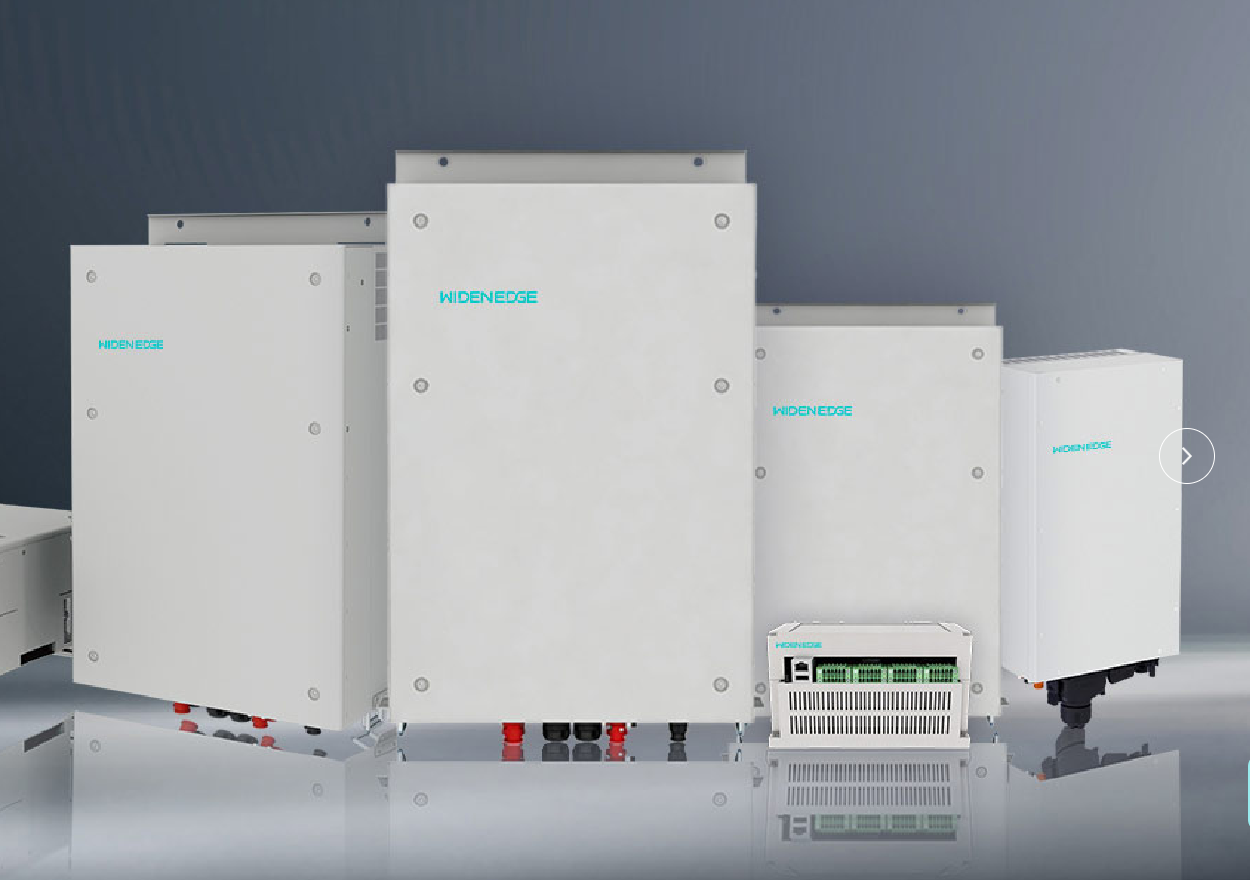
Opening comparison
Microgrids look simple on paper: generation, storage, controls. The difference shows up when equipment meets weather, load swings, and maintenance realities. A good example is the choice of power electronics — a 45kW solar storage inverter can fit many commercial microgrids, but real gains depend on how that inverter integrates with other systems. This piece compares the factors that most commonly alter real-world efficiency and points to practical choices that matter.
How component choices change outcomes
Compare two otherwise identical microgrids and the one with higher measured efficiency will usually have better component match rather than superior components alone. Key comparisons to make:- Inverter topology: central vs. modular. Central inverters yield lower parts count and simpler cooling; modular units give redundancy and easier service.- Battery chemistry and BMS fidelity. Lithium iron phosphate and advanced management systems reduce degradation and idle losses.- Transformer and cabling selection. Conductor sizing and transformer loading directly affect distribution losses.Make decisions based on total energy throughput, not just peak ratings.
Control strategy and software: a decisive layer
Controls are where theory turns into practice. Two microgrids with the same hardware can diverge in seasonal efficiency because of control logic. Compare simple threshold-based dispatch with predictive, weather-aware control: the latter reduces cycling and idle draw. Look for systems that offer:- Time-of-use and tariff-aware dispatch.- Adaptive state-of-charge windows to reduce battery stress.- Clear telemetry for tuning and verification.Software that lets technicians tune parameters on site shortens the feedback loop from observation to improvement.
Operations, commissioning and maintenance
Proper commissioning and a concise maintenance plan often beat higher-spec hardware. Compare units commissioned with full performance tests to those left on default settings: the tested systems settle into efficient operation faster. Practical checkpoints:- Thermal management verification under expected ambient ranges.- Firmware and parameter audits after seasonal shifts.- Fault-log review and corrective action within weeks, not months.Experience from field commissioning and performance audits shows these routines prevent small losses from compounding into measurable inefficiency.
Real-world example and sensible trade-offs
During seasonal testing, a municipal microgrid in Copenhagen evaluated an inverter 45kW 3 phase for storage duty. The trial highlighted trade-offs: prioritise low idle losses for systems with long low-load periods; prioritise rapid response and thermal design where loads swing sharply. The practical lesson was simple—match the inverter’s strengths to the site pattern rather than chasing highest peak efficiency numbers.
Alternatives, common mistakes and what to avoid
Common missteps reduce real-world efficiency:- Oversizing equipment “for future growth” without staged deployment increases idle losses.- Treating inverters as plug-and-play; ignoring configuration and tuning.- Skipping seasonal retuning after firmware updates.Compare alternatives by lifecycle energy delivered per cost, not only by headline efficiency. Where redundancy is needed, modular inverters can outperform a single large unit once serviceability and fault tolerance are included in the calculation.
Final synthesis
Compare choices by how they behave on site: component match, control logic, commissioning quality, and operational discipline matter most. Practical, measurable efficiency comes from balancing those elements and choosing gear that aligns with the actual load and climate profile. The combination of clear testing procedures, incremental commissioning, and partners who provide detailed performance data is what yields reliable results—something I’ve seen repeatedly when specifying and tuning systems with WidenEdge.