

Why today’s gaps hurt kids, drivers, and dispatchers
When a late run becomes a pattern, everyone feels it — worried parents, exhausted drivers, and dispatchers juggling calls. I’ve listened to drivers describe patchy communications and watched parents refresh arrival times that never update. Those are symptoms, not causes. A focused fleet telematics approach fixes the causes where they start, which is why teams deploy solutions like school bus fleet management to stop firefighting and start predictable, safe service.
Problems you should define before buying anything
Start by naming the exact failures you need to fix. Vague requests produce vague systems. Typical, concrete problems to define:• Inconsistent on-time performance on key routes.• Unscheduled downtime from missed maintenance.• Lack of parent-facing visibility about arrivals.• Limited crash or near-miss context for safety reviews.Each problem maps to measurable outcomes. That mapping is what separates dashboards that look nice from tools that change behavior.
Core features that actually move the needle
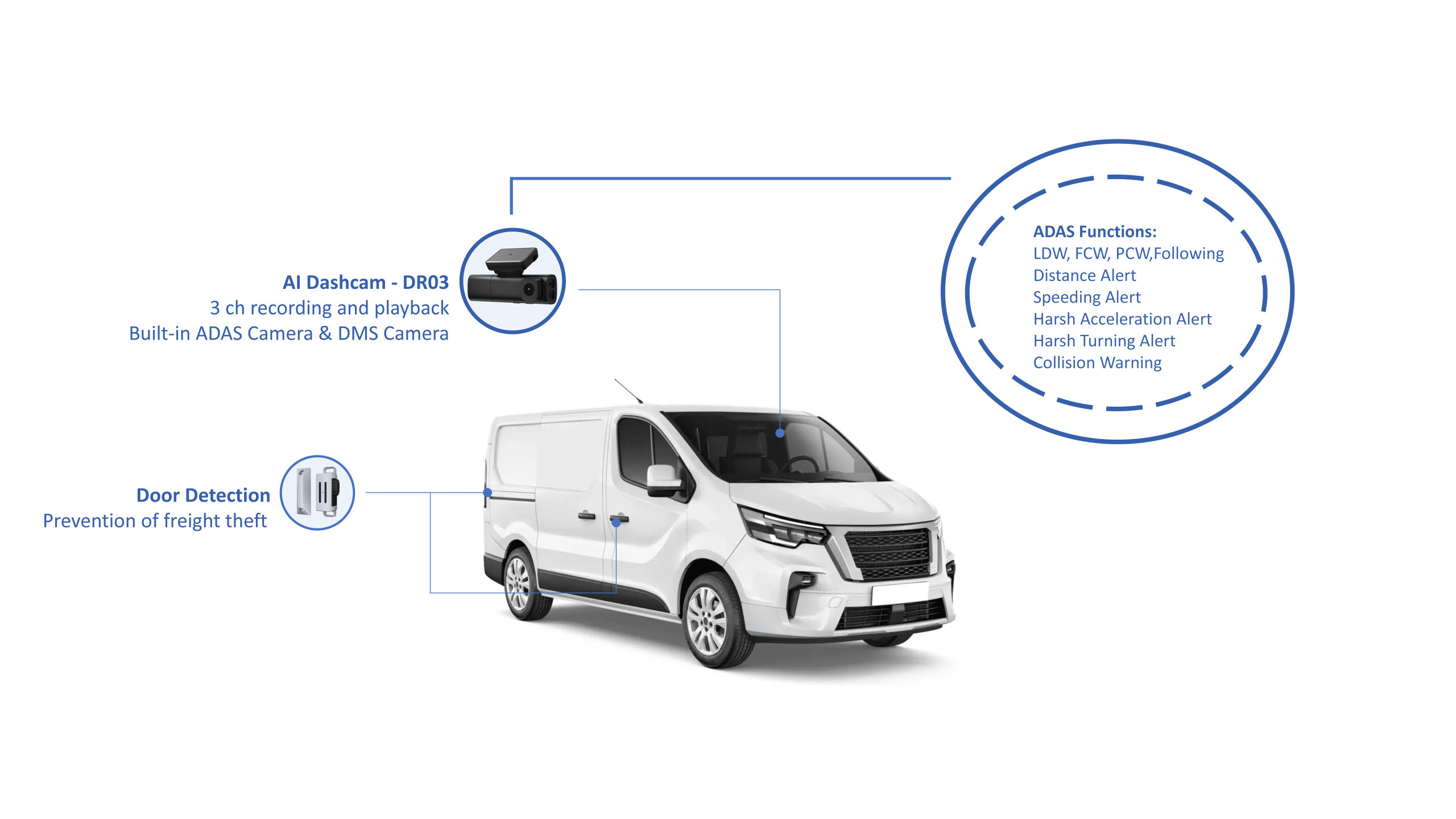
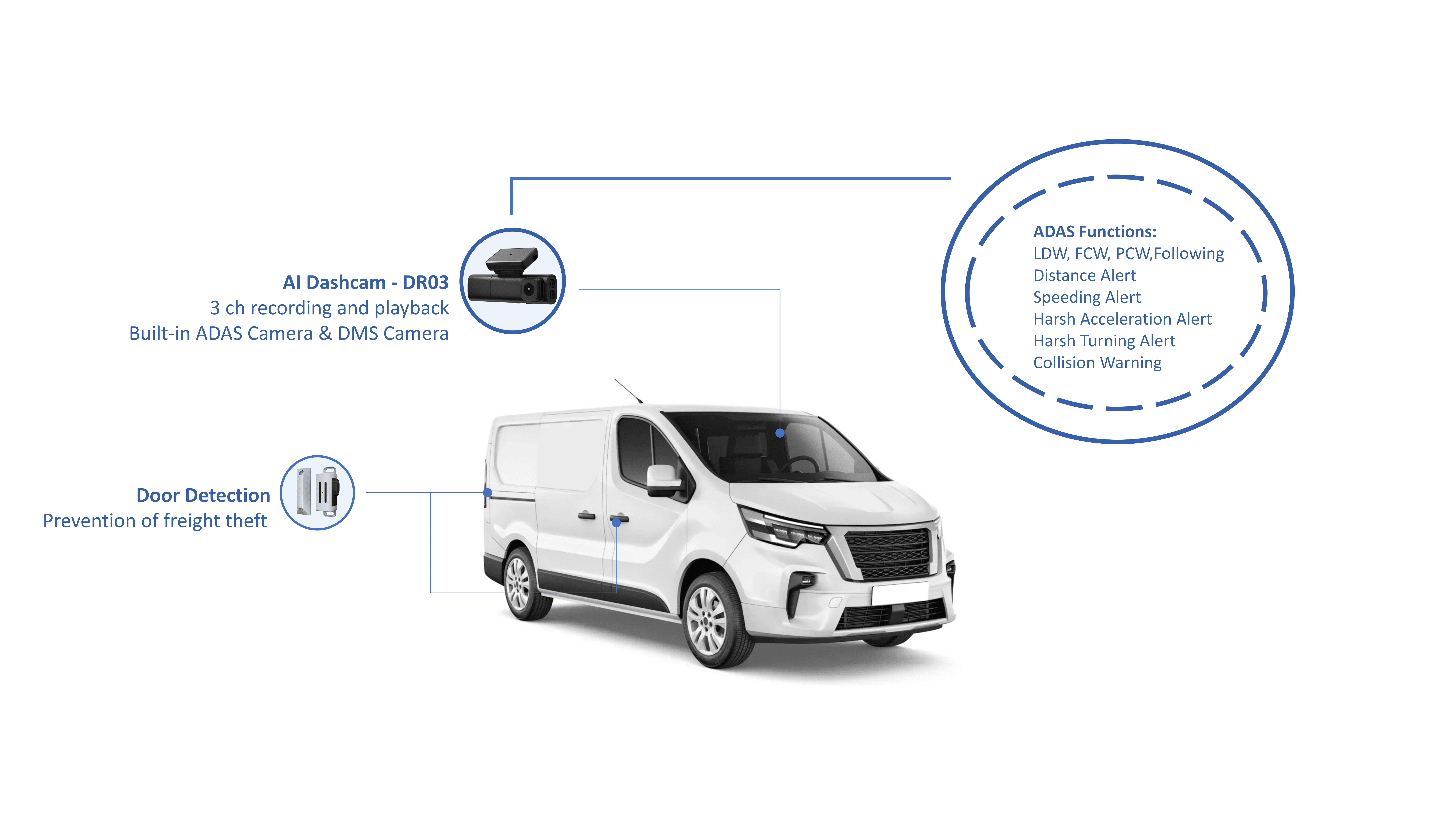
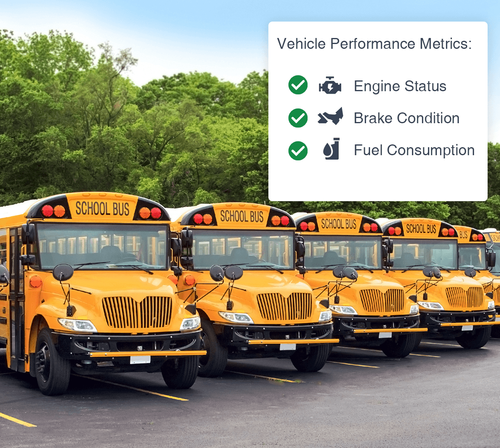
Not every feature matters equally. Prioritize capabilities that close the problems above:• Real-time GPS with geofencing for accurate arrivals and departures.• Driver behavior telemetry (speed, harsh braking, idling) presented as simple risk scores.• Maintenance triggers tied to engine hours and fault codes.• Secure rider-count or camera integration to add passenger context.• Automated parent notifications that use route drift, not scheduled times.A practical vendor will demonstrate these features on routes you care about and show how they report results. If you want a clear technology example, look into platforms labeled as school bus fleet management technology that combine vehicle telemetry with communications and maintenance workflows.
Use cases that prove value — what to watch for
Concrete wins appear quickly when the system matches your problem list:• Cut average route delay by targeting the handful of buses that cause most late arrivals.• Reduce roadside breakdowns by acting on early fault alerts rather than waiting for failures.• Lower risk events through targeted coaching based on repeat driver behaviors.• Improve parent trust by reliably delivering ETAs tied to live GPS.Industry conversations at the National Association for Pupil Transportation (NAPT) annual conference often center on those same measurable outcomes: safety improvements, fewer breakdowns, and clearer communications. That alignment shows the outcomes are repeatable, not hypothetical.
Common implementation mistakes and how to avoid them
Teams often spend money without enough behavior change. Common mistakes:• Installing hardware and leaving existing dispatch processes unchanged.• Expecting drivers to adopt complex interfaces overnight.• Tracking too many KPIs so nothing gets acted on.• Ignoring data quality: poor GPS placement or intermittent cellular plans produce noise, not insight.Fixes are practical: map one outcome to one workflow change, simplify interfaces for drivers, and pilot on a few routes to refine processes before scaling.
How to evaluate vendors without getting lost in demos
Ask vendors for evidence, not promises. Request:• A short pilot on a representative route, not a sandbox demo.• Exportable data for your analysts to validate claims.• Clear SLA for hardware uptime and data delivery.• Examples of how they reduced a specific metric (minutes late per route, breakdown rate) within the first 90 days.Pick vendors that speak plainly about trade-offs and who show operations staff how to change behaviors — that’s where value lives.
Where this leads: steady routes, safer trips, clearer communication
Fix the root problems first, then use telematics to measure the change. Do that and routes stabilize, safety reviews become constructive instead of accusatory, and parents stop calling dispatch. Practical telematics is a tool for predictable service, not another dashboard to ignore — and for many districts that pragmatic shift is exactly what they need, which is what BSJ aims to support through tested integrations and operations-focused design.