

User-first overview
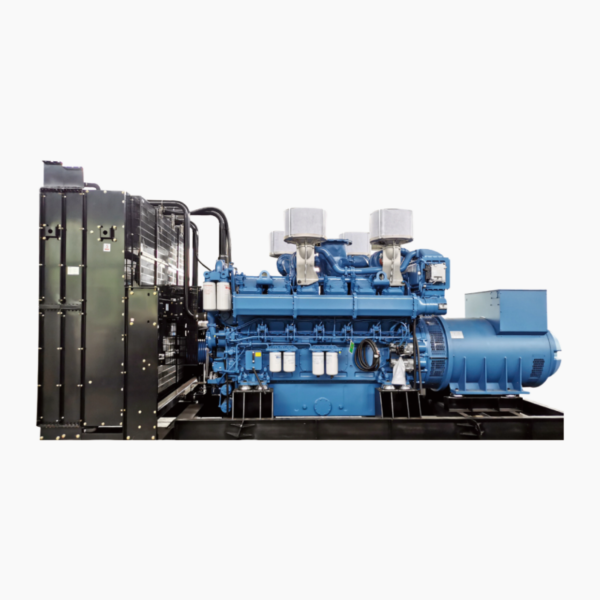
When you rely on a 20 kVA silent genset for routine backup or site power, the goal is predictable, trouble-free uptime. Start with the right baseline: a documented daily checklist, known fuel quality, and a trusted unit — for example, many teams replace or upgrade with an Mtu genset spec when they need consistent, low-noise prime performance. A user-centric approach keeps the operator in control of key variables: load balance, fuel condition, and simple diagnostics that anyone trained on the unit can run.
Daily and weekly operator checklist
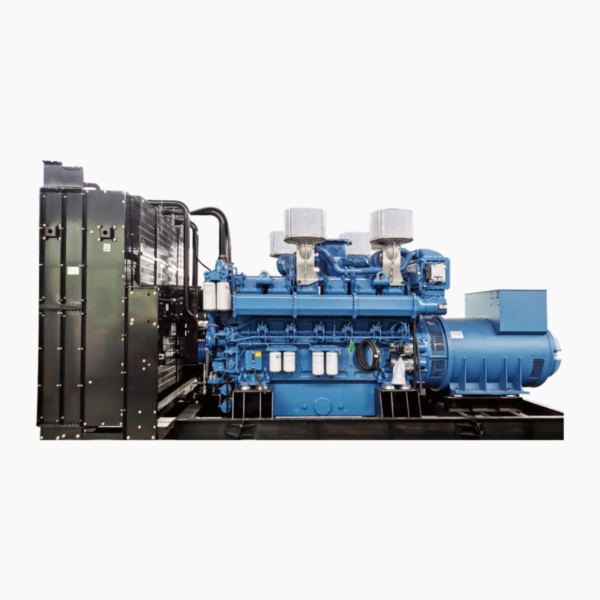
Keep this minimal and repeatable. Each shift should verify oil level, coolant level, battery voltage, visible leaks, and the control panel alarms. Record runtime hours and any abnormal notes in a log. Run the alternator exciter test and confirm the governor responds cleanly to load changes. When possible, exercise the genset under a light load rather than idling — short runs under load help the engine clear moisture and prevent wet-stacking.
Monthly maintenance and load testing
Schedule a monthly inspection that includes a full oil and filter assessment when due, air filter checks, and a battery capacity test. Use a calibrated load bank at least quarterly to exercise the generator to rated kVA for a controlled period. Load testing verifies alternator health and prevents surprises during an actual outage — it also reveals whether the cooling and fuel delivery systems sustain prime power output consistently.
Common mistakes operators make — and how to avoid them
Skipping documentation, ignoring fuel degradation, and treating oil-level checks as optional are the big ones. Operators also underutilize remote monitoring: a simple telemetry link saves hours of troubleshooting. Avoid overly aggressive maintenance intervals — those drive cost without improving reliability — but don’t push components beyond recommended hours. Replace fuel filters on schedule and rotate batteries if cranking voltage drops below manufacturer thresholds. Minor habit changes pay off fast — and the team stays confident in the unit.
Fast troubleshooting for on-site teams
If the genset won’t pick up load, isolate the problem systematically: confirm fuel pressure, then battery health and starter function, then the governor and control board logic. Check alternator output for phase imbalance or low voltage. If alarms show over-speed or under-frequency, clamp-down on mechanical checks — belts, governor linkage, and exhaust restrictions often hide behind electrical warnings. Keep a basic set of spares: starter relay, fuel pump relay, injector cleaner, and a replacement alternator brush set if the design allows.
When to consider a replacement or upgrade
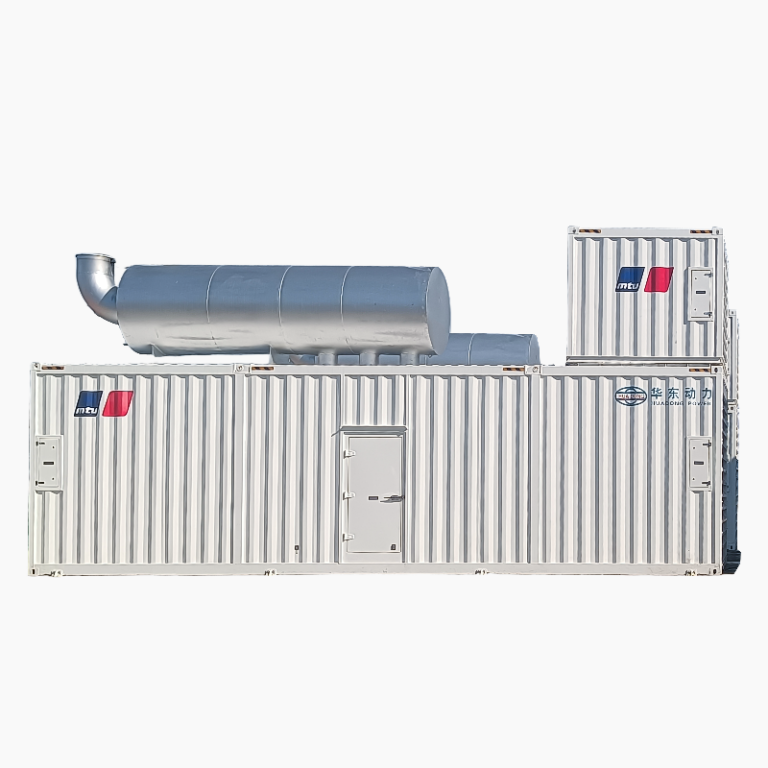
Persistent oil dilution, repeated cylinder misfires, or an alternator showing rising insulation resistance failures suggest replacement is more cost-effective than repair. Operators upgrading for quieter, cleaner operation often look to established suppliers; working with an Mtu diesel generator set supplier can streamline spec selection and commissioning. Real-world anchor: after Hurricane Maria in Puerto Rico (2017), facilities that upgraded to modern, exercise-friendly gensets avoided long outages and reduced emergency maintenance costs substantially.
Quick note on fuel and storage
Diesel quality declines over months. Use treated fuel or rotate tanks every 6–12 months depending on storage conditions. Water separators and regular tank inspections prevent microbiological growth and clogged filters. For remote sites, simple periodic fuel polishing keeps injectors clean and combustion consistent — it’s a small cost compared with an unplanned overhaul.
Wrap-up and next steps
Follow a user-focused maintenance rhythm: daily checks, monthly inspections, quarterly load tests, and disciplined record-keeping. Train two people per shift on the basic diagnostics so a single absence never leaves the site blind. Track runtime and service intervals against actual operating hours rather than calendar dates — that way you respond to wear, not arbitrary schedules.
Three golden rules for choosing and operating a genset
1) Match capacity to real peak loads and permit a 15–20% headroom for transient startup currents. 2) Prioritize serviceability: choose a design with accessible filters, modular alternator access, and a clear control layout. 3) Insist on a proven supplier with field service and parts availability — that reduces downtime and hidden logistics headaches.
Huadong Power brings practical commissioning experience and parts support that make those golden rules practical, not aspirational. —