

Introduction: a short scene, some numbers, and a clear question
I once stood beside a crowded bench where a technician was reworking a printed circuit board and the air tasted metallic for hours afterwards (you’ve smelled it too). In many labs and small factories, fume extraction for electronics and industrial applications is treated as an afterthought, even though studies show localized contaminant levels can exceed safe exposure limits by several times during soldering and flux processes. If soldering fumes and volatile organic compounds are concentrated near workstations, what does that mean for workers, product reliability, and nearby sensitive gear like edge computing nodes or power converters?
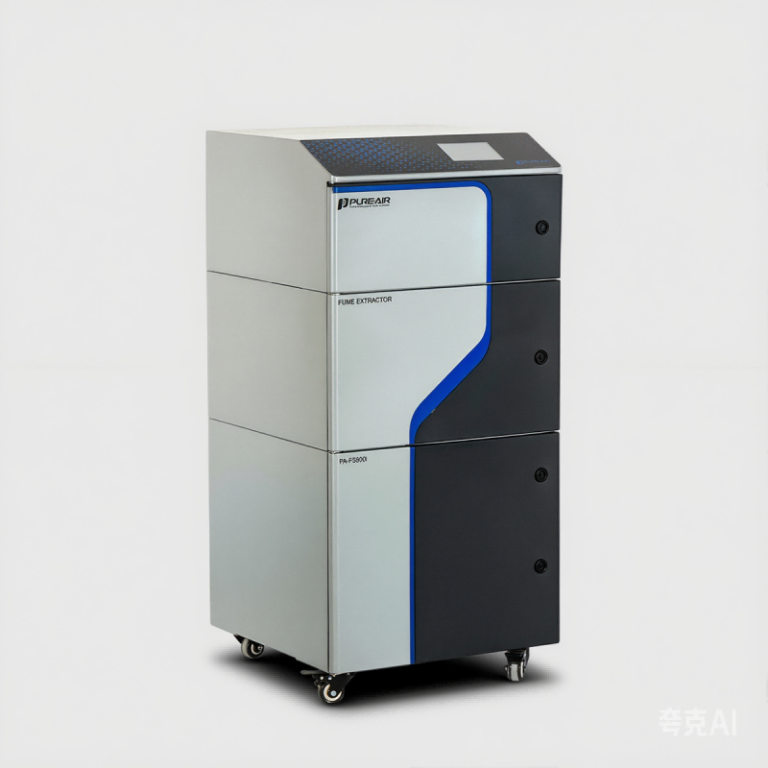
I’ll be direct: poor capture of fumes costs more than comfort. It raises health risks, invites corrosion on circuit assemblies, and creates downtime for cleaning and rework. I want to walk you through why standard fixes fall short and where we should aim next. Let’s move from the scene I described to the deeper technical faults beneath common systems.
Part 2 — Where common systems fail (deep dive)
dust & fume extraction solutions are widely sold with bold performance claims, yet many installations underperform the day they go live. I’ve seen units sized by simple rule-of-thumb rather than measured airflow (CFM) needs. That mismatch leaves fumes lingering at the worker’s breathing zone. Look, it’s simpler than you think: if the capture hood isn’t matched to the soldering profile or the workstation layout, you get cross-drafts and smeared contamination.
Why do traditional approaches break down?
Two technical failures recur. First, poor capture geometry: bench hoods placed too high or too far create low capture efficiency. Second, filter misuse: systems that rely only on basic particulate filters without activated carbon or appropriate HEPA stages fail to remove gases and VOCs. I’ve pulled filters that looked “clean” but had exhausted adsorption capacity—so vapors passed straight through. Add in intermittent maintenance schedules and you end up with systems that are nominally present but practically ineffective. Another point: many setups ignore electrostatic precipitator benefits for particulates, or fail to account for solder flux chemistry. These are not subtle issues—they change exposure profiles dramatically.
Part 3 — Principles and practical directions for the next generation
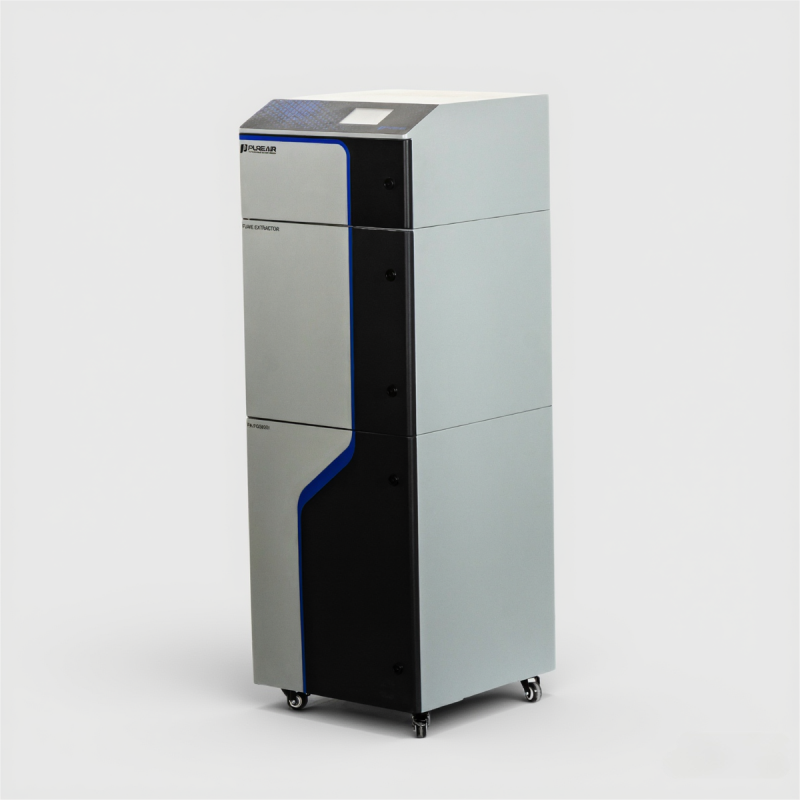
Moving forward, I recommend a design-first mindset that treats capture and filtration as an integrated system. New technology principles emphasize matched capture (hood geometry and face velocity), staged filtration (pre-filter, HEPA, activated carbon), and real-time monitoring—sensors that alert when airflow or filter performance degrades. By combining proper airflow planning with smart sensing, we reduce both worker exposure and product contamination. — funny how that works, right?
What’s Next: practical steps and measurable metrics
Here are three evaluation metrics I use when comparing systems: 1) capture efficiency at the worker’s breathing zone (measured CFM and face velocity), 2) filtration breadth (particulate plus gas-phase adsorption capacity), and 3) maintainability (filter change intervals, access, and sensor alerts). When suppliers demonstrate these with real measurements rather than lab claims, I pay attention. Compare those numbers against your soldering profiles, flux types, and any nearby sensitive equipment such as power converters or edge computing nodes. That’s where the rubber meets the road.
To close, I’ll be candid: good dust & fume extraction solutions are an investment in uptime and people. Evaluate systems by performance data, not brochures. And if you want a partner who can help benchmark and tailor solutions, check brands that back their specs with on-site testing. PURE-AIR has been one such name I’ve seen referenced when firms move from guesswork to measured outcomes.