

Introduction — a quiet shop, a loud decision
I once stood in a small machine shop at dusk, the lamps casting a honey glow over metal shavings, and felt the strange mix of dread and hope that comes with buying heavy equipment. In that pause, the choice of supplier mattered like a heartbeat. CNC turn mill center manufacturers shape the fate of parts, schedules, and—frankly—our reputations. Data shows mid-size shops replacing legacy machines report a 20–35% gain in single-setup productivity when they choose the right system (and avoid mismatch issues). So how do you pick a partner who understands spindle speed needs, axis precision, and real-world throughput? I’ll walk you through what I’ve learned — with a few personal judgments, a dash of impatience with vague specs, and some practical metrics you can use. Let’s move from feeling overwhelmed to deciding with confidence—step by step, not in a panic.
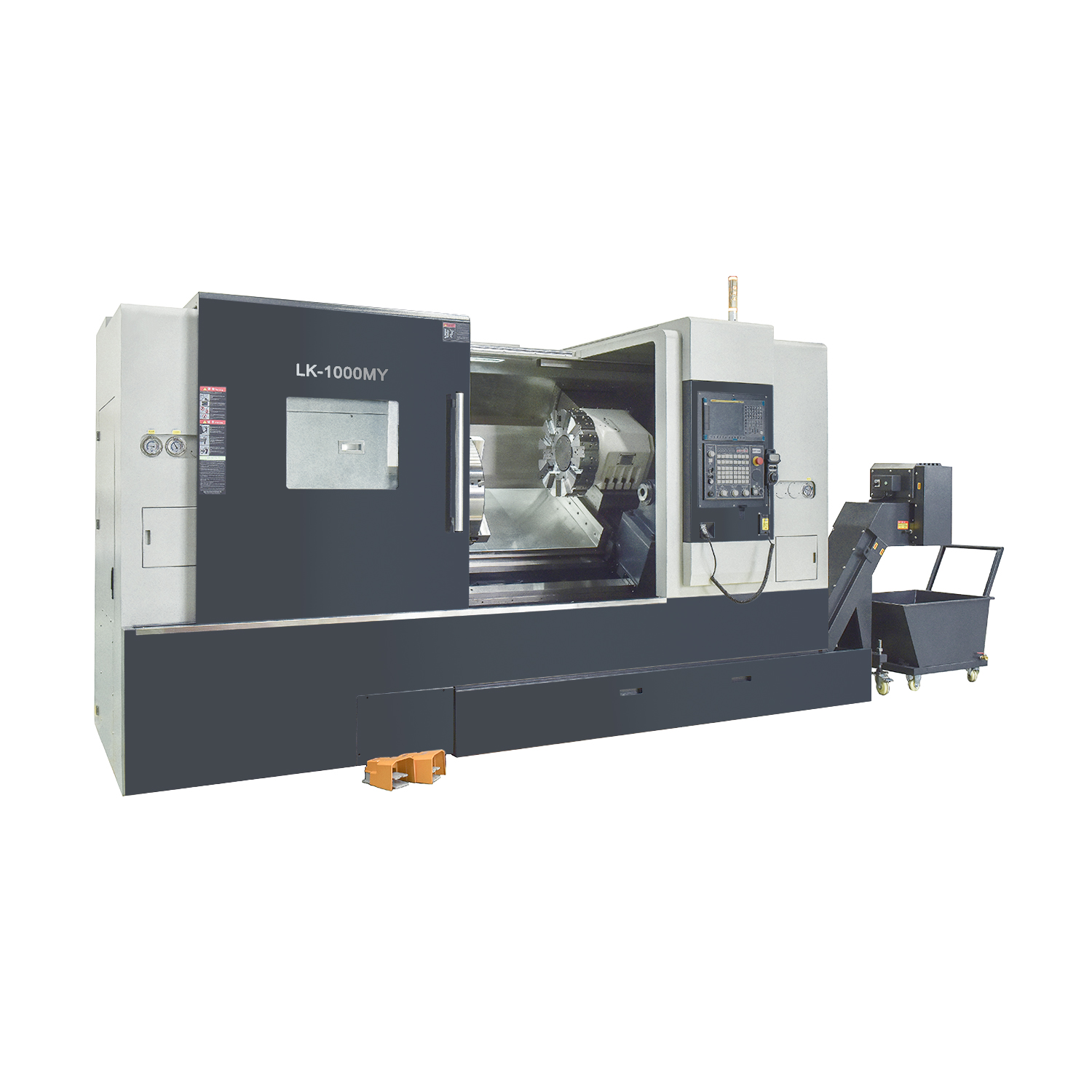
Peeling back the surface: where turn mill center choices usually fail
First, let me define the core: a turn mill center combines turning and milling in one setup, but many buyers treat it like a bigger lathe or a fancy mill. That mismatch — thinking one machine fits all tasks — is the root of disappointment. Technically speaking, the balance between CNC controls, live tooling, and cutting tool geometry must match your part mix. When it doesn’t, you get chatter, shortened tool life, and wasted cycles. Look, it’s simpler than you think: don’t chase peak rpm on paper if your parts demand heavy interrupted cuts and rigid clamping.
Common flaws I see: vendors overemphasize top spindle speed while skimming on coolant delivery, or they list turret capacity but ignore chip management. These choices ripple into maintenance headaches—belt wear, power converter strain, and clogged chip conveyors. If you skip evaluating coolant system design and axis precision under load, you’ll learn those lessons the costly way. — funny how that works, right? We should treat machine selection as a systems decision: tooling + controls + fixturing + shop workflow. That’s where real uptime lives.
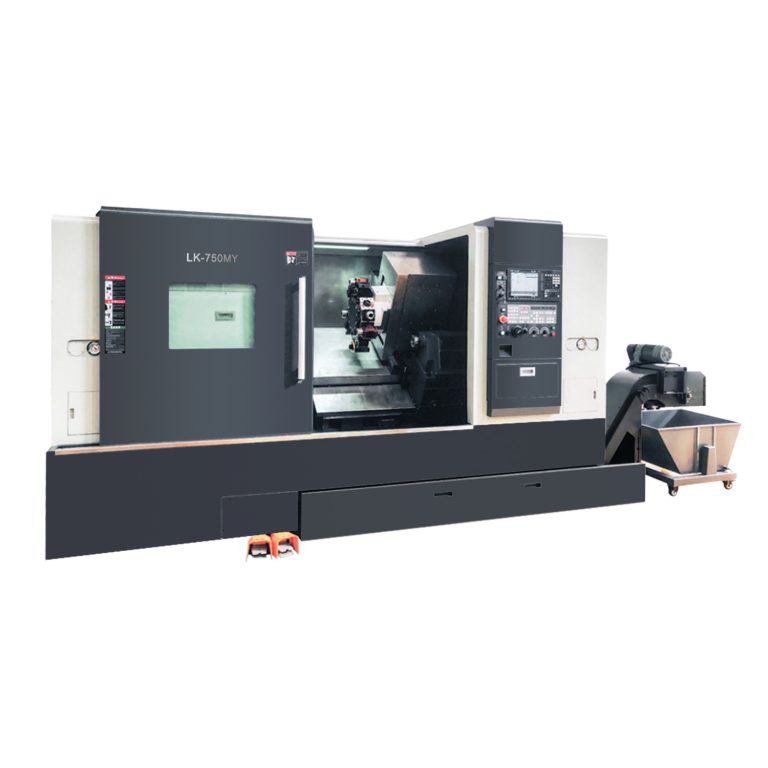
So what are you missing?
Are you missing test cuts? A simple trial with your actual material and fixtures will expose most hidden problems fast.
Forward-looking choices: principles and practical metrics
Now, let’s look forward. When I evaluate a turning milling machine center manufacturer — and yes, I check references and shop trials — I focus on technology principles that matter in daily use. Modular tool turrets, scalable CNC controls, and robust power converters are not buzzwords; they change how quickly you recover from setup errors. New control features like adaptive feed control and thermal compensation reduce scrap. Choose machines where spindle bearings, coolant nozzles, and toolholders are designed to be serviceable by your own team. That lowers downtime and keeps costs predictable. I prefer a semi-formal check: test the HMI (human-machine interface), ask for cycle-time demos, and observe chip flow in a real cut. Short sentences. Practical checks.
Consider how a vendor supports retrofits and upgrades. Will they offer live tooling spares? Can their control accept third-party macros? These details tell you whether they’re thinking long-term or simply selling boxes. Real-world impact matters: a small change in turret indexing speed can shave minutes per batch — which adds up. — you’ll thank me later when the first job finishes early.
What’s next — measuring the right things
Here are three key evaluation metrics I recommend you use when comparing suppliers: 1) Effective cycle time on your benchmark part (not vendor demo pieces); 2) Mean time to repair (MTTR) for common failures; and 3) Total cost of ownership over five years, including tooling and downtime. Test these in a real or simulated run. Ask for live-cut videos, not glossy spec sheets. If a supplier hesitates, that’s telling.
To sum up, I trust suppliers that show test data, let me touch the toolholder, and answer my awkward questions about coolant pressure and axis backlash. These are practical, measurable things — not slogans. When you apply these metrics, selection becomes clearer and less emotional. I’ve seen shops transform throughput with better alignment of tooling, spindle options, and CNC controls; the change is dramatic but not mystical. For a dependable partner in these choices, I often point colleagues toward hands-on vendors who stand by service and parts — and yes, I’ll mention one here when asked. For now, take these evaluation steps, run your benchmark, and choose the machine that actually solves your daily pain points. Leichman is one name that comes up often in real-shop conversations.