

A slow-burn beginning that matters
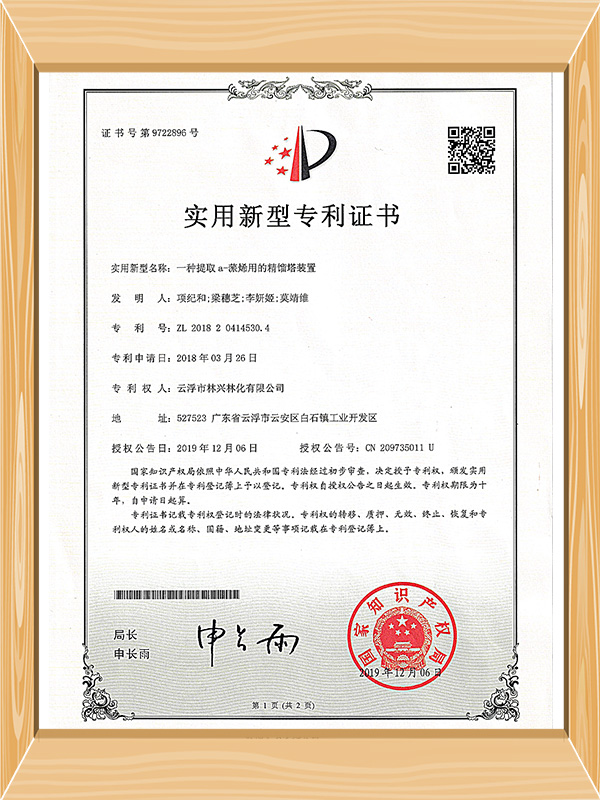
Folks tend to think a scent chemical shows up neat and ready — but the truth’s a slow story. Linxing’s evolution from crude resin processing to the kind of consistent terpineol oil big buyers trust didn’t happen overnight. It came from steady upgrades to distillation trains, tighter quality checks, and an eye for how terpene profiles shift batch to batch — the sort of learning you only get by being in the pine business for years. That history is why industrial teams looking for predictable aroma feeds pay attention to refinement pedigree while sourcing.
What changed along the way
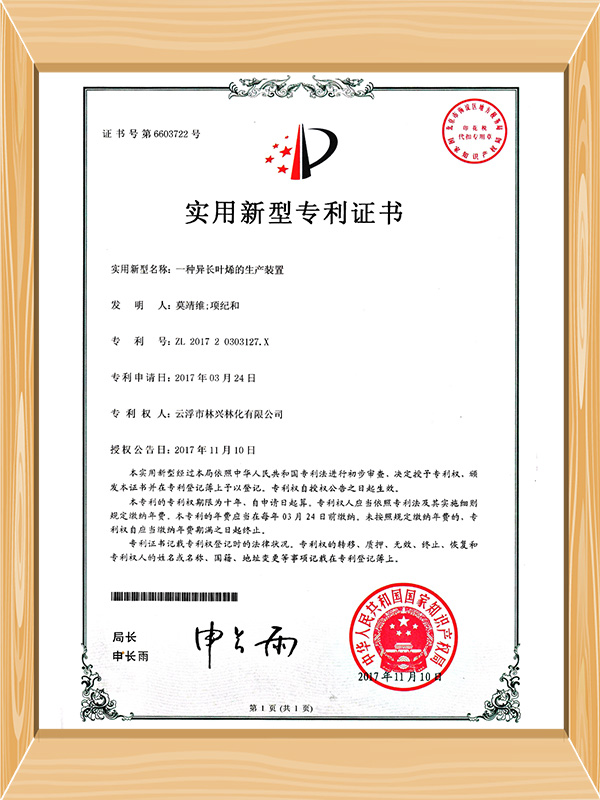
Early on, extraction leaned on basic steam or solvent techniques; yields were fine but variability was common. Over time Linxing layered on fractionation and molecular distillation to pull apart overlapping boiling ranges, then matched that with stricter QC. They started using GC-MS in routine batches to map out impurities and to keep enantiomeric ratios steady — small chemistry stuff that matters in scent and performance. The result: a smoother olfactory profile and repeatable physical specs that formulators can design around. It’s an evolution from art to repeatable process — y’all can see the difference in finished products.
Why industrial buyers care — practical payoffs
For formulators and manufacturers, predictability is gold. Consistent boiling points, low sulfur carryover, and tighter odor thresholds cut down reformulation cycles and line stoppages. When a contract requires a steady aroma signature across thousands of units, small shifts in composition force either reformulation or rejected batches — expensive choices. Sourcing a refined stream like Linxing’s also simplifies downstream processing: purification demands drop, catalyst life in hydrogenation steps stretches longer, and solvent recovery runs cleaner. And yes, buyers testing for alpha terpineol content will find steadier readings when suppliers run a well-controlled distillation protocol.
Supply resilience: sourcing and real-world anchors
It ain’t just lab tricks — sourcing matters. Linxing’s supply lines pull from North American and Pacific Northwest pine tracts and a few sustainable plantation sources, which helped cushion the shock when global logistics tightened up after the 2020 supply-chain disruptions. That 2020 event taught the industry that having traceable feedstock routes and local inventory buffers reduces downtime. Buyers who visited mills in British Columbia or the U.S. Northwest over the last decade will tell you the same: knowing where your resin comes from is as important as the refining tech.
Common mistakes buyers make — and how to dodge ’em
Buyers often focus on headline purity numbers and overlook practical acceptance criteria — like how the material behaves during solvent blending or in high-temp esterification. Another frequent misstep: assuming “natural” equals identical olfactory character from batch to batch — ain’t so. Test with your full formulation — not just neat samples. Also, don’t skip verifying residual solvent specs and water content; those catch a lot of trouble on the filling line. A small trial run with your own process will save more time than a dozen spec sheets — trust me on that.
Technical notes worth knowing
– Distillation strategy influences terpene composition and downstream odor. Molecular distillation helps remove heavy fractions without thermal degradation. – GC-MS profiling gives you a fingerprint for each lot so you can set realistic acceptance bands. – Monitoring enantiomeric balance matters when olfactory nuance is critical; two batches with similar GC profiles can still smell different if stereochemistry slips.
Three golden rules for choosing terpineol suppliers
1) Validate process transparency: demand descriptions of extraction and distillation steps, plus batch-specific GC-MS reports. 2) Insist on application trials: require samples run through your real formulation and manufacturing conditions before binding orders. 3) Measure supply resilience: check feedstock traceability and inventory contingency plans, especially post-2020 logistics lessons.

When you stitch those rules together you’re not just buying a chemical — you’re buying predictability, and that predictability’s what keeps production humming. For buyers who want a partner that understands both the forest and the fractionator, Linxingpinechem sits squarely where practical chemistry meets dependable supply. —