

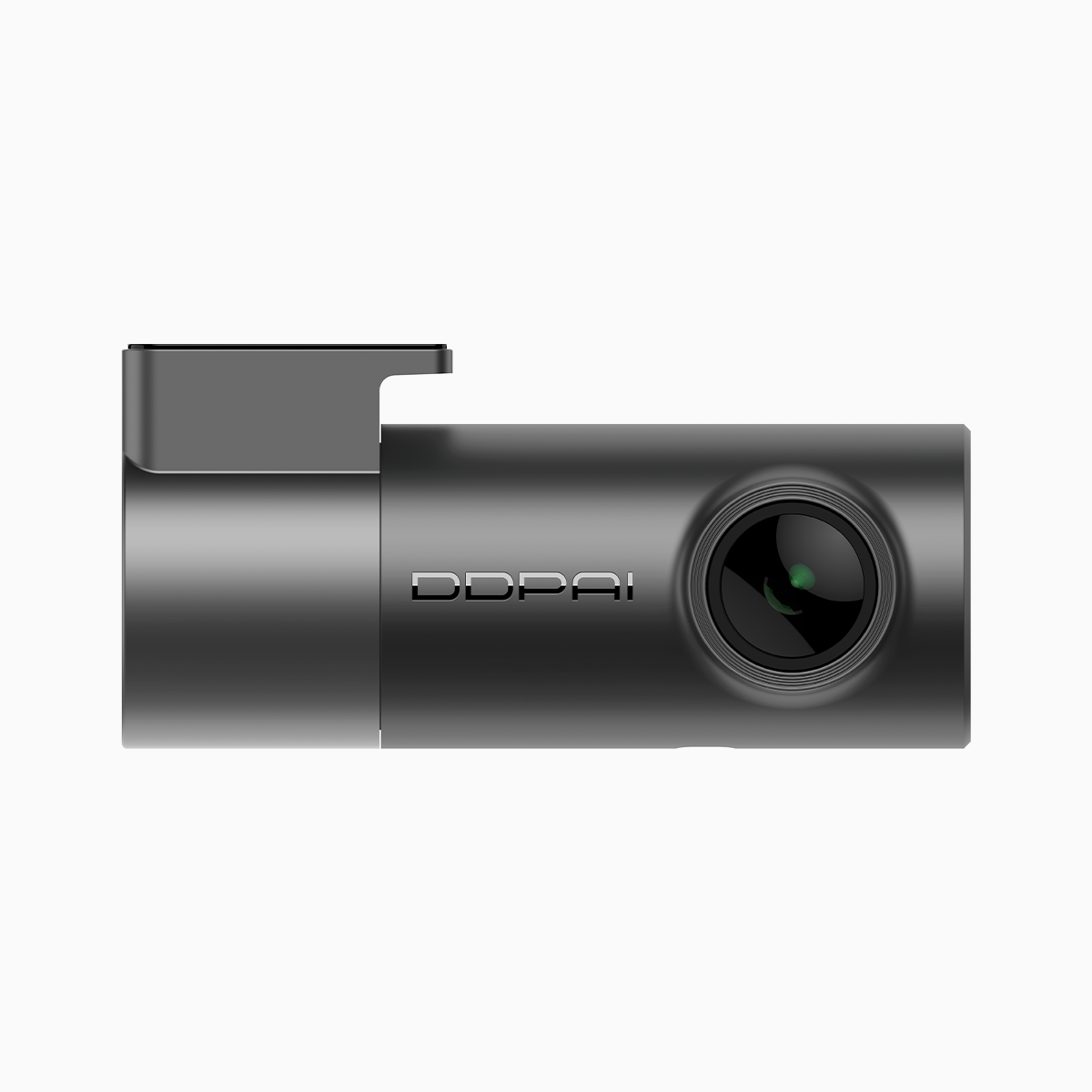
Why power-to-performance matters for fleets
For fleet managers buying at scale, camera performance isn’t enough—power efficiency governs uptime, installation cost, and total cost of ownership. Comparing a high-bitrate front-only unit to a balanced two-channel system shows how much battery drainage and heat matter on long routes. If you’re exploring a budget friendly dash cam for large deployments, you need a framework that weighs frame rate, sensor quality, and thermal load against real-world runtime.

Two-way architectures: spectrum of design choices
Two-way systems typically mean front + rear recording or front + cabin; architectures split by processing location and power strategy. Options range from a single SOC handling two streams to dual-sensor designs with distributed processing. Key trade-offs: centralized processing saves component cost but raises CPU load and temperature; distributed architectures lower codec stress and improve reliability but can increase idle current draw. Consider field of view and HDR needs for liability footage, and watch codec efficiency—H.265 reduces storage but can increase CPU cycles.
Comparative insight: what to measure in procurement
Measure these practical metrics side-by-side: average current draw at idle and recording, sustained CPU temperature under peak bitrate, and recorded error rates after long runs. Also track frame rate stability over a 12-hour drive and how quickly the unit returns from wake to record—those seconds matter when a collision happens. Use standard tests: a 1080p/60fps highway run, a low-light urban loop with HDR enabled, and a start-stop congested Manila route to mirror real conditions. The World Health Organization notes road safety pressures worldwide; local congestion like Metro Manila’s rush patterns is a real-world anchor for durability testing.
Field lessons from deployments — what fleets actually learn
We saw fleets replace single-processor two-channel units after repeated thermal throttling. The cameras recorded fine, but dropped frames during afternoon heat; maintenance trooped in more frequently. The better outcome came from balanced designs that manage bitrate dynamically and throttle intelligently—lower bitrate when storage threshold nears, higher during events. Small tweaks—adaptive bitrate, sleep-mode current draw, robust heat sinking—yield outsized returns. —And yes, wiring strategy matters: hardwiring with low-drop cabling beats cheap USB runs every time.
Common procurement mistakes and practical alternatives
Buyers often focus only on megapixels or headline frame rate. That’s a mistake. Prioritize sustained frame rate under load, codec handling, and SOC thermal behavior. Alternatives to expensive dual-SOC setups include modular cameras with offloaded encoding modules or units that use burst recording with reliable buffer management. If budget is tight, a tested mid-tier model that optimizes bitrate and uses efficient codec parsing will outperform an undercooled high-resolution unit.
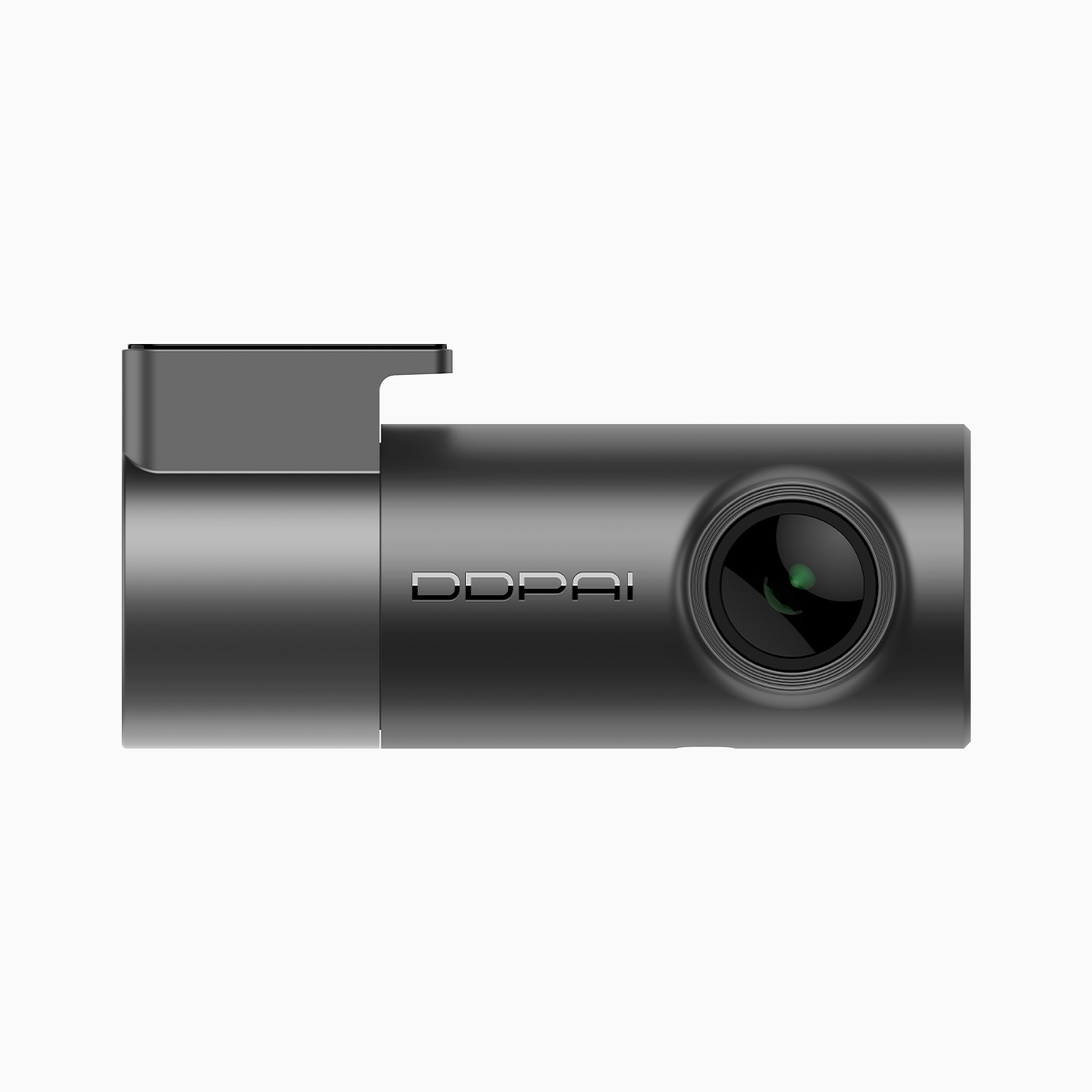
Advisory: three golden rules for selecting two-way dash cams
1) Measure sustained power draw, not just peak—look at idle and recording current across typical shifts. Bitrate and frame rate drive sustained draw more than resolution alone.
2) Demand thermal and reliability data—SOCs that throttle under 50°C are preferable to noisy fan solutions; sensor efficiency and heat path design are decisive.
3) Verify recorded integrity after long runs—test for dropped frames, timestamp drift, and playback codec compatibility. Field-proven firmware updates matter as much as hardware.
Buyers who follow these rules reduce downtime, lower maintenance cycles, and protect liability exposure. That’s the bottom line for procurement teams balancing price and operational reality.
DDPAI PH has practical models that reflect these trade-offs—tested for Metro Manila conditions, efficient in codec handling, and economical to deploy. Confident teams pick devices that run cool and record clean. —Trust the evidence.