

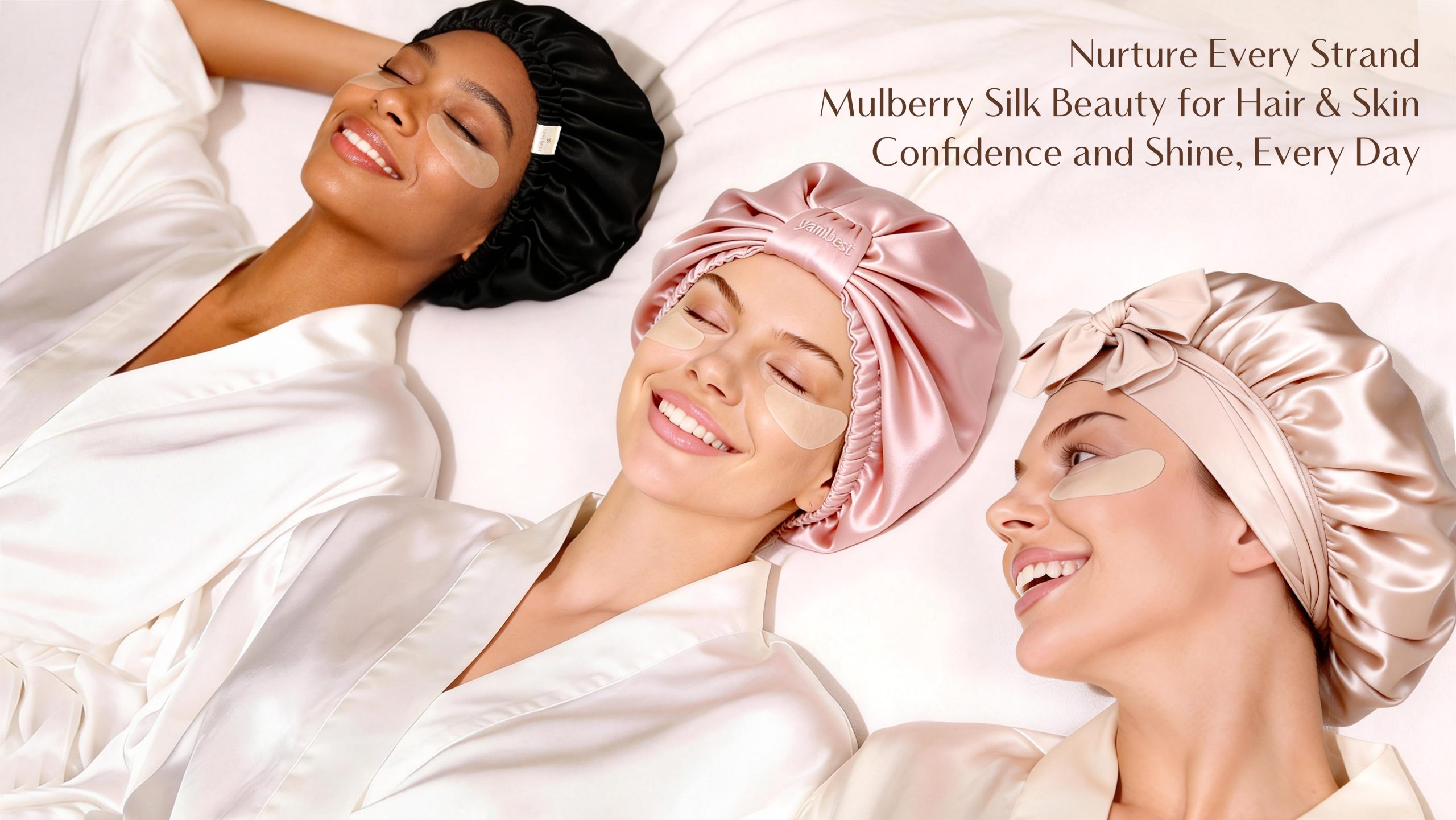
Problem definition: what fails overnight and why it matters
Hair damage overnight results from three mechanical failures: surface friction, moisture migration, and compression stress. Curls abrade at contact points, braids flatten where fabric clamps, and protective styles lose definition when moisture equalizes inside and outside the bundle. A correctly chosen silk sleep mask demonstrates the same mitigation logic required for bonnets: low-friction interface and controlled microclimate. Los Angeles dermatologists note patient improvements when swapping cotton to silk-based sleep accessories, and many endorse the best silk sleep mask for minimizing friction-related breakage—this practical input aligns with lab observations from textile friction testing and field trials in salons. I write from combined experience as a product design engineer and salon technician, translating observed failure modes into measurable selection criteria.

Root causes mapped to measurable criteria
Translate each failure mode into a spec. Friction: prioritize fabrics with low coefficient of friction versus hair (silk and charmeuse satin outperform cotton). Breathability: choose weaves that allow limited moisture exchange to avoid condensation pockets. Compression: bonnet geometry (depth, crown volume) must match hairstyle volume; elastic pressure should stay below skin-cutting thresholds. Use these target metrics when evaluating options: fabric type (100% mulberry silk preferred), momme weight (≥19 for durability), seam profile (flat or external, wide seam allowance), elastic width (10–25 mm), and internal chamber depth (measured clearance of 1.5–3 cm above hair bulk for curls, 3–6 cm for heavy braids). Quantify rather than eyeball these properties during selection.
Material and construction details that solve the problems
Silk: natural filaments present smoother surfaces at the fiber scale and maintain tensile integrity at recommended momme weights; pick charmeuse weave with 19–22 momme for balance of softness and longevity. Satin (polyester satin): lower cost and similar handfeel but higher static and lower breathability—acceptable for short-term use but suboptimal for long-term hair health. Seams: flat felled seams or external piping remove ridges from the interface. Closures: a wide elastic band with a soft fabric cover disperses pressure; drawstrings with soft cord locks let you tune pressure without localized pinch. Liner options: single-layer silk for most; double-layer or silk with a microfiber inner for high-friction, coarse hair types to reduce slippage of the bonnet on pillow surfaces while keeping hair-surface friction low.
Style-specific engineering choices
Curls: shallow crown profile with ample lateral clearance preserves curl clumps—design target: 1–3 cm clearance, low-tension elastic, and interior pockets to keep curls from rubbing against seams. Braids and twists: deeper chambers (3–6 cm) and stronger perimeter hold maintain braid alignment and reduce mechanical movement. Wigs and protective weaves: use bonnets with a soft, wide band to secure underlying cap without compressing the hairline. For overnight masks paired with bonnets, coordinate fabric type and weave so the bonnet and mask have comparable friction coefficients; mismatch increases shear at interfaces.
Common pitfalls and how to avoid them
Tight elastic that creates a halo of breakage at the hairline; avoid by testing pressure with a fingertip under the band—if it blanch-presses, it’s too tight. Choosing low-momme silk that pills within weeks; prefer the ≥19 specification. Buying polyester satin labeled as “satin” assuming it equals silk; evaluate breathability and static buildup practically by monitoring scalp humidity overnight. Ignoring seam placement—central seams should be avoided where hair contacts them. Relying solely on aesthetics rather than fit measurements (circumference and depth) leads to repeated product returns and inconsistent protection.
Alternatives and trade-offs evaluated
High-momme mulberry silk equals best long-term friction reduction and durability but costs more. Polyester satin provides short-term aesthetic benefits and can perform acceptably for low-friction needs, though it increases static and reduces moisture-wicking. Cotton caps preserve heat and moisture—useful when you deliberately want hydration retention for treatments—but they compromise surface friction. For most protective-style objectives, silk bonnets that meet the material and construction specs above deliver the best trade-off between hair health and user convenience.
Conclusion: a problem-driven selection checklist
Start with the failure modes you observe: friction, moisture imbalance, compression. Match each to measurable specs—fabric type and momme, seam profile, elastic width and tension, and chamber depth for your style. Test a candidate bonnet overnight for two cycles, monitor hairline stress points and curl definition, then iterate. For a consistent baseline and practical product choices aligned with these engineering criteria, resources cataloged by yanibest provide useful reference points without replacing hands-on verification in your own routine.