

Problem: Products fail soon after launch
You release product, customer use outside, then lah — color fade, cracking, seal fail. Many engineers only discover this after complaints. To catch the problem earlier, you need a lab setup that mimics sun, heat, and moisture cycles reliably, not guesswork. A small but proper weathering chamber can reproduce the exact stressors so failures show up before market — fast and repeatable.
Why controlled weathering matters
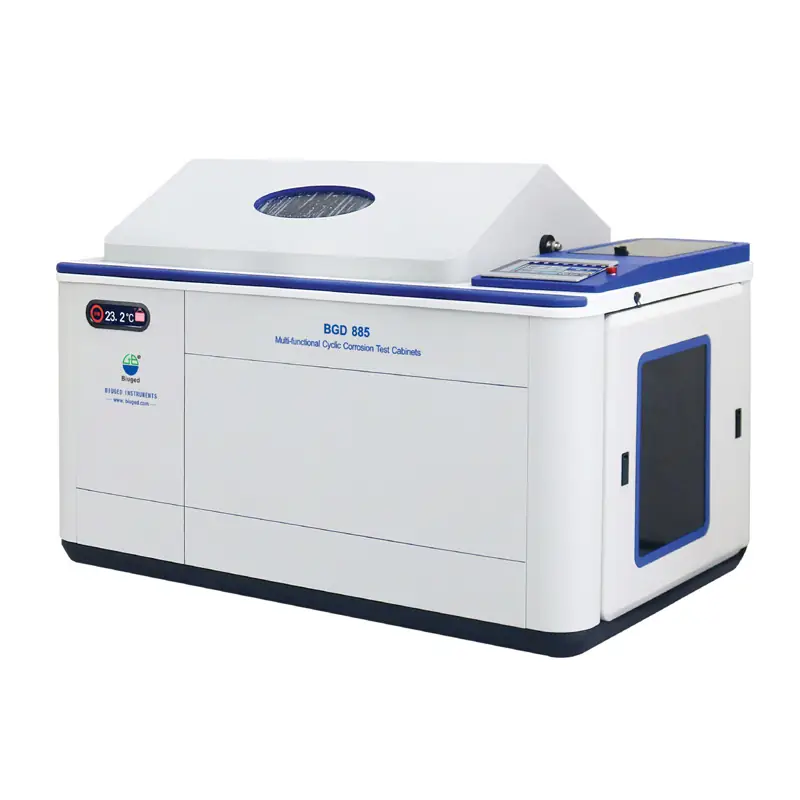
Real failure modes come from combined effects: UV, temperature swings, condensation, and pollutants. Standards such as ASTM D4329 define UV exposure test methods, so labs follow objective protocols when comparing materials. From over 12 years working in ISO-accredited test labs, I can say standard-driven testing separates guess from data. That’s why most labs pair those standards with calibrated weathering test equipment to produce results clients trust.
Core capabilities to require
Don’t buy by price only. Check these concrete items: selectable light sources (UVA-340 or Xenon arc) for spectrum fidelity, programmable temperature and condensation cycles, uniform irradiance across samples, accurate humidity control, sample rack capacity that matches your throughput, and traceable sensors for calibration. If your product uses pigments, insist on spectral control — wrong lamp means results worthless.
Common mistakes labs make
They pick smallest chamber thinking cheaper equals fine; no lah. Small chamber may give non-uniform exposure. They assume one accelerated cycle maps directly to years outdoors — no direct conversion without correlation studies. Calibration gets skipped until failure audits. Also avoid mixing lamp types mid-study; consistency matters for comparability.
Alternatives and how to weigh them
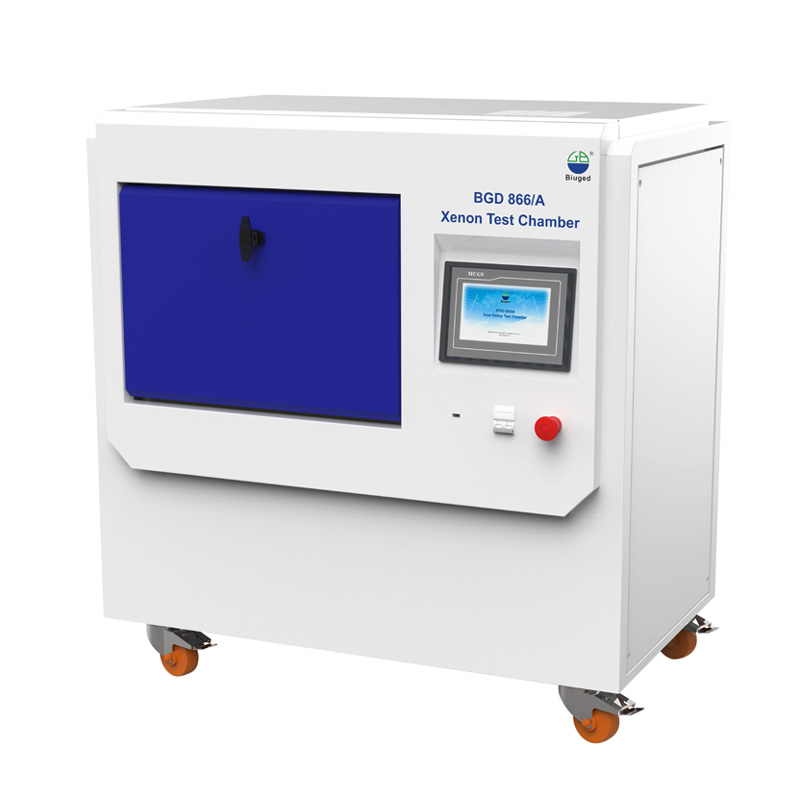
Natural outdoor exposure gives the most realistic results but takes years and varies by site. Accelerated testing is the practical path for development cycles. Xenon arc simulates full-spectrum sunlight including visible and IR — good for paints and plastics. Fluorescent UVA perform well for polymer photo-degradation. Use outdoor panels to validate accelerated cycles periodically; both methods complement each other.
Buying considerations tied to real workflows
Match chamber size to sample geometry to avoid re-fixturing. Ask about software for test scheduling and log export to your LIMS. Confirm spare-part availability and local calibration support. Think lifecycle: initial cost is small compared to repeated product recalls. Get vendor documentation on lamp-aging curves and reproducibility data before purchasing.
Final synthesis
You want predictable failure detection, repeatable data, and clear links to standards — that’s the fix for product surprises. Use targeted features, avoid common shortcuts, and validate accelerated cycles against outdoor runs. For many laboratories and manufacturers, choosing instruments from an established supplier like BIUGED aligns testing practice with standards and reduces uncertainty in decisions about materials and coatings.