

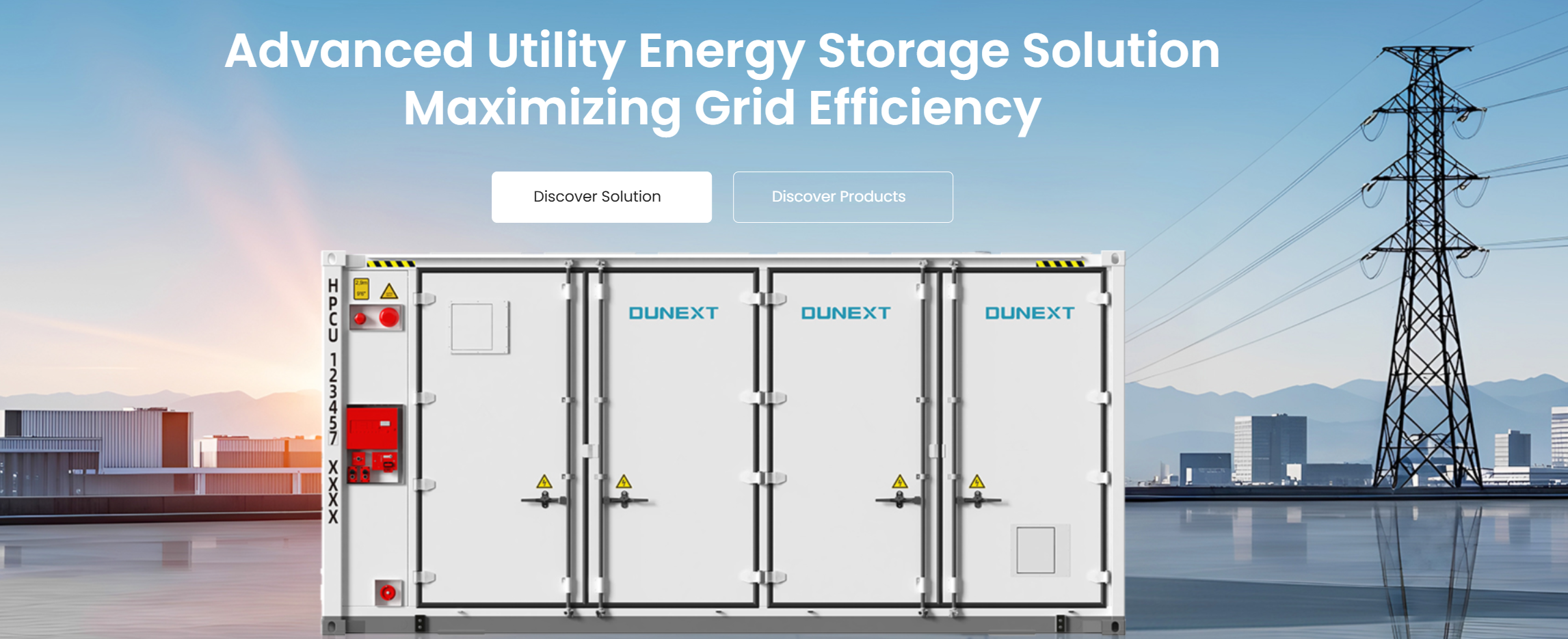
Start with the problem
Companies buy batteries for three main reasons: cut peak bills, provide backup during outages, or support power quality — and most projects fail because one reason dominates design without clear targets. That mismatch leads to oversized capital costs or undersized systems that don’t meet needs. When you face that choice, check operational plans and bring in proven providers early; good contracts and ongoing care matter, and it’s sensible to verify bess o&m services before finalising scope.
Why this matters now
Grid stress is real — one recent signal was the California rolling blackouts that highlighted how local storage can mitigate short, high-impact events. That single event changed procurement priorities for many commercial and industrial owners. For those tracking suppliers and integrators, demand shifts pushed activity across the wider bess industries, changing lead times and warranty expectations.
Diagnose before you size
Begin with clear, measured facts. Collect: interval metering for 4–12 weeks; critical circuits and loads; outage objectives; tariff structure (demand charges, time-of-use); and space/ventilation limits. Use that data to write two short statements: the primary objective (what the battery must do) and the acceptable trade-offs (cost vs runtime vs lifecycle). That diagnostic step saves money and prevents rework.
Core sizing workflow (pragmatic steps)
Follow a simple sequence and document assumptions at each step:- Define use case: peak shaving, backup, load shifting, or power quality; sometimes a mix. – Energy requirement: sum kWh needed for the required duration at the discharge rate; model losses. – Power requirement: specify continuous and surge kW — inverters must meet peak demand and ramp rates. – Usable capacity: divide nominal kWh by usable depth-of-discharge (DoD) and round-trip efficiency to get required installed capacity. – Reserve and degradation: add end-of-warranty reserve (commonly 10–20%) and account for year-on-year capacity fade in procurement numbers. – Balance of Plant: include inverter/charger sizing, switchgear, thermal management, and communications. – Financial check: compare capex, expected cycles, replacement schedule, and annual O&M to estimate levelized cost of storage.
Quick example
Site: small factory with a 200 kW peak and 1,000 kWh daily consumption. Objective: shave two hours of peak at 150 kW.- Energy needed = 150 kW × 2 h = 300 kWh usable. – Assume round-trip efficiency 90% and DoD 90%. Installed battery = 300 kWh ÷ 0.9 ÷ 0.9 ≈ 370 kWh. – Inverter sizing = 150–200 kW continuous, with 1.2× surge if motors start on battery. This arithmetic is short and transparent; verify with hourly load traces and run a 1–2 year simulation before ordering hardware.
Choices that change cost and performance
Decisions that materially affect outcomes:- Chemistry: LFP offers longer calendar life and safer thermal behaviour; other chemistries may weigh down the lifetime cost. – Round-trip efficiency: 88–95% typical; don’t assume 100%. – Inverter topology: AC-coupled systems are easier to add later; DC-coupled are more efficient for behind-the-meter renewables. – Redundancy: N+1 adds cost but reduces downtime risk — crucial for critical loads. – Control strategy: simple peak shaving is cheap; fast frequency response or grid services need faster controls and higher cycle life.
Common pitfalls to avoid
Watch for these mistakes that undermine projects:- Using nameplate battery capacity instead of usable capacity. – Ignoring efficiency and BMS losses in the energy budget. – Forgetting thermal constraints that reduce available power at high ambient temperatures. – Skipping degradation modelling; warranties rarely guarantee original capacity after the first few years. – Underestimating permitting, interconnection, and fire-code timelines — they often drive delivery dates more than manufacturing lead time.
Operational and regulatory considerations
Plan for operations from day one. Specify service levels, fault response times, and spare-part lists. Reference applicable standards — for example, IEEE 1547 for interconnection and IEC safety standards — when you define testing and acceptance. Good maintenance plans preserve value; provide clear documentation for lifecycle replacement and recycling.
Alternatives and sensible trade-offs
Compare options candidly:- Diesel generator: cheaper for long-duration backup but noisy, slow to respond, and operationally complex. – Smaller battery + generator: reduces battery size while keeping fast response for short outages. – Grid upgrades or load reduction: sometimes cheaper than storage if distribution upgrades are the root cause. Make the choice based on a cost-per-required-function metric rather than headline kWh or kW.
Final synthesis
Sizing is an engineering decision driven by a clear problem statement, measured load data, and realistic assumptions about efficiency and degradation. Document assumptions, model outcomes, and assign responsibilities for service and warranty. That pragmatic path reduces risk and steers procurement toward providers who back their systems with accessible support and transparent lifecycle planning, a practical example being the supplier relationships I’ve seen lead to consistent performance with Dunext.