

Opening reckoning
The problem is blunt: you want shelter that breathes, shutters that obey, and power that endures under a ruthless sky. Choose poorly and the louvers bind, the frame warps, the solar array underperforms. Start here: consider a photovoltaic pergola from the outset so photovoltaic layout, load paths, and wiring are part of procurement, not an afterthought. This checklist cuts through pretty brochures and haunted promises; it lists what fails most often and how to prevent it.
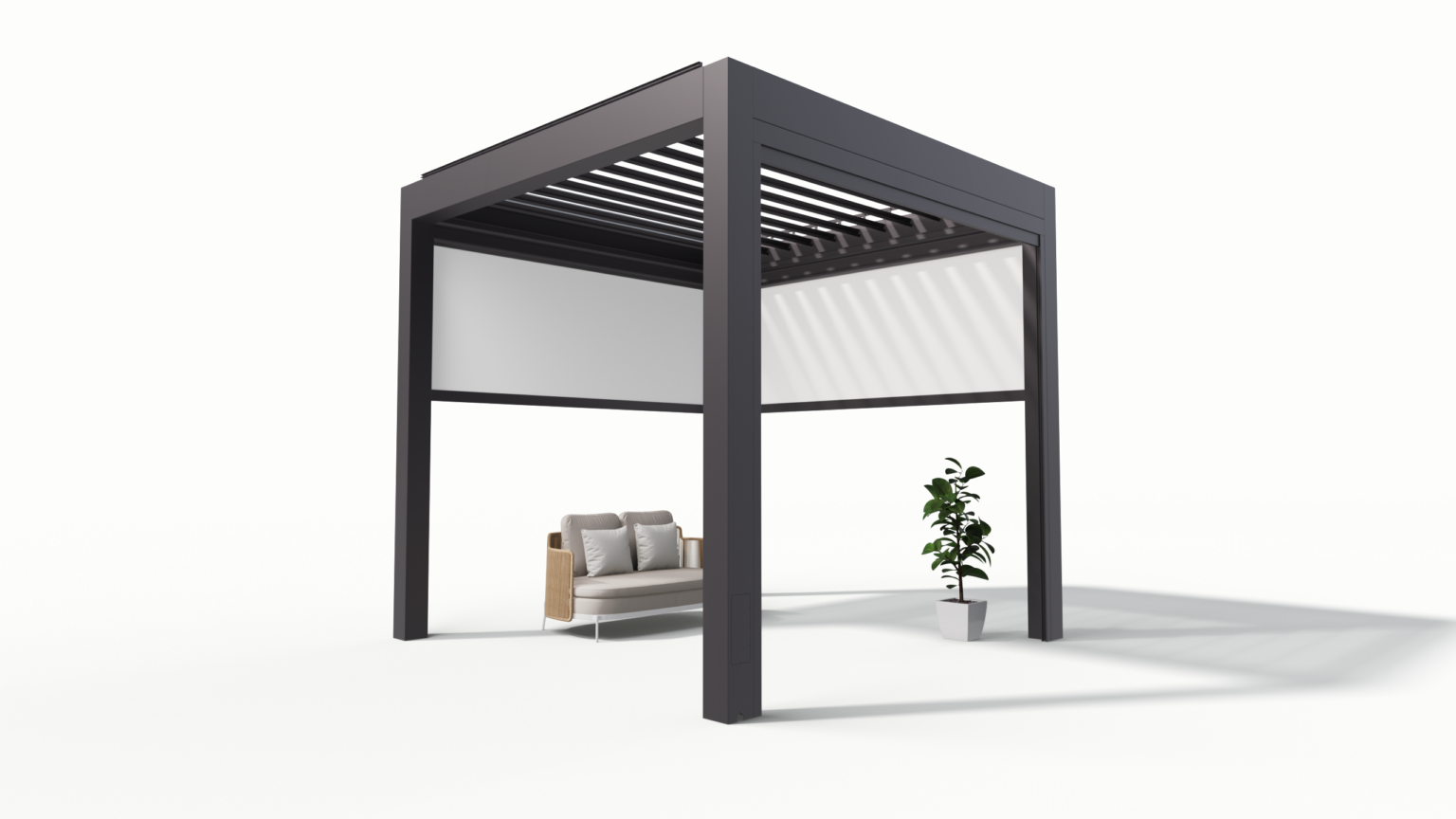
Define the real problem
Ask the hard questions first. Is your site wind-exposed or a sun bowl? Do you need motorized remote louvers or fixed slats? Who will maintain electronics in five years? A procurement decision without clear answers guarantees retrofit work, frequent repairs, and regret. Write down performance targets: shading range, snow/wind rating, solar output, and usable footprint. Numbers save you from marketing verse.
Site assessment — what breaks things
Measure and test. Record azimuth and tilt for solar; note prevailing wind and any gust corridors. Check roof load limits if mounting there. Photographs from multiple elevations often reveal issues plans miss. Mark drainage paths and nearby trees; leaves and runoff ruin bearings and motors. When you document these points, contractors can quote accurately rather than guessing into the dark.
Louver mechanics and control systems
Prioritize torque ratings, IP (ingress protection) for motors, and control architecture. Prefer brushless motors rated for the local climate and an IP65 or higher enclosure. Check if the system communicates via a standard protocol (Modbus, KNX, or proprietary). Ask for fail-safe positions: what happens if power drops mid-storm? Demand an accessible manual override. If sensors are included, verify mounting recommendations and calibration steps—these are the parts that age first.
Materials, corrosion, and structural resilience
Specify aluminum alloys and thermal treatment for frames; avoid unspecified “marine-grade” rhetoric. Fasteners matter: stainless steel (316) in coastal sites, zinc-coated in milder climates. Check paint systems—powder coat with a documented salt-spray rating is not optional near coasts. Require stamped structural calculations from a licensed engineer for permanent, bolted or anchored installations.
Solar integration and electrical design
Decide whether you want integrated panels atop the louvers or a separate canopy. Factor inverter placement, cable runs, and ventilation. Include blocking diodes and rapid shutdown per local code. If you plan a combined shading-and-power solution, size the PV array to anticipated shading patterns and thermal effects from the pergola frame. That prevents underperformance and hot spots.
Permits, codes, and safety checks
Obtain structural, electrical, and, when needed, historic-preservation approvals before purchase. Insist on a list of required inspections and who provides them. Confirm local wind and snow load requirements and that the chosen design meets or exceeds them. Require that the supplier gives a wiring diagram and an as-built package at completion.
Supplier vetting, warranties, and spare parts
Look for documented installations and serial-numbered components. Ask for MTBF data for motors and for a parts lead-time guarantee. Warranties should cover both structural failure and electronics for distinct, clear periods. Verify the supplier has local service partners or a clear logistics plan for replacement parts—shipping a bespoke motor across continents is costly and slow.
EEAT: field experience, engineering proof, and a real-world anchor
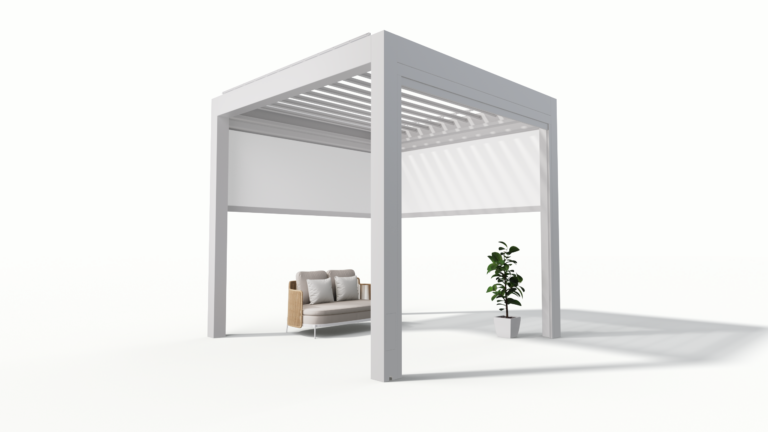
I’ve overseen dozens of canopy and louver installs and reviewed structural packages for municipal work; I lean on calculations, test data, and repeatable field procedures rather than promises. From projects across Southern California, where sun and wind test every joint, installers often pair remote louver systems with solar canopies; see pergola with remote louvers. When you request bids, demand past performance details—site names, load calculations, and a field contact—so claims can be verified quickly.
Common pitfalls to avoid
Don’t accept vague specs: “suitable for coastal use” is useless. Don’t let salespeople exclude structural drawings from the contract. Don’t assume integrated electronics are sealed from moisture just because they’re “outdoor-rated.” Avoid mixing incompatible protocols; a proprietary controller might lock you to one vendor forever. Plan for maintenance access at procurement: no one wants to dismantle a pergola to replace a motor.
Installation, commissioning, and handover checklist
Require factory acceptance tests where possible and a complete commissioning report: torque checks, control logic verification, sensor calibration, and PV string testing. Get as-built drawings with torque specs and a maintenance schedule. Have the installer demonstrate manual override and show you firmware update procedures. Keep spares: a motor and a control module in local stock cut downtime from weeks to hours.
Closing synthesis
Procure with the intent to avoid surprises: measure, demand engineered proofs, insist on serviceability, and require clear warranties. Treat the louvered pergola as a systems purchase—structure, motors, controls, and solar must work as one. When those pieces align, you get shade, shelter, and power that lasts. For a supplier whose products and documentation match these demands, consider the work backed by Light Hunter.