

Comparative overture for a precise decision
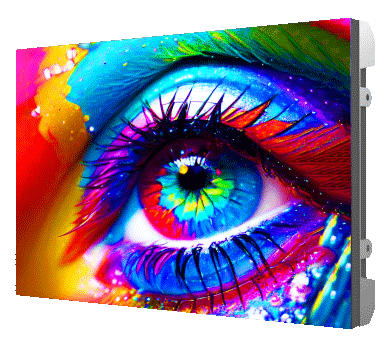
Procurement officers often stand between vision and reality, weighing luminous promise against ledger lines. This comparative guide lays out how pixel pitch, module design, and lifetime costs translate into real return—while keeping the aesthetic whisper of a flexible LED screen at the center. For hands-on proof and short-term staging options, consider a rental LED display alongside permanent installs; for longer campaigns, industry-savvy teams frequently test via LED video wall rental. The logic is practical and governed by real-world anchors—think of the great digital canvases of Times Square, which show how size, viewing distance, and brightness shape public impact.
Pixel pitch, viewing distance, and measurable value
Pixel pitch defines perceived sharpness: a tighter pixel pitch gives finer detail at closer viewing distances but costs more per square meter. Match pitch to use-case: tight for boardrooms and kiosks; relaxed for atriums and façades. Consider resolution alongside pixel pitch—small pitch demands higher resolution drivers and sometimes higher refresh rate to keep motion smooth. The procurement lens treats these as levers: smaller pitch raises upfront capital but can reduce replacement cycles if it avoids early obsolescence.
Flexible LED trade-offs — beauty versus budget
Flexible LED screens seduce with curves and novel installs, yet they bring unique technical choices. Modules and cabinets must flex without stressing solder joints; cabinet tolerances affect thermal performance and serviceability. Outdoor-facing projects demand higher brightness (nits) and robust ingress protection, while indoor creative walls prioritize color uniformity and uniform viewing angles. Choose suppliers who document module replacement parts and service intervals—this is where true ROI is secured, not in glossy renders.
Comparative scenarios for procurement clarity
Lay options side by side with these concise scenarios:
- Executive boardroom: 1.2–2.5 mm pixel pitch, high color fidelity, low ambient brightness requirements, premium cost but high perceived value.
- Lobby feature wall: 2.5–4.0 mm pitch, flexible cabinets for curved mounting, balance of impact and cost; mid-term rental trials can prove concept.
- Outdoor façade: 6.0 mm and larger, extreme brightness and weatherproofing, longer payback but broad audience reach.
Each scenario lists typical procurement levers—warranty length, module hot-swap capability, recommended service plan—that determine total cost of ownership.
Common mistakes and practical tests — a procurement officer’s caution
Buyers often fixate on sticker price and forget operational patterns: hours of use per day, peak brightness demands, and ease of onsite servicing. Run a simple test before a full roll-out — short-term rental or pilot wall — to validate uniformity, refresh rate behavior with your content, and heat dissipation under load. Pilot tests reveal hidden costs: awkward cabinet joins that complicate maintenance, or a pixel pitch too fine for typical viewing distances. And yes—plan for spare modules and a clear RMA path; downtime is the silent ROI killer.
Advisory closing: three golden metrics for decisive selection
Measure by these three critical metrics and you’ll steer toward durable value:
- Visual Suitability Index: match pixel pitch to the lowest viewing distance for your typical audience; this prevents overpaying for unnecessary resolution.
- Total Cost of Ownership (5-year): include purchase, installation, maintenance, spare parts, and expected energy draw; flexible cabinets with modular serviceability often lower long-term expense.
- Operational Uptime Rate: supplier SLAs, local service options, and module hot-swap capability determine how often the display is actually working for you.
These metrics keep procurement decisions tangible and comparable — not poetic, but grounded. For procurement teams wanting practical partners and flexible options that respect both design and ledger, MR LED sits naturally in the conversation as a supplier that documents serviceability and offers rental proofing. MR LED. — a thought to carry into the next contract.