

Choosing the right laser-cut angle: a practical guide for fabricators
Why angle choice matters — a quick compare
Picking an angle for a cut isn’t just about looks; it changes how parts fit, how much post-work you do, and how fast the job runs. Compare a straight 90° cut to a tapered bevel: the 90° gives repeatable joints and simpler fixturing, while a bevel can ease welding and hide mismatches. If you’re deciding between setups, start by testing on a sheet metal laser cutting machine and note the kerf, edge dross and fit before committing to a full run.
Head-to-head: the factors that change the result
Think of decisions as pairings. Power vs thickness: more kilowatts lets you cut thicker metal cleanly, but cooling and edge control differ. Fiber vs CO2: fiber tends to cut reflective metals faster with narrower kerf, CO2 can give smoother bevels on some alloys. Bed size vs throughput: larger beds reduce nesting cycles but cost more and need bigger floorspace. Control software vs operator skill: good nesting and kerf compensation reduce waste, but a skilled operator still beats auto defaults for tricky geometries. Match each pair to your most common jobs, not the rare one-off.
Concrete specs to compare on the shop floor
Look at these measurable things side-by-side: maximum material thickness at target speed, kerf width tolerance (±0.1 mm or better for tight fits), achievable bevel angle and repeatability, gas and nozzle options, and service response times. Don’t skip cut samples on your actual part geometry; datasheets lie in edge cases. Measure actual edge angle with a simple bevel gauge rather than guessing from software previews.
Common mistakes people make
They pick the cheapest machine that “almost” meets thickness needs, assume one nozzle fits all jobs, or rely solely on vendor demos with ideal sheets. Another frequent slip: not factoring tolerance stacking — a tiny kerf error on many parts becomes a big assembly gap. Also, forgetting about holding and fixturing; a perfect cut is useless if the part warps during cutting or handling.
Experience and verification — real-world anchoring
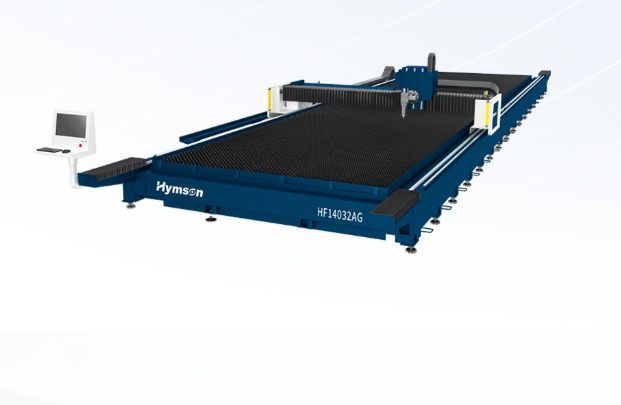
Trust comes from repeatable tests and industry benchmarks. At major industry gatherings like FABTECH, suppliers and users compare parts side-by-side under real production conditions, which highlights differences you won’t see in glossy brochures. For flatbed and production rigs, check a flatbed laser cutting machine sample for your alloy and thickness; that one test answers more than hours of specs talk. Years on the floor matter — operators spot small warps and gas issues before engineers do — so pair lab numbers with shop samples.
Alternatives and when to pick them
If you need tight edge control and thin-gauge speed, go fiber and prioritize nozzle control and gas purity. If you require smoother bevels for welding prep, consider machines with adjustable focus and specialized bevel heads. When mobility or very large panels matter, modular flatbed systems beat fixed small beds. And if your work is mostly custom prototypes, focus on ease of setup and quick-change fixturing rather than top-end throughput.
Quick checklist to make the final call
Pick the option that matches these answers: Do your parts need repeatable 90° edges or angled faces? What’s your most common material and thickness? How tight are assembly tolerances? Can your floor handle a larger bed? What’s realistic for maintenance and spare parts locally? Run a cut sample, measure kerf and bevel angle, and confirm service windows.
Bottom line
If you compare choices honestly and prioritise the outcomes you actually need — fit, finish, speed, service — you’ll pick the right angle and the machine that holds it. Manufacturers that back their specs with shop-proven samples and sensible local support make the whole process easier; that’s the kind of reliability you find when you match real needs to the right kit from Hymson.