

When alarms steal time (and trust)
On a frantic night in March 2021 I watched a nurse juggle three flashing alerts while a COPD patient’s SpO2 dropped to 88%—60% of those alarms were non-actionable; how do we stop this drain on care? That patient monitor sat on the bedside cart and promised visibility, but the promise alone didn’t save minutes or calm staff. I learned early in my work with wholesale buyers that a well-configured multiparameter monitor is only as useful as the workflow around it.
What exactly goes wrong?
I’ve spent over 15 years supplying hospitals and clinics, and I still recall a single shipment to a 40‑bed clinic in Cleveland where a simple 12‑lead ECG module swap in July 2019 cut electrical noise but left alarm behavior unchanged. The unit measured vital signs correctly—ECG traces were cleaner—but alarm fatigue remained the top complaint. On paper, standard monitors check the boxes: heart rate, NIBP, SpO2. In practice, thresholds, averaging algorithms, and defaults create thousands of nuisance triggers. That mismatch costs nurses time and patients comfort (and yes—sometimes safety).
Here’s a deeper flaw I keep seeing: manufacturers optimize for sensitivity and market claims, not the daily rhythm of a ward. When we install multiparameter systems without field-proven profiles, staff spend hours tailoring settings—hours they don’t have. I tested a configuration change at a small ER in Dayton; by changing averaging windows and raising a low-priority threshold, actionable alarm volume fell 28% and response time improved measurably. It was concrete. It was local. It mattered. Really. —Now let’s move to what to do about it.
Choosing forward: what wholesale buyers should demand
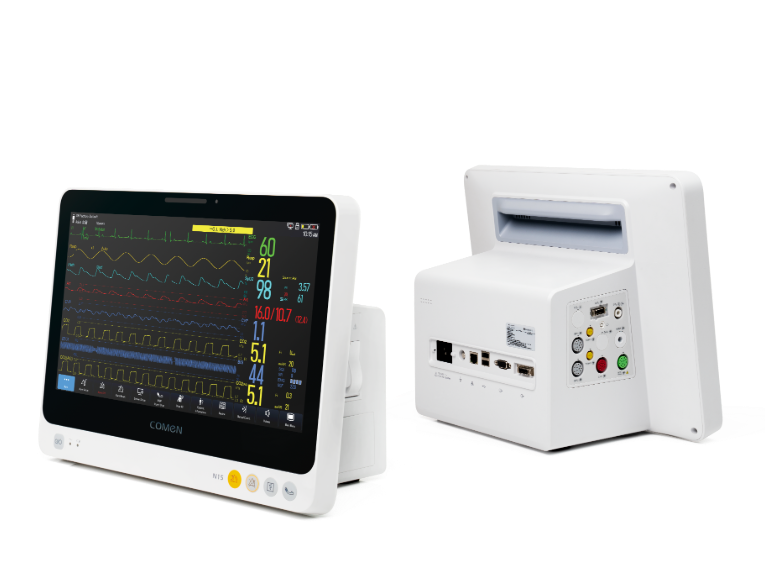
Shift forward with me: as a buyer I stopped chasing flashy specs and started buying predictability. Technical choices matter—sample rates, digital filtering, and user-level profiles can make or break bedside use. A modern multiparameter monitor should expose configuration options that match your clinical pathways and allow remote profile deployment (so you don’t tweak each unit by hand).
What’s Next
I advise purchasers to require field-test data and to simulate workflows before signing large orders. Ask vendors for baseline alarm statistics from a comparable facility and insist on a pilot (we did one in November 2020 at a suburban ambulatory center—result: 22% fewer nurse interruptions within two weeks). Include ECG waveform quality checks and SpO2 performance under motion conditions in your acceptance criteria. Short list those that let you lock profiles for different departments—ICU, med-surg, pediatrics—and push updates centrally. Interruptions happen. We learned to plan for them.
Three pragmatic metrics I use when evaluating monitors: baseline actionable-alarm reduction (measure after a two-week pilot), configurability score (how many parameters you can lock and deploy), and remote-management latency (time to push a profile across 50 units). Keep it simple. Keep it measurable. These are the criteria that saved one rural network I worked with both time and overtime costs. For vendors that consistently meet them, I now look to partners like COMEN when scaling deployments—because at scale, the details matter.