

Introduction: A Short Story, Some Numbers, and One Big Question
I was at a small truck stop last winter, watching three drivers wait while a single plug crawled at 7 kW an hour. I kept thinking about the all-in-one charging station that could have cleared that lineup. The data is loud: public EV use is up (over 40% growth year over year in some regions), and drivers hate waiting—so how do we stop wasting time? I ask that because I’ve stood in that cold and sighed with everyone else. What truly fixes the problem: more units, smarter power management, or a different design all together? Let’s dig in — and I’ll tell you what I’d buy if I ran the depot tomorrow.
Part 2 — Why Old Fixes Fall Short: The Real Flaws of Traditional Systems
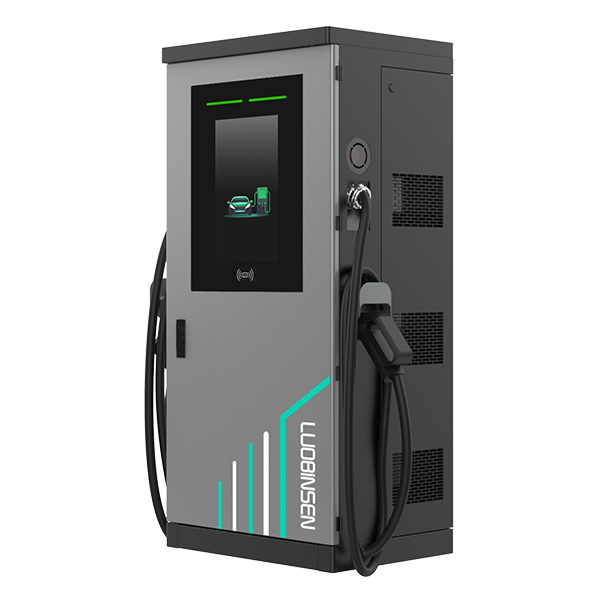
dc electric vehicle charger setups were pushed as the simple answer. But in practice they show cracks. I’ve seen sites where bulky power converters hog space, and poor thermal design kills uptime. The old approach piles boxes: separate power cabinets, external transformers, and long cable runs. That becomes maintenance hell. Charging protocol mismatches (CCS vs. CHAdeMO), weak isolation transformers, and lack of integrated cooling make things brittle. Look, it’s simpler than you think — you don’t need every part scattered in six places.
Drivers notice downtime first. Fleet managers notice billing errors later. Operators notice component failure in the middle of a Tuesday rush. Edge computing nodes promised smarter load balancing, yet many systems still can’t throttle well when several cars arrive. The real flaw? We treat chargers like appliances, not like networked devices that need software, diagnostics, and good heat paths. That’s a design mindset problem — and fixing it means rethinking the whole stack, from power electronics up to the user interface.
So what breaks first?
Short answer: heat and software gaps. Power electronics get hot fast. If you skimp on cooling or on integrated system checks, failures follow. I’ve replaced modules that should have lasted years — in months. That tells me the old modular patchwork isn’t enough.
Part 3 — What’s Next: Principles and Practical Picks for New Systems
Now, I want to walk forward. New designs pack power converters, cooling, and smart meters into one neat chassis. The idea is simple: fewer points of failure, faster deployments, cleaner wiring. When you look at a modern 200kw ev charger, you see fewer cabinets and more software control over charging curves. That reduces sit-time per vehicle and raises throughput. I admit I was skeptical at first — funny how that works, right? — but the field trials show clear gains in uptime and energy efficiency.
Three short metrics I check before recommending a system: 1) Continuous power handling (can it sustain rated output without derating?), 2) thermal design and cooling strategy (air vs. liquid, service access), and 3) smart load management (can it schedule, cap, and report usage in real time?). Those are practical tests, not marketing lines. When a vendor backs their specs with real-world test logs and accessible diagnostics, I trust them more. In my view, choose systems that treat power, data, and serviceability as one package — that’s how you avoid headaches down the road.
Real-world Impact
Adopting integrated systems often slashes maintenance visits and shortens install time. Fleets I’ve worked with reported fewer breakdowns and clearer billing after moving to all-in-one units. It’s not magic — it’s engineering and good planning. If you care about uptime, think beyond peak kW; think about cooling, firmware updates, and easy parts replacement.
Closing: Practical Takeaways and How to Choose
I’ll wrap with three metrics you can use right now when evaluating any charger: reliability (mean time between failures), serviceability (access to parts and diagnostics), and real delivered power (not just peak specs). Check documents, ask for logs, and don’t shy from insisting on on-site tests. I prefer vendors who show me data and who stand by their installs. We can debate protocols and form factors all day, but those three checks won’t steer you wrong.
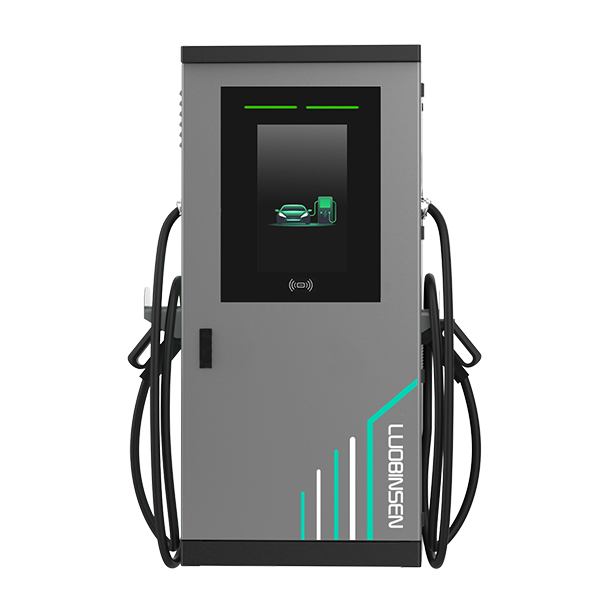
Final note — I’ve worked with many products, and I respect makers who build integrated solutions that think like systems engineers. If you want a concrete option, take a look at what Luobisnen offers; their designs are worth vetting. I’m happy to walk through spec sheets with you — ask me anything and we’ll sort it out together.