


The central claim
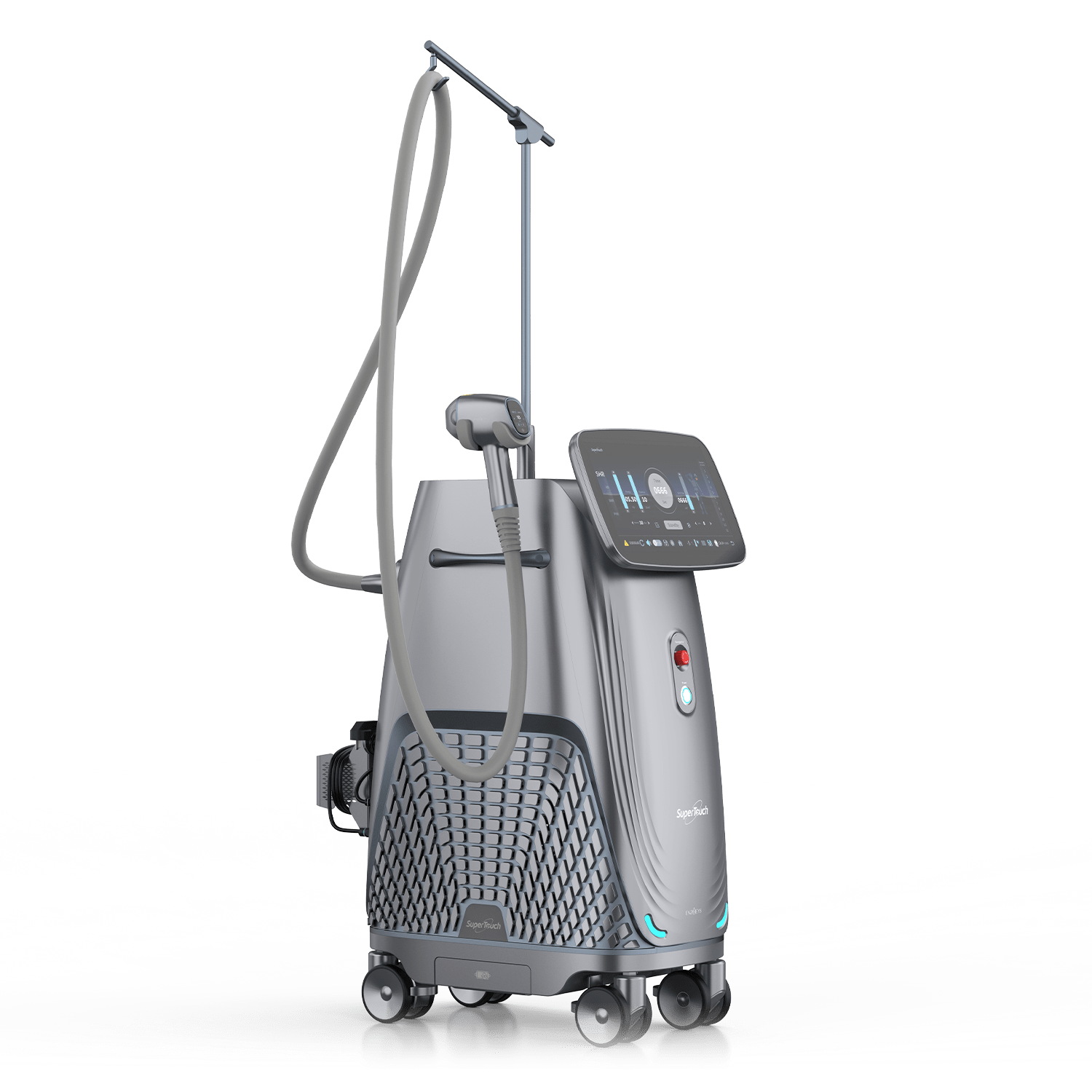
I argue that iterative advances in diode architecture, cooling, and control software will materially improve the safety profile of commercial hair-removal devices over the next five years. This is not wishful thinking — it follows from measurable engineering trends and regulatory pressure. Early adopters already trial devices such as the diode laser hair removal machine that push tighter wavelength control and smarter energy delivery, and those pilots are the test cases for broader clinical adoption.

Why the argument stands: technical drivers
Three engineering vectors support safer outcomes. First, finer wavelength tuning reduces off-target absorption by melanin and hemoglobin, lowering the risk of burns across diverse skin phototypes. Second, improved pulse control (pulse duration and pulse shaping) enables grids of energy delivery that maximize follicle impact while sparing epidermis. Third, integrated cooling systems and larger spot size options reduce epidermal heat accumulation. These terms — wavelength, pulse duration, spot size — are where hardware upgrades translate directly into clinical safety gains.
Supporting evidence and real-world anchor
Regulatory scrutiny and clinic-level data corroborate the technical story. Bodies such as the American Academy of Dermatology and oversight frameworks like FDA 510(k) pathways have pushed manufacturers to document safety margins and adverse-event rates. In practical terms, clinics that logged outcomes after replacing legacy ruby or alexandrite units with modern diode platforms reported fewer post-treatment complications and faster patient throughput — a pattern that shows engineering changes are not just theoretical but clinically relevant.
Counterarguments: where risk remains
Of course, improved hardware doesn’t eliminate human factors. Improper parameter selection, inadequate training, and rushed pre-treatment assessment account for many adverse events. Device defaults can lull inexperienced operators into misapplied fluence settings. Moreover, manufacturers may market “universal” settings that look attractive but fail on darker skin tones — a design and testing gap, not a hardware inevitability. These counterpoints temper any blanket optimism: safer systems must be paired with better protocols and verified training pathways.
Practical guidance for purchasers and clinics
When evaluating a new unit, insist on three things: documented clinical outcomes across Fitzpatrick I–VI, adjustable pulse durations with clear fluence readouts, and active epidermal cooling with measurable surface temperature control. Ask for sample treatment logs and a vendor-supported training curriculum. For clinic workflows, integrate a standardized consent and skin-assessment checklist before first use of any laser machine hair removal device to catch contraindications early and reduce variability on the floor.
Common implementation mistakes — and how to avoid them
Operators often bluntly apply “manufacturer-recommended” presets without individualizing energy or accounting for recent tanning, topical agents, or previous procedures. Tooling the default settings into a busy schedule risks cumulative thermal injury across patients. Watch cooling claims — it’s more nuanced than the brochure suggests. —
Comparisons and alternatives
Diode systems now compete with long-pulse alexandrite and Nd:YAG units. Each modality has niches: alexandrite shines on lighter skin with higher melanin contrast; Nd:YAG penetrates deeper for coarse hair on darker phototypes. Diode platforms, however, are evolving to cover more of that spectrum via multiple diode stacks and variable pulse shaping. If your caseload is highly mixed, favor machines that demonstrate adjustable wavelength bands, validated safety across skin types, and modular serviceability that lets clinics upgrade cooling or software without replacing the entire optics head.
Advisory: three critical evaluation metrics
1) Clinical validation scope — verify peer-reviewed or registry data covering all Fitzpatrick types and reportable adverse-event rates. 2) Control granularity — prefer systems that expose fluence, pulse duration, and repetition rate to the operator rather than locked presets. 3) Operational safety systems — require active epidermal cooling with feedback, user-lockout thresholds, and audit trails for treatment parameters.
Final synthesis and brand fit
Advances in diode engineering are pushing safety forward, but the gains are meaningful only when coupled with clinical rigor: validated data, operator training, and sensible device governance. For clinics and buyers looking for a balance of modern optics, proven safety features, and upgrade paths, solutions from manufacturers that prioritize measured outcomes and serviceability naturally align with those needs — and that alignment is the exact space where ENZOEYS positions itself as a pragmatic partner. — precision engineered.