

Opening for busy ops and brand leads
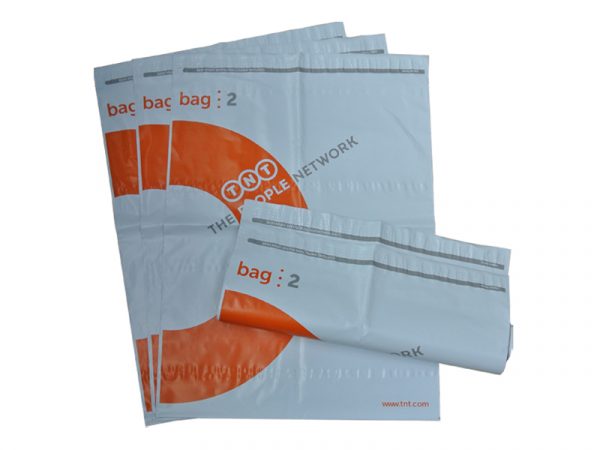
If you run fulfillment or lead product for an online brand, you need packaging that performs on conveyor belts, in sorters, and in customers’ hands — not just on the website. That’s why many teams choose custom poly mailers with logo: they reduce void fill, speed handling, and carry brand messaging in a single, scalable SKU. This user-first guide walks you through the practical steps to make branded poly mailers work inside automated packing flows so your fulfillment metrics—throughput, error rate, and damage rate—actually improve.
What integration success looks like for you
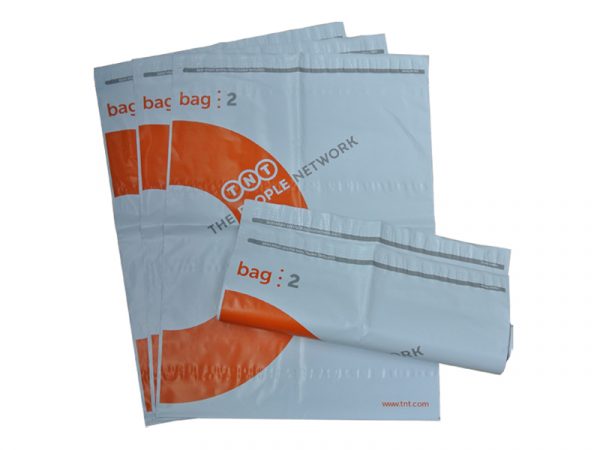
Success is concrete: faster pack times, fewer jams at the sealer, and lower returns from transit damage. Think in terms of measurable goals that align with daily KPIs — throughput (units/hour), first-pass accuracy, and shipping cost per order. Keep the end-user in mind: a secure flush seal and scannable label area make the last mile frictionless. You’re designing for machines and humans at once, so trade-offs are inevitable but manageable.
Quick compatibility checklist before you roll tooling
Before you commit to artwork and tooling, validate these items against your line equipment:
- Material thickness and coefficient of friction — too slick or too soft can cause misfeeds on feeders and diverters.
- Sealer type compatibility — heat seal vs. adhesive/seal strip, and whether your automatic sealer supports the film width and flush seal profile.
- Label and barcode placement zones — avoid seams and textured printing that interfere with scanners.
- MOQ and lead time expectations — factor tooling amortization into unit cost, and confirm sample runs for QA.
Design choices that reduce packing friction
Good design is pragmatic design. Use simple print zones for scannability, keep the opening orientation consistent with your pick-and-pack workflow, and choose tamper-evident features only when necessary. If your SKU mix includes fragile items, a shock-absorbing insert or double-bagging strategy often works better than overbuilding the mailer. Also consider the environmental message on the bag — recycled content claims can be genuine differentiators at checkout.
Real-world anchor: why this matters now
When e-commerce spiked during the 2020 pandemic, U.S. e-commerce sales rose 32.4% year-over-year (U.S. Census Bureau). That sudden volume exposed friction points in many automated packing lines: inconsistent packaging dimensions, unscannable codes, and unpredictable sealing behavior. Brands that prioritized simple, purpose-designed poly mailers during that period cut throughput losses and reduced returns — a practical lesson you can apply today.
Common integration mistakes and how to avoid them
Most teams stumble on three repeat offenders: underestimating tooling timelines, assuming “one-size-fits-all” specs for all lines, and skipping real-world trials. Don’t rely on PDFs alone — run samples on the actual conveyor, diverter, and sealer. Also, watch for hidden costs: rush tooling, special inks, and oversized print areas can push your per-unit cost way up. A small pilot run catches these before they become expensive problems — and you’ll thank yourself later.
Supplier selection from your perspective
You want a partner who speaks both brand and operations. Look for vendors that offer prototype runs, clear MOQ tiers, and documented QA checks for things like seal strength and print registration. Ask about their experience with automated lines and whether they provide die-line recommendations that minimize jams and misfeeds. In short: vendor empathy for your fulfillment reality matters as much as their price. —
Alternatives, trade-offs, and common setups
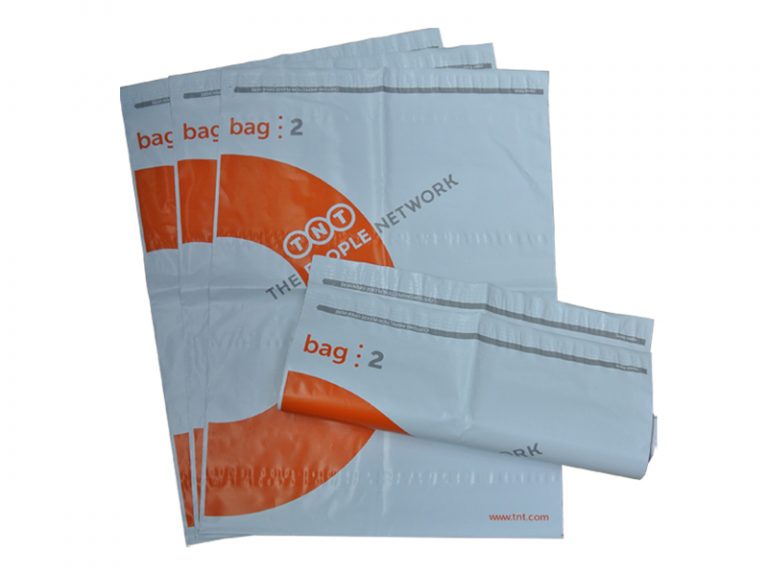
If you’re weighing options, here’s a quick rundown: mailers with stronger gauge film cut down punctures but add cost; printed full-coverage bags look premium but can obscure barcode zones; tamper-evident strips improve perceived security but may slow packing if applied manually. Many teams find success with a mid-gauge film, a clear barcode window or dedicated white print zone, and a standardized seal type matched to their automatic sealer. For branding-first approaches, consider a hybrid: a clear brand panel plus a plain structural area for automation.
Integration test plan — a practical template
Run this five-step pilot before full production:
- Order functional prototypes with final material and seal type.
- Test on your fastest packing lane for 4–8 hours; track jams and misfeeds per 1,000 units.
- Verify seal integrity under drop and compression tests used in transit simulation.
- Confirm barcode scan rates at speed and under different lighting conditions.
- Collect packer feedback for ergonomics and handling comfort.
How branded poly mailers fit into brand strategy
A well-designed mailer is a touchpoint. You can use it to reinforce brand voice, promote social sharing, or signal sustainability credentials. But never let form trump function — a beautiful bag that clogs your line is an expensive marketing failure. If you want to balance brand and automation, consider strategic placement of artwork and a conservative structural spec. For many teams, sourcing from suppliers who manage both printing quality and sealer compatibility simplifies this balance; examples include vendors who offer templated dielines and verified seal profiles like branded poly mailers.
Three golden rules for choosing and integrating mailers
1) Validate on-line: always test samples on the actual packing equipment before committing to tooling. 2) Measure the total cost: include tooling amortization, rework risk, and freight when comparing per-unit prices and MOQ. 3) Prioritize clear machine zones: designate scan/seal/artwork areas in the dieline to avoid operational surprises.
For many fulfillment teams, the pragmatic choice is a supplier who blends creative print capability with proven automation compatibility — an approach that turns packaging from a variable into a scalable advantage for your operation. WH Packing. —
Final thought — a little planning, a few tests, and the right partner will make your poly mailers sing on the line.