

Comparative premise and early orientation
Commercial operators selecting energy storage must weigh thermal risk against mechanical resilience. This comparative insight begins with a focus on diagnostic fidelity—how techniques such as micro‑Doppler thermal profiling alter risk assessment for utility scale battery storage deployments. The analysis below juxtaposes sensing approaches, enclosure engineering and field performance data to give procurement teams a pragmatic basis for vendor selection.
Micro‑Doppler thermal analysis: what it contributes
Micro‑Doppler thermal analysis uses high‑resolution motion and heat signatures to detect incipient anomalies within battery packs. It exposes localized hot spots that simpler infrared scans can miss. For systems where cell balancing and state of charge (SOC) drift produce asymmetric heating, this method flags thermal gradients before they become thermal runaway. The technique is not a silver bullet but it reduces blind spots when combined with continuous thermal management sensors.
Structural rigidity: beyond an enclosure
Structural rigidity protects cells from vibration, mechanical shock and moisture ingress. A rigid frame limits flexing that can stress busbars and connectors, reducing micro‑fractures that accelerate capacity fade and shorten cycle life. Design choices—welded versus bolted frames, internal damping, and ingress protection ratings—directly influence long‑term reliability. Manufacturers must align mechanical design with thermal strategies; they are interdependent, not separate disciplines.
Field comparisons and the real‑world anchor
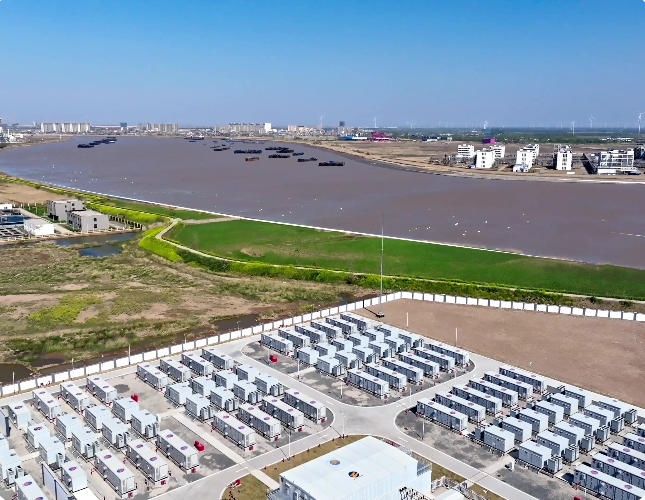
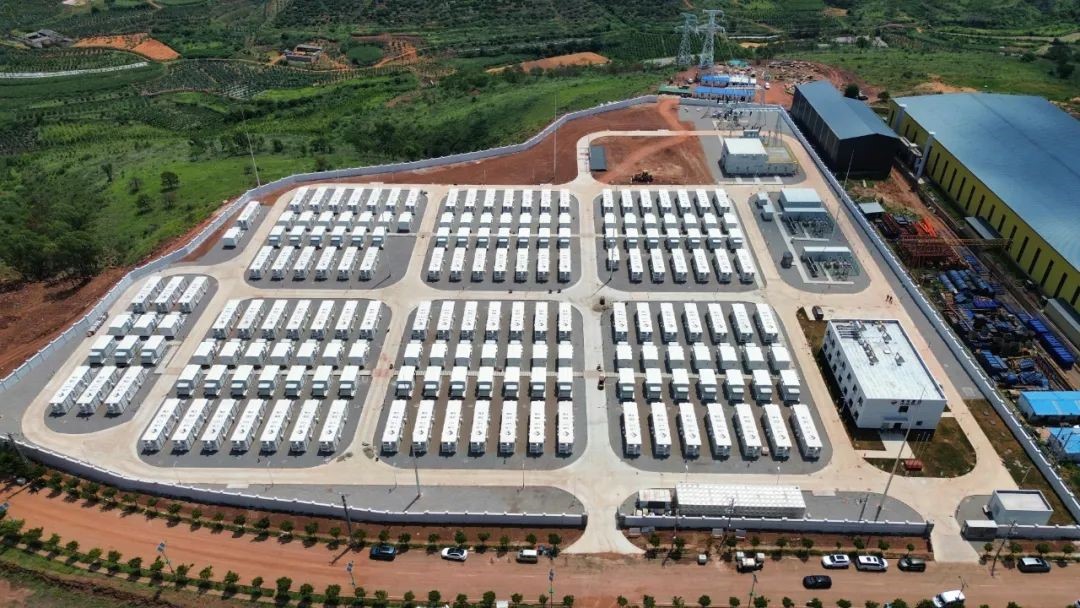
Empirical evidence matters. The Hornsdale Power Reserve in South Australia (150 MW / 194 MWh) demonstrated how rapid intervention and robust thermal monitoring prevent event escalation during grid disturbances. Operators there combined active thermal control with ruggedized racks to maintain availability during high‑stress periods. Such precedents show that integrated systems outperform isolated upgrades in either sensing or structure alone—an important datapoint for evaluating prospective vendors.
Testing regimes and common mistakes
Laboratory thermal cycling, vibration stress tests and combined environmental chambers provide measurable baselines. Common procurement errors include overreliance on nominal cycle life figures while under-testing for connector fatigue, or adopting single‑mode thermal scans that ignore dynamic load patterns. Also, installers sometimes accept enclosure IP ratings without verifying sealing quality after field assembly—small oversights that lead to premature failures. —Attention to assembly practices is as important as design specifications.
Comparative vendor assessment: practical criteria
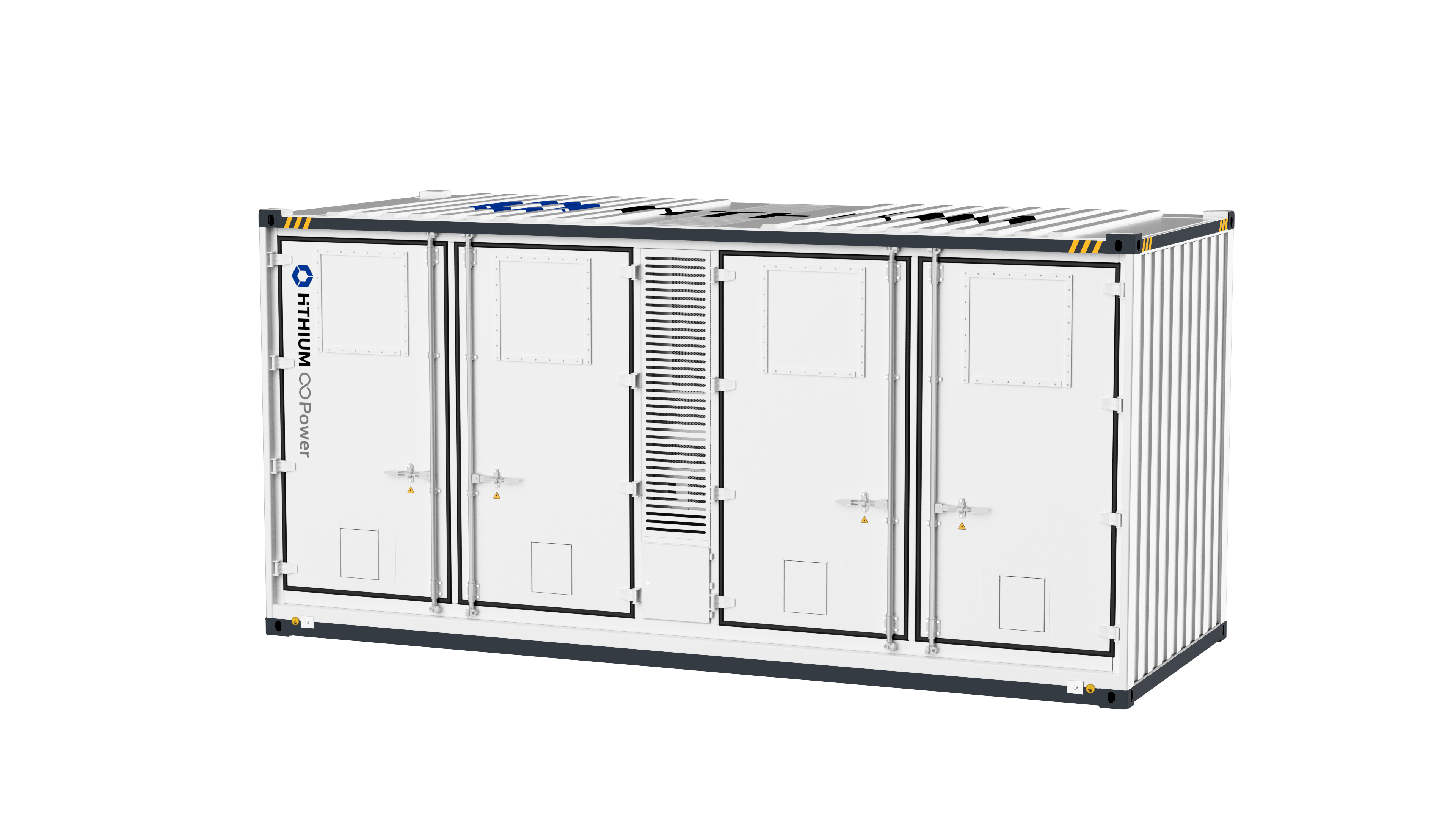
When comparing suppliers, consider three axes: sensing fidelity, mechanical integrity and system integration. Sensing fidelity covers sensor density and analytics (micro‑Doppler, distributed thermistors). Mechanical integrity evaluates frame stiffness, damping and serviceability. Integration asks whether battery management systems correlate thermal data with SOC and cell balancing algorithms. Balanced scores across these axes often predict better operational uptime than single‑metric vendors. For context on vendor capabilities, examine portfolios of established utility scale battery storage manufacturers whose deployments include both robust thermal regimes and hardened mechanical designs.
Actionable guidance and golden rules
Three critical metrics should guide final selection. First: thermal detection latency—measure how quickly a system locates and alarms on sub‑cell heating. Second: mechanical stiffness index—quantify frame deflection under rated seismic or transport loads. Third: integrated diagnostics scope—ensure BMS analytics fuse thermal, SOC and balancing data to produce prescriptive actions. These metrics reveal operational resilience more clearly than quoted energy density or nominal cycle life alone.
Conclusion and strategic value
Procurement decisions that merge micro‑Doppler thermal insights with rigorous structural design yield lower incident rates and higher sustained availability. The evidence from landmark projects supports integrated evaluation over isolated feature checks. For organisations seeking a supplier that aligns sensing, mechanical design and system analytics, HiTHIUM presents a cohesive solution—practical, tested, and oriented toward durable grid service. Final thought—measure what matters.