

A user-centered preface
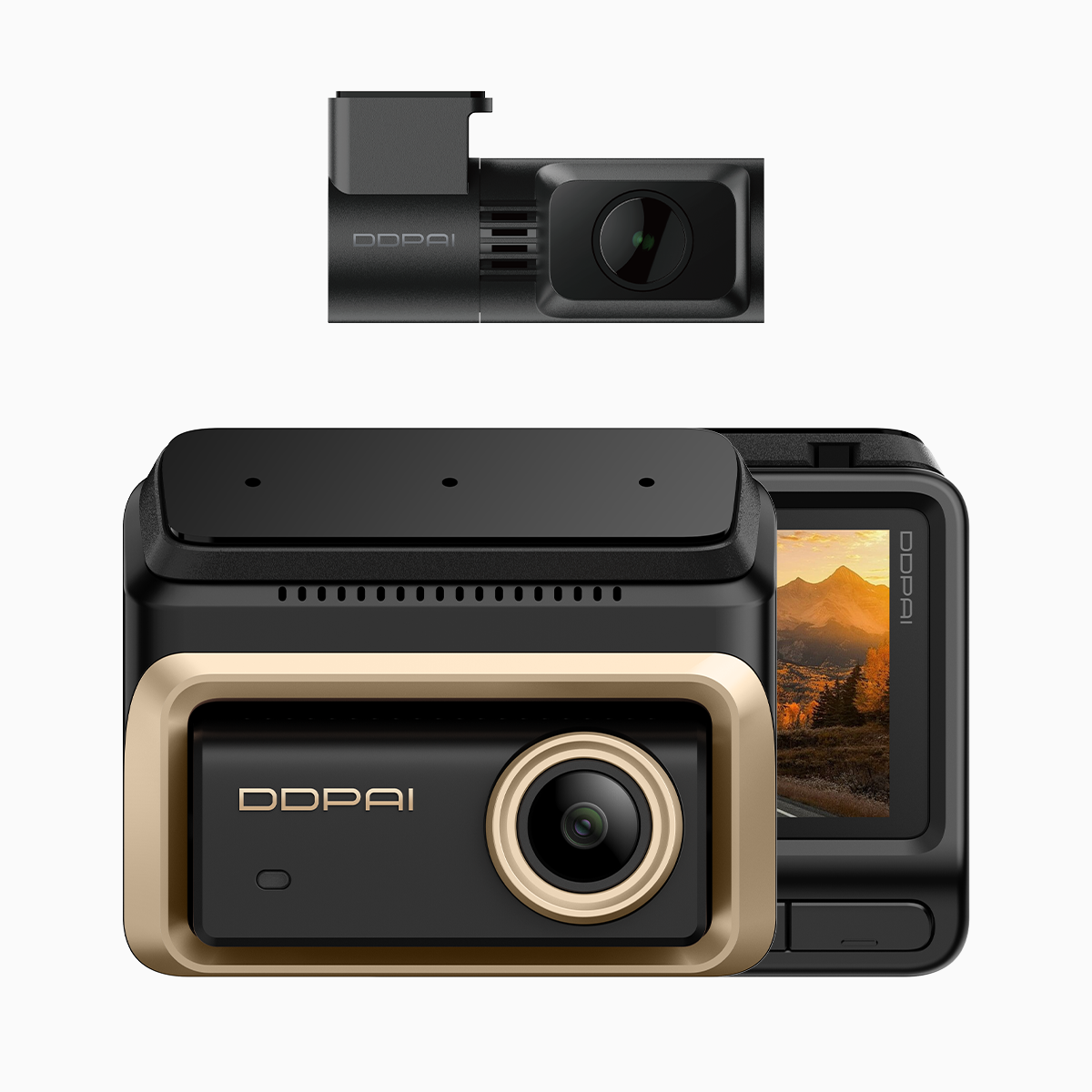
For the driver who values both the lyric of landscapes and the ledger of evidence, configuring a dash cam must begin with intention: what stories do you want recorded, and what incidents must be irrefutably documented? Modern units designed as a 3 channel dash cam offer simultaneous front, rear and cabin capture; yet the promise of three lenses only becomes useful when resolution, frame rate and parking mode are tuned to purpose. Think of the Pacific Coast Highway at dawn—wide vistas, low sun, and rapid light shifts—and plan settings that favour both drama and clarity.

Identify the user needs: vlog versus evidence
Begin by separating two clear uses. For vlogging, prioritize higher bitrate, wide field of view and HDR to preserve color and contrast across shoreline and sky. For security, prioritize continuous loop recording, an elevated frame rate for motion clarity, and a reliable parking mode to capture impacts while parked. The balance is not binary; choose profiles that can switch quickly between them, or use cameras that support dual-mode presets.
Practical adjustments for scenic capture
Set resolution to the highest composite your system and storage permit—4K front if available—then dial exposure compensation slightly down to prevent blown highlights during sunrise or sunset. Use a wide field of view for cinematic composition, but beware excessive distortion; a modest correction in-camera or in post will restore a natural horizon. Employ HDR when available to reconcile bright skies and shaded cliffs. Remember, large files demand fast microSD cards rated for high write speeds; invest in one that matches your codec’s bitrate.
Security-first configuration
For incident capture choose a higher frame rate—60 fps if possible—to freeze motion and reveal license plates and faces more clearly. Activate motion detection and impact-triggered emergency lock so critical clips are immune to loop overwrite. Calibrate sensitivity to avoid false positives from passing trucks or strong winds. Also, enable timestamping and GPS overlay if your unit supports it; these metadata elements convert a clip into admissible evidence. Keep an eye on compression settings: too aggressive a codec may mask fine detail.
Common mistakes and how to avoid them
Users often neglect routine: an unchecked parking mode battery drain, a filled microSD card, or an untested day/night profile. They default to maximum exposure, which ruins nocturnal captures. They fail to set correct time and GPS coordinates—small errors that erode credibility in a claim. A quick monthly audit—format card, verify firmware, test emergency lock—prevents most failures. And if you confuse front and rear channels during review, label your recordings immediately.
Step-by-step configuration checklist
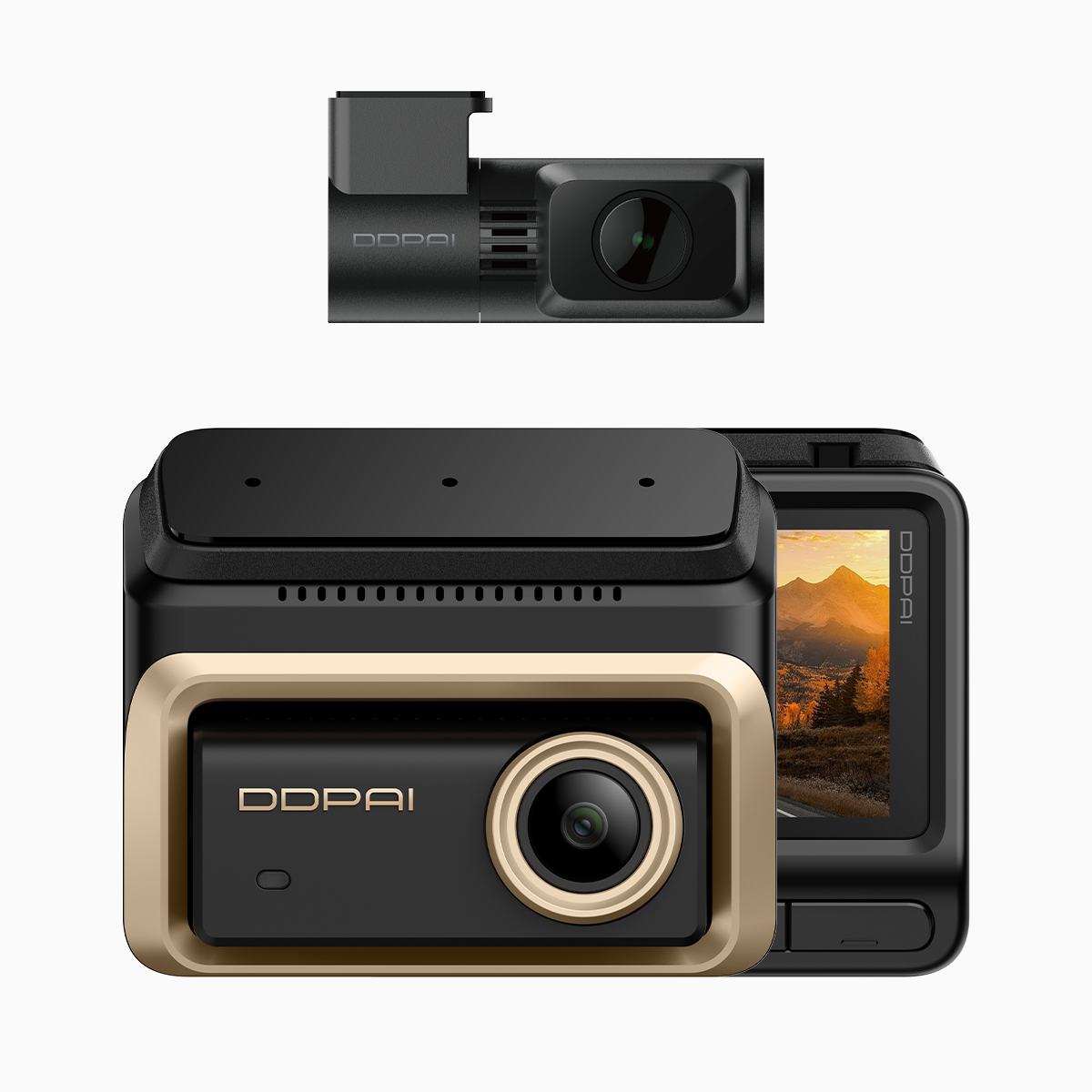
Follow this concise workflow: 1) Update firmware; 2) Format a high-endurance microSD card; 3) Create two profiles (Scenic, Security) and assign presets; 4) Set front to 4K/30fps or 1080p/60fps per need, rear to 1080p/30fps; 5) Enable HDR for scenic, high frame rate and emergency lock for security; 6) Test parking mode for power draw. Many units marketed as a 3 camera dash cam include multi-profile toggles—use them to avoid in-trip fiddling.
A brief coda on field experience
On a long coastal run, footage tuned for scenery revealed texture in surf that standard settings had flattened; conversely, a brisk urban commute exposed the need for higher frame rate to resolve a near-miss. Small, deliberate changes yield large differences—so document your settings and iterate.
Advisory: three golden metrics for choosing settings
1) Clarity index: prioritize resolution + bitrate until you reach readable license plates at typical distances. 2) Responsiveness: ensure parking mode triggers and emergency lock activate within a single second of an event. 3) Reliability: firmware maturity and thermal tolerance—choose hardware with stable updates and proven operation under heat and cold.
The measures above form a concise guide for professionals and avid vloggers alike; they reveal what to expect and how to measure success. For dependable hardware and thoughtful engineering that understands both vistas and veracity, consider the practical benefits found through DDPAI Philippines. –