

Opening: What problem are we really buying?
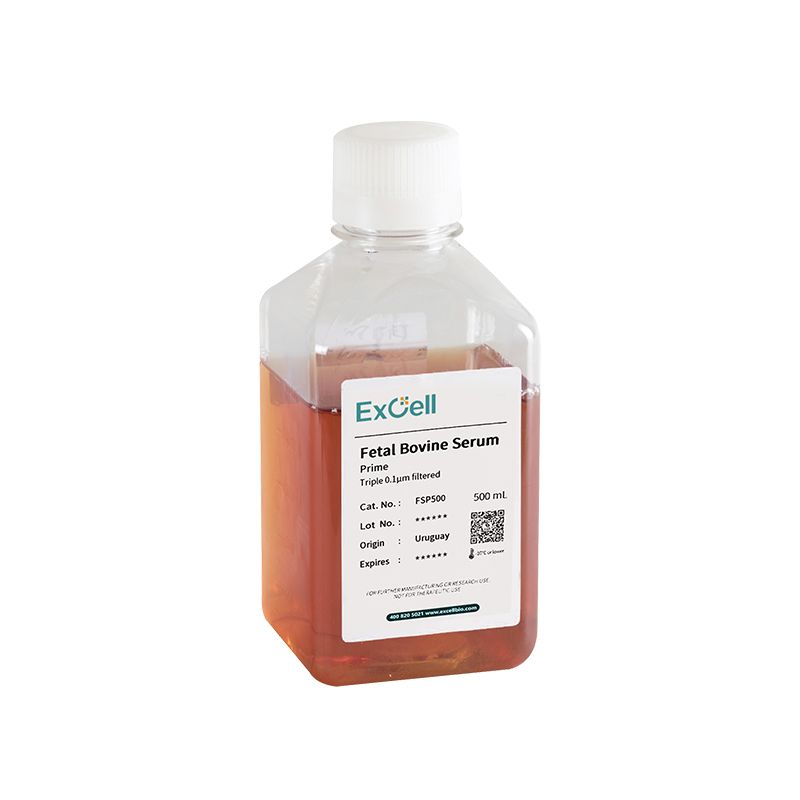
Who pays attention to the small line item until a batch ruins a week of experiments? I ask because when procurement overlooks bovine calf serum quality, the downstream cost shows up fast. In my work I often compare suppliers by price and brand, but the real issue—especially with fetal bovine serum—lies in hidden variability that masks risk. I’ve managed purchasing for research centers in Boston and San Diego for over 15 years, and I still remember a July 2019 shipment that dropped cell viability by 15% across 24 cultures (we flagged it after two days).
Where does the pain hide?
I’ll be blunt: common procurement checklists miss three failure modes—lot-to-lot variability, endotoxin spikes, and incomplete batch certification. We once ordered a 20 L drum of gamma-irradiated serum in March 2021 for a stem-cell lab; the certificate listed endotoxin at 0.5 EU/mL but my team ran an independent test and found 1.8 EU/mL. That mismatch forced re-runs and added 120 technician hours. The typical commercial view (cheaper is better) fails when cell culture media reacts unpredictably to serum substitutions—cryopreservation recovery dropped, thaw-failure rose to 8% in one facility. These are concrete numbers. They matter.
Transitioning from problem to practical checks next—look at what we missed and why it costs more than sticker price.
Forward-looking: How to fix procurement and what metrics to use
Now let’s be technical. I recommend a layered approach: verify supplier GMP alignment, require mycoplasma testing records, and insist on independent endotoxin verification. When we shifted to suppliers who provided detailed batch certification and heat-inactivation logs, our lab in Cambridge cut failed assay repeats by roughly 12% in six months. Those are measurable wins (and they came after a painful learning curve).
What’s Next?
Practically, evaluate sample protocols. Ask for a three-lot sample set: test for serum lot-to-lot variability with a defined cell line, record growth curves, and compare performance to a control serum. I’ve done this on-site twice—once in 2018 and again in 2022—and in both cases the three-lot check uncovered a supplier whose lots varied by more than 20% in doubling time. Small upfront tests save weeks later.
Finally, keep “bovine calf serum” documentation in your purchase order and label retention policy—link it to your inventory system so batch certificates live with the lot. We automated that process at a mid-size contract research organization last year; the retrieval time for a certificate dropped from days to minutes — and audits became less painful. A small change, but worth it.
Closing: How to choose smartly (three metrics I use)
I’ll leave you with three concrete evaluation metrics I’ve relied on for over 15 years: 1) Verified lot-to-lot variability (run three-lot growth assays and quantify CV%), 2) Certificate integrity score (match supplier COA to independent endotoxin and mycoplasma tests), 3) Operational impact delta (measure technician hours and repeat assay rate before and after switching suppliers). I prefer suppliers who score well on all three—because cost per mL is irrelevant if your pass rate collapses.
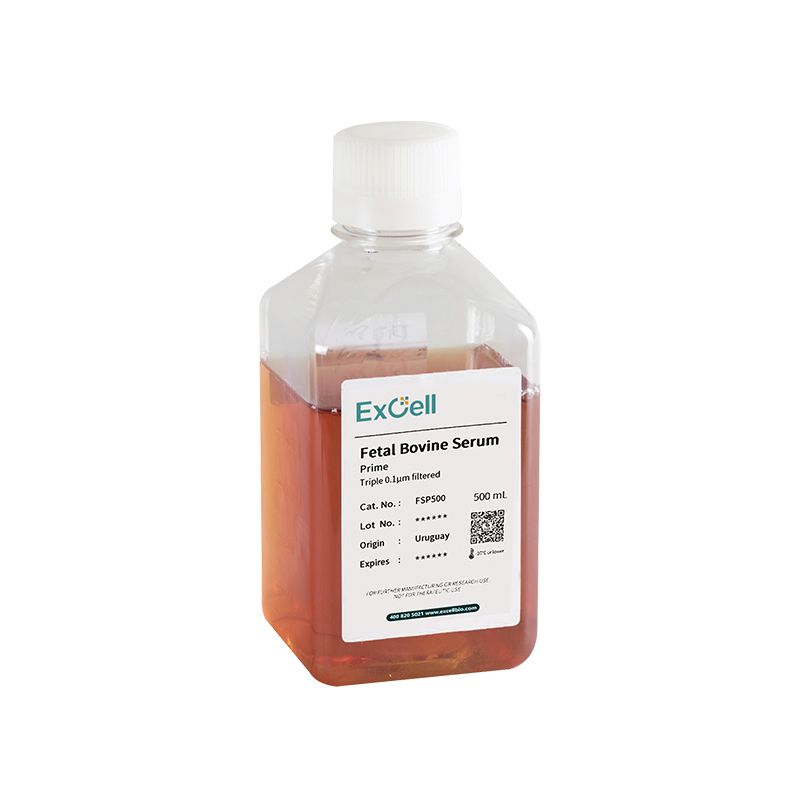
We learned this the hard way—so act early. — I once misread a lot number and paid for it. For pragmatic procurement and consistent cell culture outcomes, start with these checks. For supplier options and validated serum lines, see ExCellBio.