

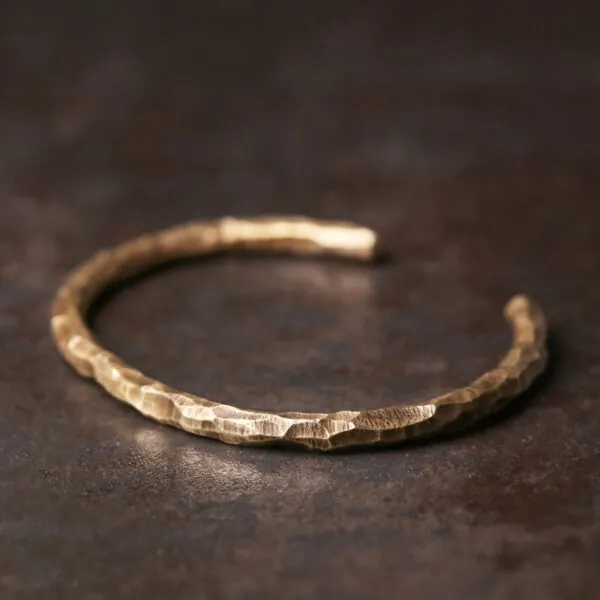
Introduction: Unveiling the Mysteries Behind Jewelry Casting
Have you ever gazed at a breathtaking piece of jewelry and wondered about its journey? Behind each exquisite design lies the intricate process of jewelry casting, a technique as old as time itself. According to industry reports, the demand for jewelry casting services continues to surge, catalyzing economic growth and innovation. But what drives these prolific techniques? Intrigued by the veneer of perfection, one might ponder the flaws inherent in traditional methods. The compelling dialogue of craftsmanship invites us to question the very principles that uphold this fascinating industry. Transitioning into the crux of our discussion, let’s venture beyond the perceived accuracies.
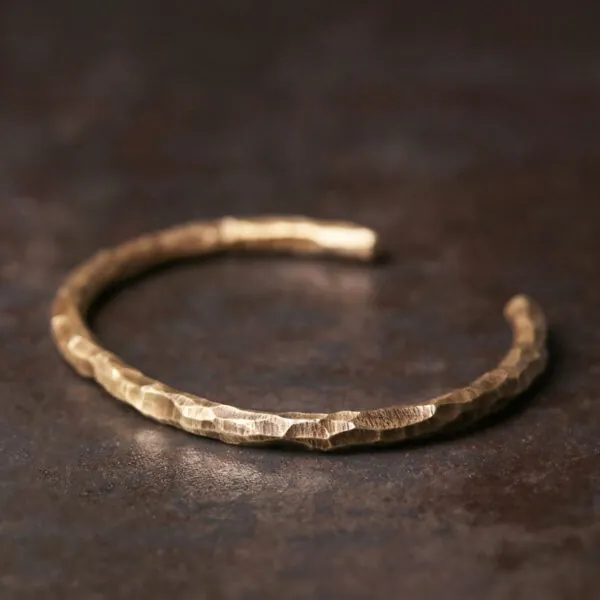
Exploring the Perils of Traditional Jewelry Casting
Why Rely on Old-School Techniques?
While traditional methods of jewelry casting have long been celebrated for their timeless appeal, they often harbor hidden inefficiencies. Look, it’s simpler than you think. Methods involving lost wax and mold-making—though revered—are prone to defects like porosity and surface irregularities. These discrepancies can compromise the structural integrity of fine jewelry. The reliance on manual power converters further exacerbates challenges, lining up painstaking hours with costly errors. Amidst these evolving demands, one might question the reliance on age-old techniques once deemed infallible. Yet, solutions are emerging that beckon optimism.
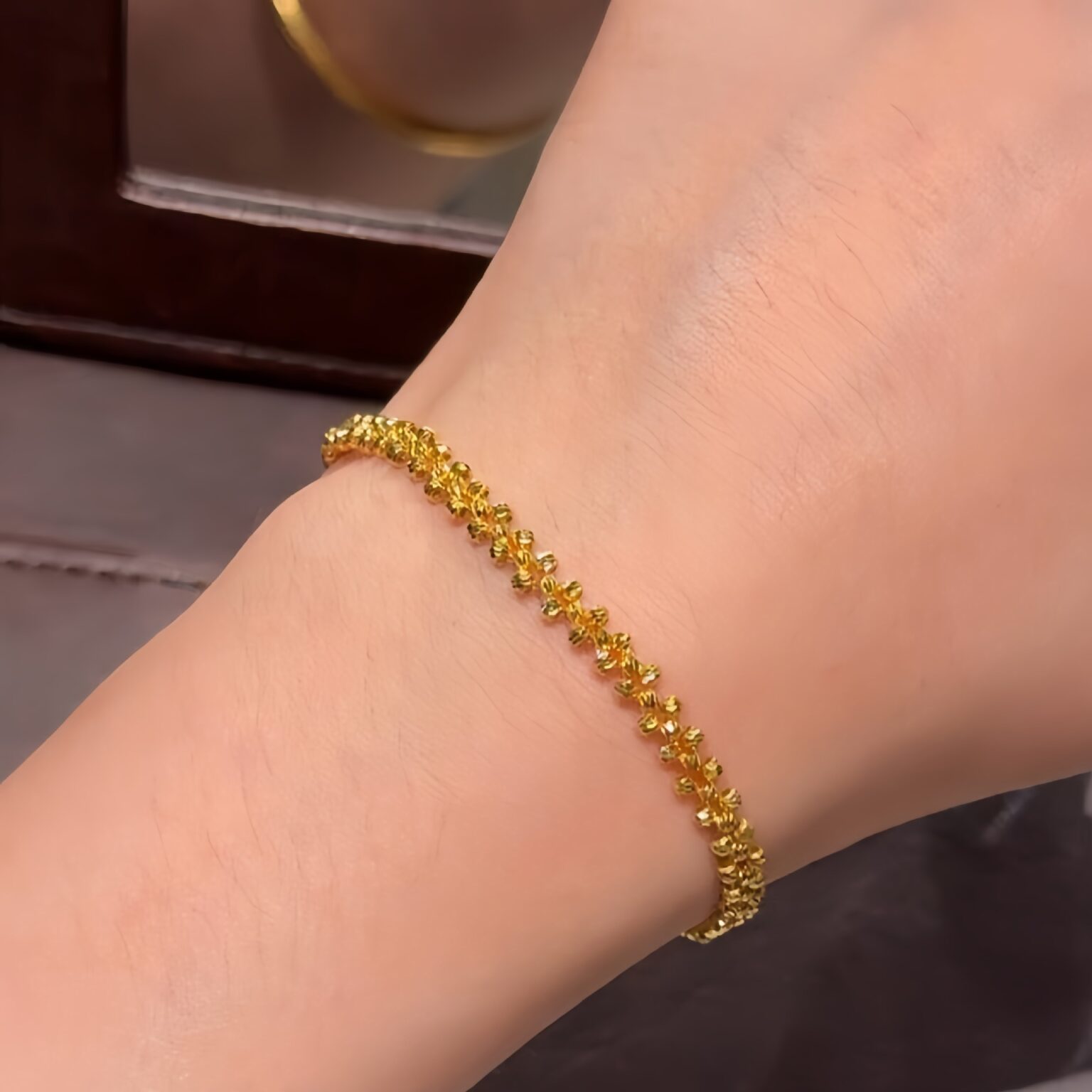
Envisioning the Future: The Shift Towards Technological Innovation
What’s Next for Jewelry Casting?
Emerging advances are redefining the standards of precision and efficiency in the sphere of jewelry casting. New technology principles—like 3D printing and computer-aided design (CAD)—have ushered a new era of possibilities. By incorporating edge computing nodes, companies can now seamlessly integrate design modifications with nimble precision. This evolution not only enhances the accuracy of casting but also optimizes resource utilization. Intriguingly, these methods present a competitive edge for jewelry casting services, transforming the future landscape. Without a doubt, adaptation becomes not just beneficial, but imperative.
The narrative of jewelry casting is continuously evolving—funny how that works, right? As we unravel the tapestry woven through tradition and technology, it’s crucial to reflect on the choices that shape our engagement with this artistic endeavor. Evaluating these metrics, one gleans insights into performance, product quality, and the growing footprint of innovation. For those navigating the industry’s shimmering horizons, the lessons are profound and enduring. Ultimately, companies like Star Harvest epitomize the dynamic bridge between heritage and avant-garde creativity. As we embrace these reflections, one thing remains clear: change is the only constant in the avant-garde world of jewelry craftsmanship.